


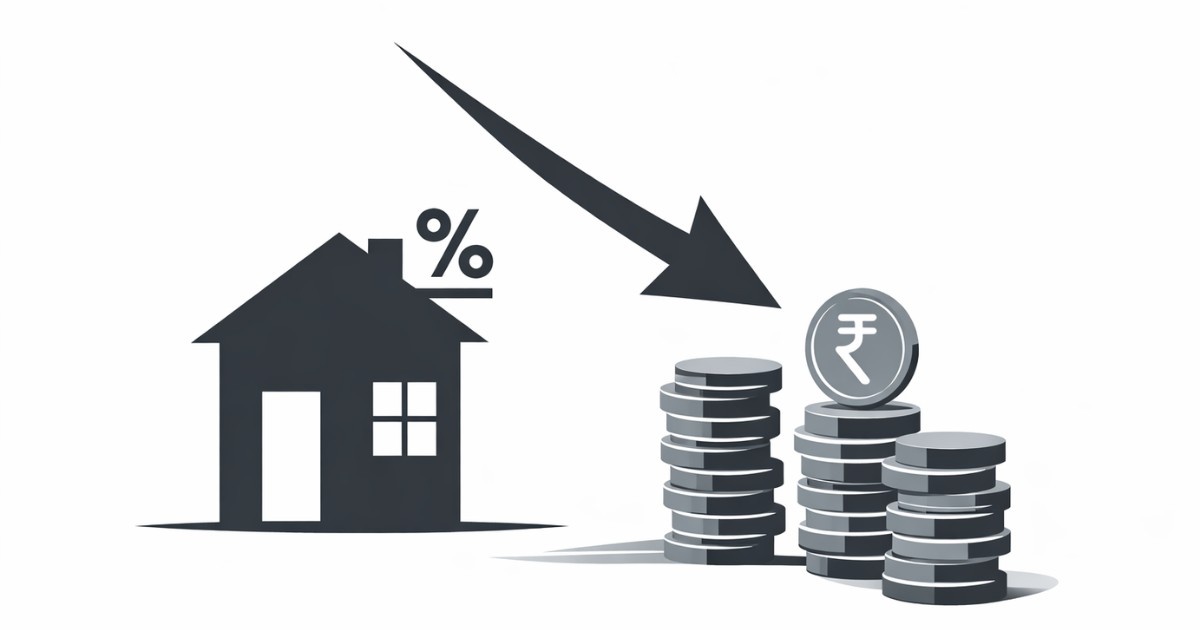
RBI loan rate update: The Reserve Bank of India (RBI) has decided to pause further loan rate hikes, offering relief to millions of borrowers across the country.
The move comes at a time when households and businesses have been closely watching interest rate trends. With EMIs rising over the past cycles, today’s decision matters for home loan customers, car buyers, and small business owners.
Here is a clear breakdown of what the RBI decision means for EMIs, savings accounts, fixed deposits, and future borrowers.
RBI Policy Decision: What Was Announced
On 12 February 2026, the RBI indicated that it will suspend further rate hikes for now.
This means the central bank is choosing to keep its key policy rate unchanged instead of increasing it again.
The key policy rate influences:
- Home loan interest rates
- Personal loan rates
- Auto loan EMIs
- Business borrowing costs
- Deposit rates
A pause does not mean rates will immediately fall. It means they will not increase further at this stage.
Why the RBI Paused Loan Rate Hikes
The RBI usually changes rates based on:
- Inflation trends
- Economic growth
- Global financial conditions
- Currency stability
When inflation rises sharply, the central bank increases rates to control spending.
When inflation stabilises or growth slows, the RBI may pause hikes to support economic activity.
A pause signals that the RBI believes current rates are adequate for now.
Impact on Home Loan EMIs
Will EMIs Reduce Immediately?
No.
A rate pause means your EMI is unlikely to increase further right now. However, it will not automatically decrease unless banks cut lending rates.
Borrowers with:
- Floating-rate home loans
- Repo-linked loans
- Adjustable-rate mortgages
will benefit the most from stability.
If rates had continued to rise, EMIs would have increased further. The pause protects borrowers from that immediate risk.
Example: How a Pause Helps Borrowers
If someone has a ₹40 lakh home loan at a floating rate, even a small rate hike can increase monthly EMIs.
By suspending further hikes:
- EMIs remain stable
- Loan tenure does not extend further
- Financial planning becomes easier
For many middle-class families, this brings relief.
Impact on Personal and Auto Loans
Personal loans and car loans are usually more sensitive to rate changes.
With the RBI pausing hikes:
- New borrowers may not see fresh increases in loan costs
- Existing floating-rate borrowers avoid further EMI hikes
- Car buyers planning purchases may get stability in loan offers
However, banks will decide final lending rates.
Impact on Fixed Deposits and Savings Accounts
Will FD Rates Fall Now?
Not immediately.
Banks had raised fixed deposit (FD) rates during previous rate hikes. With the pause:
- FD rates may stabilise
- New high-rate offers may reduce slowly
- Existing FDs remain unaffected until maturity
For senior citizens who depend on interest income, this decision provides short-term clarity.
Savings Account Interest
Savings account rates are unlikely to change quickly. Banks usually adjust them gradually.
The RBI pause creates a stable environment rather than sudden changes.
Impact on Business Borrowers
Small and medium enterprises (SMEs) rely heavily on bank loans.
Higher rates increase:
- Working capital costs
- Expansion expenses
- Loan servicing pressure
With rate hikes suspended:
- Borrowing costs may remain steady
- Expansion plans may continue
- Cash flow pressure may reduce
This can support overall business confidence.
Stock Market Reaction
Financial markets usually react quickly to RBI policy decisions.
When rate hikes pause:
- Banking stocks may stabilise
- Real estate stocks may see interest
- Consumer demand outlook may improve
Investors often view a pause as supportive for economic growth.
However, market movement depends on broader global factors as well.
What Should Borrowers Do Now?
1. Review Your Loan Type
Check if your loan is:
- Floating rate
- Fixed rate
- Repo-linked
Floating-rate borrowers benefit most from policy pauses.
2. Compare Bank Offers
Even if RBI pauses hikes, banks may offer competitive loan schemes to attract customers.
Consider:
- Balance transfer options
- Lower processing fees
- Special festive offers
3. Avoid Over-Borrowing
Stable rates do not mean unlimited borrowing.
Plan EMIs so they do not exceed 30–40% of monthly income.
What Could Happen Next?
A pause is not permanent.
The RBI may:
- Continue the pause in future meetings
- Cut rates if inflation drops sharply
- Resume hikes if inflation rises again
Borrowers should watch:
- Inflation data
- Future RBI policy announcements
- Global economic developments
The next policy review will be closely monitored.
Impact on Real Estate Sector
The real estate sector closely tracks RBI decisions.
Stable interest rates:
- Encourage homebuyers
- Support property demand
- Improve developer confidence
If rates remain unchanged for a longer period, housing sales may improve.
Impact on First-Time Buyers
Young professionals and first-time home buyers gain clarity from stable rates.
It helps them:
- Plan long-term EMIs
- Lock better deals
- Avoid sudden financial shocks
Financial planners often advise acting during stable rate cycles.
Does This Mean Loans Are Cheaper Now?
No.
Loans are not cheaper yet.
They are simply not becoming more expensive for now.
A rate cut would make loans cheaper. A pause only stops further increases.
Key Takeaways From RBI Loan Rate Pause
- No further rate hikes for now
- EMIs likely to remain stable
- No immediate reduction in loan rates
- FD rates may stabilise
- Business borrowing pressure may ease
The RBI’s move offers breathing space to borrowers and businesses.
Why This RBI Decision Matters Today
Millions of Indians are repaying home loans, car loans, and personal loans.
Each policy decision directly affects monthly budgets.
With living costs and inflation still a concern, stability in interest rates helps households manage expenses better.
The RBI’s pause sends a signal of cautious optimism. It suggests that the central bank is monitoring inflation while supporting growth.
Final Word
The RBI decision to suspend loan rate hikes provides temporary relief. It does not mean interest rates will fall immediately.
Borrowers should stay informed and plan carefully.
As economic conditions evolve, future policy changes may reshape the lending environment again.
For now, stability in EMIs is the key takeaway from 12 February 2026’s RBI policy update.
Stay updated for further announcements and financial developments.
Also Read: Delhi Metro Announces Transformative Route Expansion on 12 Feb 2026: Powerful Connectivity Upgrade
Follow us on google news: Click here