

Nuremberg / New Delhi, Feb 13, 2026 – India’s organic agriculture sector took centre stage at BIOFACH 2026, as New Delhi earned the prestigious title of “Country of the Year” at the world’s foremost organic products exposition in Nuremberg, Germany — a distinction that not only recognises India’s rising stature in sustainable agriculture but signals a significant inflection point for the country’s organic export ambitions.
From February 10–13, 2026, India’s expansive presence at BIOFACH — orchestrated by the Agricultural and Processed Food Products Export Development Authority under the Ministry of Commerce & Industry — showcased the country’s diversity of organic produce and underscored export opportunities across global markets.
This analytical report examines the trade outcomes, export potential, and wider implications for India’s organic sector following this high-profile international recognition.
What “Country of the Year” Recognition Signifies
Being designated Country of the Year at BIOFACH — arguably the most influential B2B event for organic food and agriculture worldwide — carries multiple strategic implications:
- Global endorsement of India’s organic ecosystem: The accolade recognises India’s rapid progress as a certified supplier of organic products and its growing network of organic farmers.
- Enhanced visibility for exporters: Indian companies, cooperatives, and Farmer Producer Organisations (FPOs) gained direct exposure to international buyers, retailers, and trade partners.
- Elevated platform for trade engagement: With buyers from over 100 countries at BIOFACH, India’s stand provided a rare stage for building export relationships and understanding global demand trends.
India’s pavilion, reportedly spanning over 1,000 square metres and featuring 60+ co-exhibitors from more than 20 states and union territories, highlighted the country’s agricultural breadth — from spices and pulses to heritage rice and essential oils.
Organic Exports: Current Trends and India’s Position
While India’s overall organic export figures have seen fluctuations, the sector has displayed resilience and long-term growth prospects:
- According to export authority figures, India’s organic food shipment value was growing again after resilient performance in recent years.
- India’s organic industry, governed by the National Programme for Organic Production, follows internationally recognised certification standards that make Indian produce increasingly competitive abroad.
Analysts note that India’s participation at BIOFACH at such scale reflects confidence in export readiness and suggests deeper integration into global supply chains.
Trade Outcomes: A Boost for Market Access
1. Strengthening Ties With European Markets
The timing of India’s recognition overlaps with optimism following the recent India-European Union Free Trade Agreement (FTA) negotiations. Early market assessments suggest that this trade framework could unlock up to USD 60 billion in organic export opportunities by reducing tariffs and expanding access to the 27-nation bloc’s consumer markets — which together account for over 140 crore (1.4 billion) consumers.
For Indian exporters, strategic engagement at BIOFACH provided a window into European buyer preferences, regulatory expectations, and distribution channels — critical intelligence for post-FTA market expansion.
2. Building Export Partnerships
India’s pavilion facilitated elite buyer-seller meetings and networking sessions, allowing small and medium enterprises, cooperative bodies, and FPOs to initiate direct conversations with global importers, retailers, and distributors. Such interactions could translate into new contracts, repeat orders, and long-term supply agreements that extend well beyond the fair’s closing day.
Sectoral Growth Catalysts
Focus on Diverse Product Categories
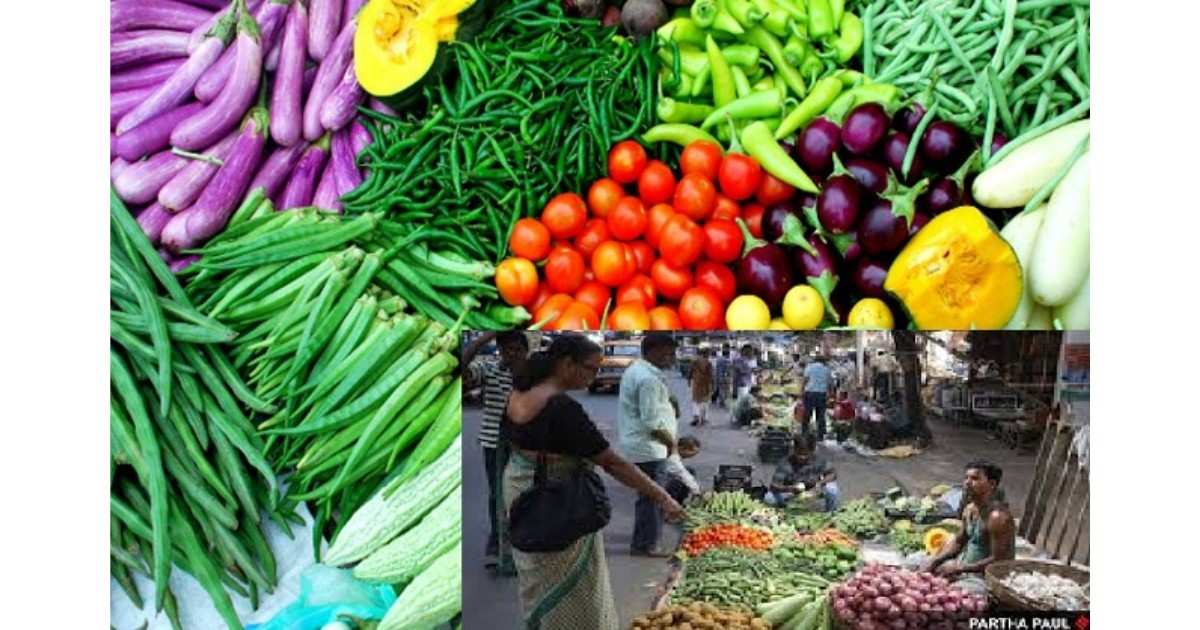
India’s pavilion showcased a wide array of certified organic products — from spices, turmeric, cardamom, and cashew to GI-tagged heritage rice and processed organic foods — emphasising both commodity and value-added export potential.
This diversification is key for India’s organic export strategy, as demand in global markets is not only for traditional staples but increasingly for value-added, traceable, and sustainably sourced products.
Certification, Quality, and Market Confidence
India’s compliance with international organic standards, backed by NPOP and traceability systems like Tracenet, enhances trust among overseas buyers concerned about quality and authenticity — a major consideration in organic trade.
Strengthening such frameworks could further reduce barriers to entry in premium markets where regulatory scrutiny is high.
Implications for Indian Farmers and Value Chains
Recognition at the global stage matters not only for exporters but also for farmers and rural producers:
- FPOs gain market linkages and pricing transparency that are typically elusive in domestic circuits.
- Participation in BIOFACH helps elevate brand value for regional and geographically distinctive products (e.g., GI-tagged rice), enhancing rural incomes.
This could support broader national objectives of sustainable agriculture growth, rural livelihood improvement, and integration of smallholders into global value chains.
Challenges and Next Steps
While India’s BIOFACH accolade is a key milestone, stakeholders acknowledge that challenges remain:
- Certification harmonisation mechanisms, such as Mutual Recognition Agreements with the EU, are still in progress and critical for seamless export trade.
- Infrastructure and logistics improvements are needed to support scaling up exports without quality compromise.
- Export readiness among smaller players requires continued capacity building and compliance support.
Addressing these systematically can help India capitalise on BIOFACH momentum and post-FTA market openings.
Strategic Significance: Organic Exports in India’s Trade Agenda
India’s elevation to Country of the Year reflects broader policy focus on sustainable agriculture, diversified agriculture exports, and value-added farm produce — areas increasingly relevant in a world prioritising health, environmental stewardship, and traceability.
For New Delhi, it also underscores the success of institutional export promotion models — led by APEDA — that combine policy, certification, branding, and market access initiatives.
Conclusion: A Turning Point for India’s Organic Export Story
India’s “Country of the Year” distinction at BIOFACH 2026 is more than symbolic. It represents a strategic inflection in India’s organic export journey — validating global competitiveness, creating foreign market engagement opportunities, and signalling readiness to scale exports in premium markets.
As Indian exporters build on this exposure, supported by trade agreements and strengthened domestic frameworks, the organic sector is positioned to be a key growth engine in India’s agricultural export portfolio in the coming years.
This report synthesises verified developments from multiple reputable sources on India’s participation and recognition at BIOFACH 2026. It is designed for Indian readers seeking an authoritative analysis of export-related trade outcomes and future prospects.