


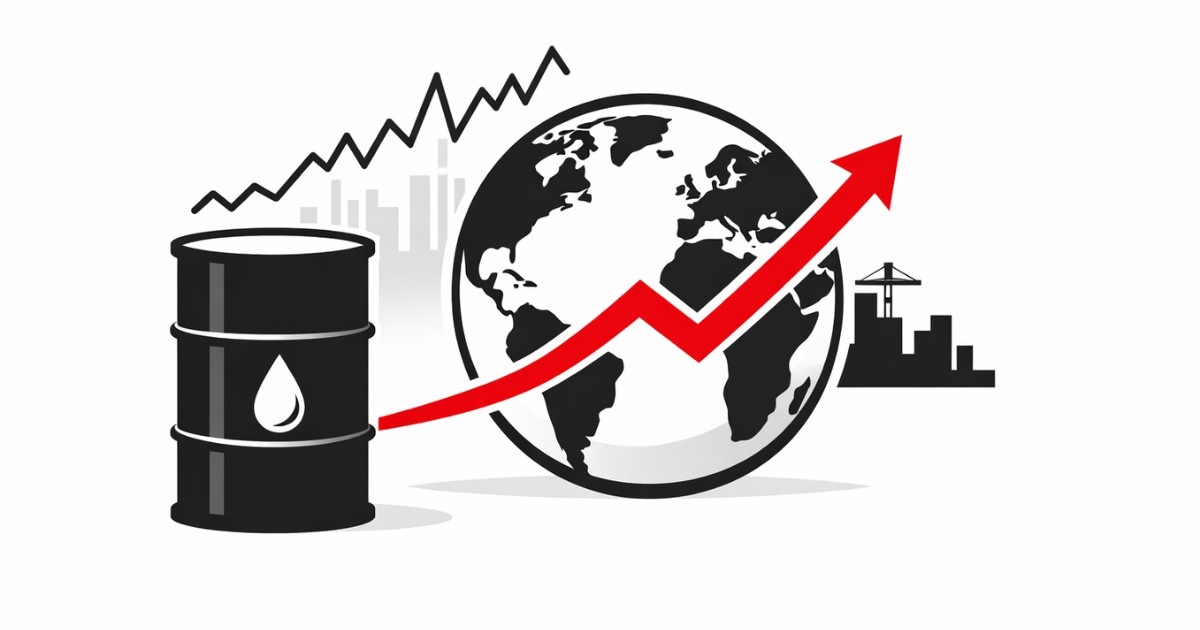
Global oil prices are rising again, drawing strong reactions from international markets and raising fresh concerns for oil-importing countries like India.
Crude oil is a key global commodity. Its price affects fuel rates, inflation, transport costs, airline fares, and even stock markets. When oil prices move sharply, financial markets react quickly.
In recent trading sessions, benchmark crude prices moved higher due to supply concerns, geopolitical tensions, and cautious market sentiment. Investors are closely watching developments in major oil-producing regions and policy signals from global economies.
For India, which imports more than 80% of its crude oil needs, rising global oil prices can have a direct impact on petrol, diesel, LPG, and overall inflation.
This report explains what is driving the surge, how global markets are reacting, and what it could mean for Indian consumers and businesses.
Why Are Global Oil Prices Rising?
Oil prices do not rise without reason. Several factors are influencing the current trend.
1. Supply Concerns From Major Producers
Oil supply remains tight in some regions. Any disruption — whether due to production cuts, sanctions, or conflict — can push prices higher.
Major oil-producing nations often adjust output to balance markets. When supply expectations fall, traders anticipate shortages and bid prices up.
2. Geopolitical Tensions
Global oil markets are sensitive to political events.
Tensions in key oil-producing regions can create fears of supply disruption. Even if production continues normally, uncertainty alone can lift prices.
Markets respond not only to actual shortages but also to the risk of future disruptions.
3. Stronger Demand Expectations
If global economic growth improves, demand for oil increases.
Higher industrial activity, travel demand, and manufacturing output raise consumption levels. When demand rises faster than supply, prices go up.
Recent signals from major economies suggest stable energy demand, which has supported oil prices.
4. Currency Movements and Dollar Strength
Oil is traded globally in US dollars.
When the US dollar weakens, oil often becomes cheaper for other countries, which can increase demand and lift prices. On the other hand, currency volatility adds to market uncertainty.
How International Markets Are Reacting
Oil prices influence more than just energy companies. Global financial markets are closely watching the movement.
Stock Markets Show Mixed Reaction
Energy stocks tend to gain when oil prices rise. Shares of oil producers and refiners often move higher.
However, sectors that depend heavily on fuel — such as airlines, transport, and logistics — may see pressure on profit margins.
In many global markets:
- Energy sector stocks are firm
- Airline stocks show volatility
- Transport-related shares face cautious trading
Investors are adjusting portfolios based on expected cost pressures.
Bond Markets and Inflation Concerns
Higher oil prices can lead to higher inflation.
When fuel costs increase, transport and manufacturing expenses rise. These costs may be passed on to consumers.
Bond markets react to inflation risks. If investors expect central banks to delay rate cuts due to inflation, bond yields can move higher.
Currency Market Movements
Oil-exporting countries may see stronger currencies when oil prices rise.
On the other hand, oil-importing countries can face pressure on their currencies due to higher import bills.
Emerging market currencies are being closely watched as traders assess the impact of higher energy costs.
Impact on India: What It Means for Fuel Prices
India imports the majority of its crude oil.
When global crude prices rise, oil marketing companies face higher input costs. Whether retail petrol and diesel prices increase depends on several factors:
- Government policy decisions
- Excise duty structure
- Global crude price levels
- Refining margins
Even if pump prices do not change immediately, higher crude prices increase the overall import bill.
India’s Oil Import Bill Could Rise
A sustained rise in oil prices increases India’s trade deficit.
Higher imports mean more outflow of foreign exchange. This can affect the rupee and increase inflation risks.
If crude remains elevated for a long period, policymakers may need to balance inflation control with economic growth.
Effect on Inflation and Household Budgets
Fuel prices impact almost every product.
When transport costs rise:
- Food prices may increase
- Delivery charges may rise
- Airfares may move higher
- Manufacturing costs may go up
This creates inflation pressure, especially for middle-income households.
What Are Oil-Producing Nations Doing?
Oil-producing countries often adjust production to stabilize prices.
Market participants are closely watching any announcements related to output levels.
Production discipline, supply coordination, and export decisions can quickly change price direction.
If producers decide to increase supply, prices may cool. If output remains limited, prices could stay firm.
How Central Banks May Respond
Central banks monitor energy prices carefully.
If rising oil prices increase inflation, policymakers may delay interest rate cuts. Higher rates can slow economic growth.
In India, inflation management remains a priority. Fuel costs play a significant role in overall price stability.
Are Higher Oil Prices Here to Stay?
Oil markets are known for volatility.
Prices can change quickly based on:
- Global economic data
- Supply updates
- Political developments
- Inventory reports
Short-term spikes do not always mean long-term trends.
Analysts suggest that much will depend on supply discipline and global demand strength in the coming weeks.
Sectors That May Benefit From Higher Oil Prices
Not all industries are negatively affected.
Energy and Exploration Companies
Oil producers and exploration firms often benefit when crude prices rise. Higher selling prices improve revenue potential.
Refining and Oil Marketing Firms
Margins can improve depending on pricing structure and product demand.
However, government pricing controls can influence outcomes.
Sectors That May Face Pressure
Aviation Sector
Airlines depend heavily on aviation turbine fuel.
Higher fuel costs can reduce profit margins or increase ticket prices.
Transport and Logistics
Fuel is a major operational cost.
Companies may either absorb the cost or pass it on to customers.
What Should Investors Watch Now?
For Indian investors and businesses, the key factors to monitor include:
- Movement in global crude benchmarks
- Rupee exchange rate
- Government fuel pricing decisions
- Inflation data
- Global economic growth signals
Short-term volatility may continue.
Long-term trends will depend on supply stability and global demand balance.
Oil Prices Remain a Key Global Indicator
Global oil prices are once again in focus as markets react to supply concerns and economic signals.
For India, higher crude prices can influence inflation, fuel rates, and economic planning.
International markets are adjusting cautiously. Energy stocks are gaining support, while inflation concerns remain on the radar.
The coming weeks will be important. Any shift in supply policy, geopolitical developments, or economic data can change the direction of oil prices.
For consumers, businesses, and policymakers, staying alert to oil market movements is essential.
Oil remains more than just a commodity. It is a driver of global economic stability — and its price movements continue to shape financial markets worldwide.
Also Read: UPI New Rules 2026: 8 Key Updates Set to Strengthen Digital Payments Security
Follow us on google news: Click Here