

New Delhi | February 2026
As global leaders, policymakers and technology executives gathered in the national capital for the AI Impact Summit 2026, one message was clear: artificial intelligence is no longer a future concept. It is already reshaping how India works, learns and governs.
Beyond product launches and policy announcements, three key themes dominated the deeper discussions — upskilling the workforce, managing job displacement risks, and strengthening data sovereignty frameworks. These issues will define how India balances innovation with social stability in the coming years.
This analysis looks at what these debates mean for Indian workers, businesses and policymakers in 2026 and beyond.
AI at Work: Why the Debate Matters Now
India is home to one of the world’s largest workforces. At the same time, it is one of the fastest-growing digital economies.
Artificial intelligence is being adopted across sectors:
- Banking and fintech
- IT services and software development
- Healthcare diagnostics
- Manufacturing automation
- Retail and e-commerce
- Agriculture technology
The speed of AI adoption has triggered urgent questions:
- Will AI create more jobs than it replaces?
- Are Indian workers ready for AI-driven workplaces?
- Who controls the data powering AI systems?
These are not theoretical concerns. They directly affect millions of jobs and India’s long-term economic competitiveness.
Upskilling: The Most Urgent Priority
Why Skills Are the Core Issue
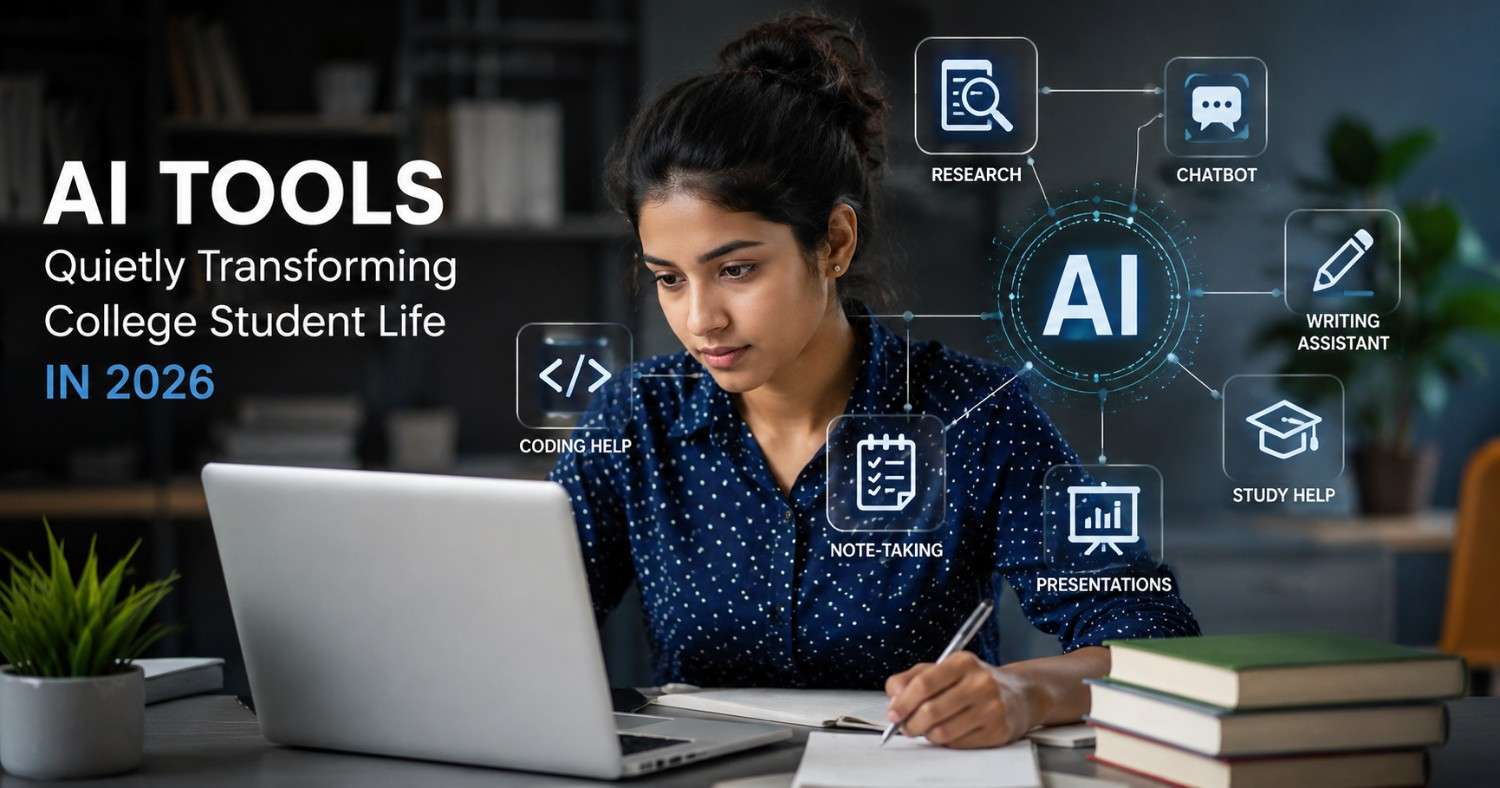
One of the strongest themes emerging from AI policy discussions is that skills, not technology, will determine India’s success.
AI systems can automate repetitive tasks. But they also create demand for new skills:
- Data analysis
- Prompt engineering
- AI system monitoring
- Cybersecurity
- Cloud management
- AI ethics and compliance
India’s IT and services sectors employ millions. Many routine coding, testing and documentation tasks are now being automated by AI tools. This does not eliminate the need for workers, but it changes the type of skills required.
The Shift from Routine Work to High-Value Roles
Experts argue that India must move:
From: Low-cost execution model
To: High-value innovation and AI supervision roles
For example:
- Instead of manual data entry, workers must manage AI data pipelines.
- Instead of writing repetitive code, engineers must design AI-assisted systems.
- Instead of basic customer support, professionals must handle complex AI-integrated workflows.
This shift demands large-scale reskilling.
Government and Industry Response
India has already launched multiple digital skill initiatives over the past decade. However, AI requires more focused programs:
- AI certification courses
- Industry-academia collaboration
- Technical training in regional languages
- Affordable online learning access
Private tech firms are also investing in internal AI training programs for employees.
The challenge is scale. India adds millions to its workforce every year. Training must match that pace.
Job Displacement: Risk or Rebalancing?
Which Jobs Are Most at Risk?
Automation risk is highest in roles that involve:
- Repetitive data processing
- Basic content drafting
- Standardized customer responses
- Predictable back-office operations
Sectors facing early disruption include:
- IT services
- BPO operations
- Entry-level administrative roles
However, experts caution against panic. Historically, technology shifts have replaced some roles but created new ones.
New Roles Emerging in the AI Economy
AI adoption is also generating demand for:
- AI model trainers
- AI ethics specialists
- Data governance officers
- Machine learning engineers
- AI product managers
- AI auditors
The key concern is timing. If job losses occur faster than reskilling, temporary unemployment pressures may rise.
India’s large youth population makes this transition especially critical.
The Informal Sector Challenge
India’s informal workforce, which represents a significant portion of total employment, may not immediately benefit from AI-driven productivity gains.
Policymakers must ensure that AI growth does not widen inequality between:
- Urban and rural workers
- Skilled and unskilled labour
- Digital and non-digital sectors
Balanced growth remains a central policy concern.
Data Sovereignty: Who Controls India’s Data?
Why Data Is the New Strategic Asset
Artificial intelligence systems depend on massive volumes of data.
In India’s case, this includes:
- Financial transactions
- Health records
- Aadhaar-linked digital services
- E-commerce and consumer behaviour
- Public governance databases
The debate around data sovereignty focuses on a simple but powerful question:
Should Indian data be stored and processed within India?
Balancing Innovation and Regulation
India has strengthened its digital regulatory framework in recent years, including data protection and privacy measures.
Key issues under discussion include:
- Cross-border data transfers
- Cloud infrastructure localization
- Security of sensitive government datasets
- AI model training using Indian citizen data
On one hand, global collaboration accelerates innovation.
On the other hand, national control over critical data enhances security and strategic independence.
India is trying to strike a middle path — encouraging foreign investment while protecting sovereign digital interests.
Global Context: Why It Matters
Data governance is not just a domestic issue. It is a geopolitical one.
Major economies are shaping AI regulations and digital trade rules. India’s stance on data sovereignty will influence:
- International trade agreements
- Tech partnerships
- AI research collaborations
- Cross-border digital services
As one of the world’s largest digital markets, India’s regulatory decisions carry global weight.
Industry Outlook: What Businesses Are Watching
Indian companies are closely tracking three developments:
1. Regulatory Clarity
Businesses want clear AI compliance guidelines to avoid legal uncertainty.
2. Infrastructure Investment
AI requires:
- High-performance computing
- Data centers
- Advanced chips
- Stable power supply
India’s push toward domestic semiconductor manufacturing is part of this broader strategy.
3. Talent Availability
Firms need skilled AI professionals. Without talent, even the best infrastructure cannot deliver results.
Education System Under Pressure
India’s universities and technical institutes face a major responsibility.
Curriculum updates are essential in:
- Engineering programs
- Management studies
- Law and public policy
- Social sciences
AI literacy must expand beyond coders. Policymakers, lawyers, journalists and administrators must also understand how AI systems function.
Education reform is no longer optional. It is urgent.
Small Businesses and AI: A Double-Edged Sword
AI tools are becoming affordable and accessible to small enterprises.
Benefits include:
- Automated marketing
- Inventory forecasting
- Chatbots for customer support
- Data-driven decision making
However, smaller firms may lack awareness or training to adopt these tools effectively.
Government-backed awareness programs and affordable AI platforms could accelerate adoption among MSMEs.
The Bigger Question: Growth with Responsibility
India’s AI journey is not just about speed. It is about direction.
Three priorities stand out:
- Inclusive growth – ensuring AI benefits all sections of society
- Responsible deployment – avoiding misuse and protecting privacy
- Economic resilience – maintaining employment stability during transition
The balance between innovation and social protection will define India’s AI success.
What Happens Next?
Following the discussions at the AI Impact Summit 2026, attention now turns to implementation.
Key areas to monitor in 2026:
- New AI skilling initiatives
- Updated data governance policies
- Industry hiring trends
- AI adoption in public services
- Startup funding in AI sectors
India is at a pivotal moment.
If managed well, AI could:
- Increase productivity
- Boost GDP growth
- Create high-value jobs
- Strengthen global competitiveness
If mismanaged, it could widen inequality and create short-term workforce shocks.
Conclusion: India’s AI Future Depends on People, Not Just Technology
Artificial intelligence is transforming workplaces across India. But the central issue is not machines. It is people.
Upskilling determines employability.
Job transition policies determine stability.
Data sovereignty determines strategic independence.
The decisions made today — in policy rooms, boardrooms and classrooms — will shape India’s digital economy for decades.
AI is here.
The real question is how India chooses to use it.