

February 2026 | International Desk
Global trade tensions have escalated after China issued a strong warning to the United States following reports that US authorities seized oil tankers linked to sanctioned entities. The development has triggered fresh concerns over energy supply routes, maritime security, and the broader impact on global trade flows.
The incident comes at a time when geopolitical risks are already high due to ongoing conflicts, supply chain disruptions, and economic uncertainty. For countries like India — heavily dependent on imported crude oil — such developments are closely watched for their potential impact on energy prices and trade stability.
Here is a detailed look at what happened, why it matters, and what could follow.
What Happened: US Seizure of Oil Tankers
US authorities reportedly seized oil tankers suspected of transporting crude in violation of sanctions. While specific operational details have not been publicly disclosed in full, such actions typically fall under enforcement of US sanctions policies aimed at restricting trade with certain nations or entities.
Sanctions enforcement at sea often involves:
- Monitoring maritime routes
- Tracking vessels using shipping data
- Seizing ships linked to sanctioned oil exports
- Redirecting cargo for investigation
The move has been framed by US authorities as part of broader efforts to enforce compliance with international sanctions.
China’s Response: Strong Diplomatic Warning
China responded sharply, warning against actions that could disrupt lawful trade and escalate tensions in global shipping lanes.
Chinese officials have emphasized:
- The importance of stable global energy markets
- Respect for international trade norms
- Opposition to unilateral enforcement measures that affect third parties
Beijing’s response signals that the issue is not just about a few vessels. It reflects deeper strategic friction between the world’s two largest economies.
Why This Matters for Global Trade
1. Energy Supply Routes Under Scrutiny
Oil tankers move through critical maritime routes, including:
- The South China Sea
- The Strait of Malacca
- The Persian Gulf
- The Indian Ocean
Any disruption to these routes can influence global oil supply chains.
Even temporary seizures or standoffs may:
- Delay shipments
- Raise insurance premiums for shipping companies
- Increase freight costs
- Create volatility in crude oil markets
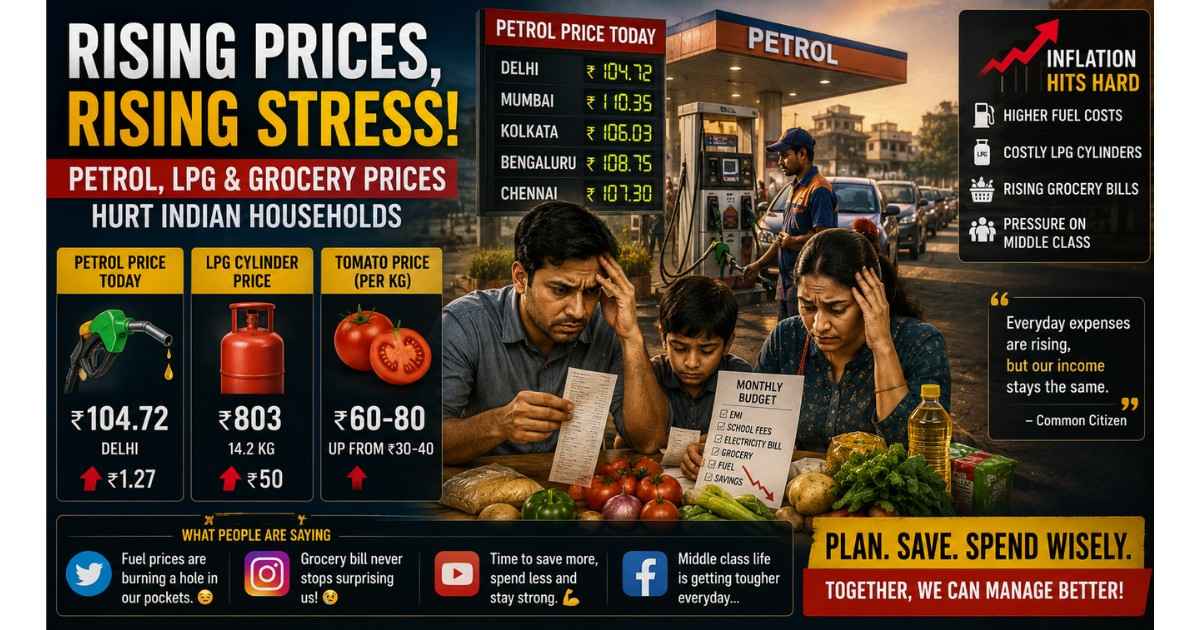
For oil-importing nations like India, such instability can affect fuel prices and inflation trends.
2. Sanctions Enforcement and Maritime Risks
The seizure highlights the expanding use of maritime enforcement in geopolitical disputes.
Sanctions have become a key policy tool in global politics. However, enforcement actions at sea carry risks:
- Diplomatic escalation
- Legal disputes over cargo ownership
- Retaliatory trade measures
- Increased naval presence in sensitive waters
The broader concern is whether such incidents could trigger tit-for-tat responses.
Impact on Global Oil Markets
Oil markets are sensitive to geopolitical signals.
Even without immediate supply disruption, events like tanker seizures can:
- Trigger short-term price spikes
- Increase futures market volatility
- Create uncertainty for refiners and importers
Traders closely monitor such developments because shipping disruptions can tighten supply, even if temporarily.
India imports more than 80% of its crude oil requirements, making global supply stability crucial for domestic fuel pricing.
US–China Strategic Rivalry: A Larger Context
This latest development fits into a broader pattern of economic and strategic competition between Washington and Beijing.
Key areas of tension include:
- Trade tariffs
- Technology restrictions
- Semiconductor exports
- Maritime security
- Sanctions enforcement
Energy trade is increasingly becoming part of that strategic landscape.
As both nations pursue their geopolitical interests, third countries often feel indirect effects through market fluctuations and supply chain changes.
Implications for India
1. Energy Security Concerns
India has diversified its crude import sources over recent years. However, any instability in global shipping routes can affect:
- Import costs
- Refinery planning
- Strategic reserves
Higher global oil prices can influence:
- Petrol and diesel prices
- Transportation costs
- Inflation trends
- Fiscal planning
2. Trade Diplomacy Balance
India maintains strong trade relations with both the US and China.
In such situations, New Delhi typically adopts a balanced diplomatic approach, focusing on:
- Securing energy supply
- Avoiding entanglement in major power disputes
- Supporting stable global trade systems
Energy security remains a core national priority.
Could This Escalate Further?
Several scenarios are possible:
Diplomatic Resolution
Backchannel talks may reduce tensions and prevent escalation.
Increased Maritime Monitoring
Naval and coast guard presence in key shipping lanes may increase.
Retaliatory Measures
If tensions rise, economic or trade countermeasures could follow.
Market Stabilization
If the incident remains isolated, oil markets may stabilize quickly.
Much depends on how both countries manage communication in the coming days.
Shipping Industry on Alert
Global shipping companies are closely monitoring the situation.
Key concerns include:
- Vessel insurance rates
- Risk premiums for certain routes
- Contract enforcement disputes
- Cargo rerouting costs
Maritime trade accounts for nearly 90% of global goods movement, making stability in sea lanes essential for world commerce.
Geopolitical Significance
The incident underlines a growing reality:
Energy security, trade policy, and geopolitics are increasingly interconnected.
Oil tankers are not just commercial assets. They are strategic tools in modern diplomacy.
The use of sanctions enforcement in maritime trade highlights how economic measures now play a central role in international relations.
What to Watch Next
Investors, policymakers, and energy analysts will monitor:
- Official statements from Washington and Beijing
- Oil price movement in global markets
- Shipping activity in key maritime routes
- Diplomatic engagement efforts
If tensions ease, markets may stabilize quickly. If rhetoric intensifies, volatility could return.
Conclusion: A Fragile Moment for Global Trade
China’s warning following the US seizure of oil tankers signals rising geopolitical sensitivity in global energy trade.
While immediate large-scale disruption has not been reported, the situation highlights how quickly maritime enforcement actions can ripple through global markets.
For India and other major importers, the priority remains clear:
- Stable supply chains
- Predictable energy pricing
- Balanced diplomacy
As global power dynamics evolve, energy transport routes will remain at the center of strategic competition.
The coming days will determine whether this episode remains a contained dispute — or becomes another flashpoint in an already tense global trade environment.