

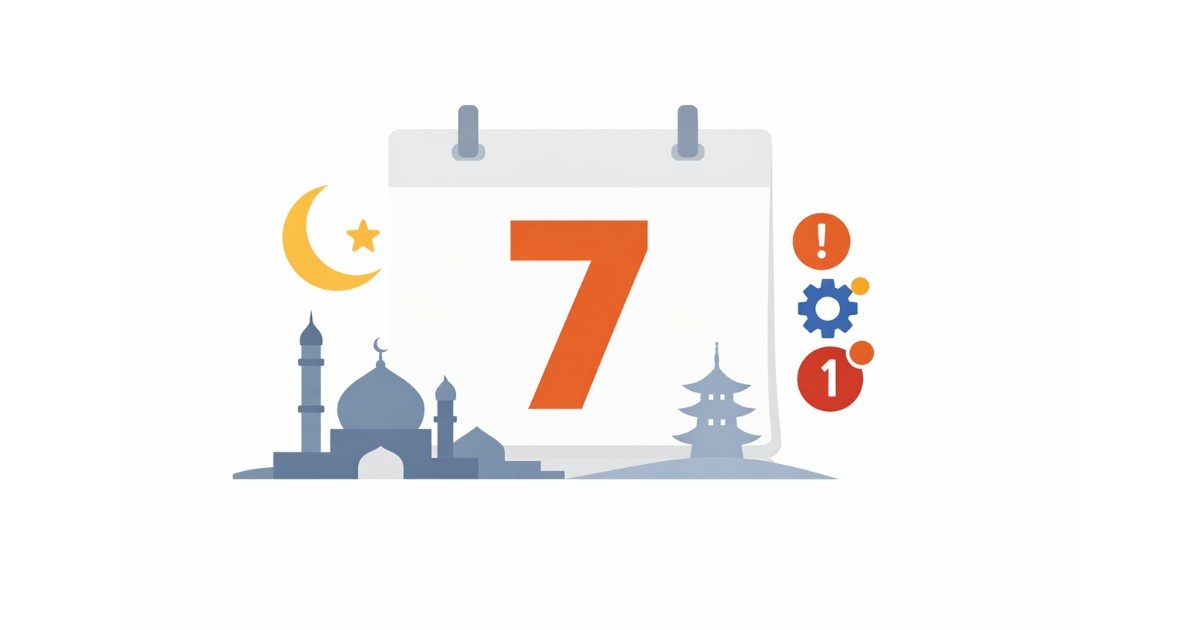
Ramadan 2026 has begun across several Asian countries, marking the start of the holiest month in Islam. The beginning of Ramadan depends on the sighting of the crescent moon, and announcements were made in different nations after sunset on 18 February 2026, with fasting beginning from 19 February 2026 in many regions.
For millions of Muslims in India and across Asia, This is a time of fasting, prayer, charity, and deep spiritual reflection. The month shapes daily life, work schedules, school routines, food markets, and community gatherings. It also brings strong economic activity in retail, travel, food, and religious tourism.
This year, Ramadan comes at a time of rising food prices in some regions and increased travel demand before Eid. Families are planning carefully. Businesses are adjusting supply chains. Governments have issued advisories in many cities to manage crowds and traffic near mosques.
When Does Ramadan 2026 Start? Key Dates Across Asia
Moon Sighting Determines the Start
Ramadan begins with the sighting of the crescent moon. Because moon sightings vary by country, start dates may differ by a day.
As of 19 February 2026, fasting has begun in many Asian countries including:
- Saudi Arabia
- United Arab Emirates
- Qatar
- Kuwait
- Oman
- Indonesia
- Malaysia
- India (in several regions, depending on moon sighting confirmation)
In India, local religious authorities and moon sighting committees confirm the date. Some states may begin fasting on 19 February, while others may start on 20 February, depending on visibility.
How Long Will It Last?
Ramadan lasts 29 or 30 days, depending on the next moon sighting.
If the month completes 30 days, Eid al-Fitr 2026 is expected around 20 or 21 March 2026. Final confirmation will again depend on the moon.
What Is Ramadan? Understanding the Core Meaning
Ramadan is the ninth month of the Islamic calendar. Muslims believe it is the month when the Holy Quran was first revealed.
During Ramadan:
- Muslims fast from dawn (Fajr) to sunset (Maghrib)
- No food or drink is consumed during fasting hours
- Smoking and other physical indulgences are avoided
- Focus is placed on prayer, charity, and self-control
Fasting is one of the Five Pillars of Islam. It is compulsory for healthy adult Muslims. Children, elderly people, pregnant women, travellers, and those with medical conditions may be exempt.
Daily Routine During Ramadan
Sehri (Pre-Dawn Meal)
The day begins before sunrise with Sehri, also called Suhoor. Families wake up early to eat and drink before fasting starts.
Common Sehri foods in India include:
- Paratha and curry
- Fruits
- Dates
- Milk
- Oats or light rice dishes
Hydration is important because fasting can last 12 to 15 hours, depending on the city and season.
Iftar (Breaking the Fast)
At sunset, Muslims break their fast with Iftar.
Traditionally, fasting is broken with dates and water, following the practice of Prophet Muhammad.
Popular Iftar foods in India and South Asia include:
- Fruit chaat
- Samosa
- Haleem
- Pakoras
- Rooh Afza drinks
- Biryani in evening meals
Markets in cities like Delhi, Hyderabad, Lucknow, and Mumbai see a surge in evening crowds during Ramadan.
Ramadan 2026 in India: What to Expect
India has one of the largest Muslim populations in the world. Ramadan transforms neighbourhoods across states such as:
- Uttar Pradesh
- Telangana
- Maharashtra
- Kerala
- West Bengal
- Karnataka
Mosque Gatherings and Taraweeh Prayers
Special night prayers called Taraweeh are held after the evening prayer. Mosques remain open late into the night.
Major mosques in cities such as Delhi’s Jama Masjid and Hyderabad’s Mecca Masjid attract thousands of worshippers daily.
Local authorities often manage traffic and security around these areas during peak hours.
Retail and Food Business Boom
Ramadan boosts business activity, especially in:
- Food stalls
- Clothing shops
- Perfume and gift stores
- Online marketplaces
Sales usually rise in the last 10 days of Ramadan, as families prepare for Eid celebrations.
Cultural Traditions Across Asia
Saudi Arabia and Gulf Countries
In Gulf nations, Ramadan brings shorter working hours. Offices and government departments adjust schedules.
Large Iftar tents are set up where free meals are distributed daily.
Indonesia and Malaysia
In Southeast Asia, Ramadan bazaars are a major highlight. Street markets sell traditional sweets, rice dishes, and drinks.
Special community prayers and Quran recitation programs are widely organised.
Pakistan and Bangladesh
Charity drives increase sharply. Community kitchens provide free meals to the poor.
Television channels broadcast special Ramadan programming focused on faith and family themes.
The Last 10 Days: Laylat al-Qadr
The final 10 days of Ramadan are considered the most sacred.
Among these nights is Laylat al-Qadr, also called the Night of Power. Muslims believe this night holds special blessings.
Many people spend extra hours in prayer during this period. Mosques see their highest attendance in these final days.
Charity and Social Responsibility During Ramadan
Charity is central to Ramadan.
Two key forms of charity are:
- Zakat – compulsory annual charity for eligible Muslims
- Sadaqah – voluntary charity
Before Eid, families also give Zakat al-Fitr, which helps the poor celebrate the festival.
In India, NGOs and local groups organise food distribution drives. Donations often increase significantly during this month.
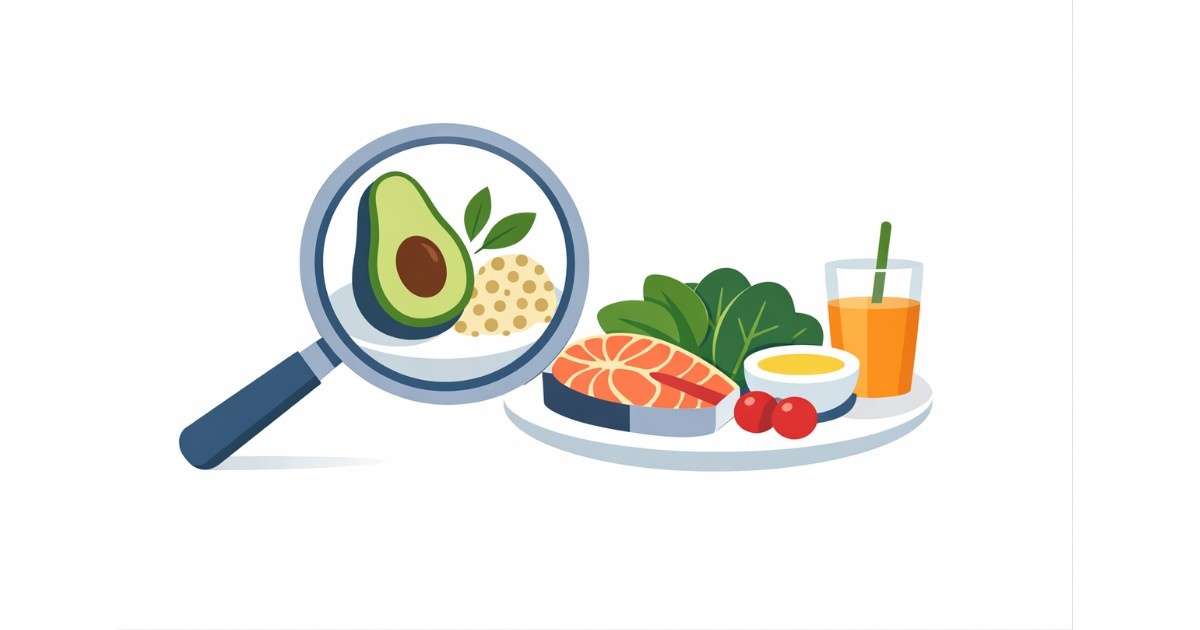
Health and Fasting: Important Guidance
Health experts advise:
- Drink enough water during non-fasting hours
- Avoid heavy fried food daily
- Rest properly
- Consult a doctor if suffering from diabetes or chronic illness
Many hospitals in India issue Ramadan health advisories to help people fast safely.
Economic and Social Impact of Ramadan 2026
Ramadan influences multiple sectors:
- Food supply chains
- Travel bookings before Eid
- E-commerce sales
- Gold and jewellery purchases
- Clothing retail
Air and train bookings often rise in the final week as families travel home for Eid.
Hospitality and catering services also see increased demand for community Iftar events.
Public Holidays and School Adjustments
Some Muslim-majority countries announce shorter school hours.
In India, schools usually function normally but may adjust schedules in some regions with large Muslim populations.
The exact date of Eid al-Fitr 2026 holiday will be declared by the government after moon sighting confirmation.
Ramadan 2026: A Time of Reflection and Unity
Ramadan is not only about fasting. It is about:
- Patience
- Discipline
- Gratitude
- Helping others
- Strengthening community bonds
Families gather daily. Mosques remain active. Communities support one another.
For many across Asia, Ramadan is the most spiritually meaningful month of the year.
What Comes Next: Eid al-Fitr 2026
Ramadan ends with Eid al-Fitr, a major Islamic festival.
On Eid morning:
- Special prayers are held
- New clothes are worn
- Families exchange gifts
- Traditional sweets are prepared
Markets are expected to see heavy footfall in the final week before Eid.
Final confirmation of Eid 2026 will depend on the sighting of the next crescent moon in March.
Ramadan 2026 at a Glance
- Start Date (many Asian countries): 19 February 2026
- Duration: 29 or 30 days
- Expected Eid al-Fitr: Around 20–21 March 2026
- Daily Fast: Dawn to Sunset
- Key Focus: Prayer, charity, self-discipline
Conclusion
As Ramadan 2026 begins across Asia, millions of families in India and beyond enter a month of fasting, prayer, and community bonding.
The month carries deep spiritual value. It also shapes daily life, business activity, and social rhythms across the region.
With moon sightings confirming the start, preparations are underway for 30 days of devotion, followed by the celebration of Eid.
For Indian readers, staying informed about fasting dates, prayer timings, travel plans, and local advisories will be important in the coming weeks.
Ramadan 2026 is not only a religious observance. It is a powerful reminder of unity, compassion, and shared cultural heritage across Asia.
Also Read: AI Impact Summit 2026: 7 Powerful Positive Highlights
Follow us on google news: Click Here