


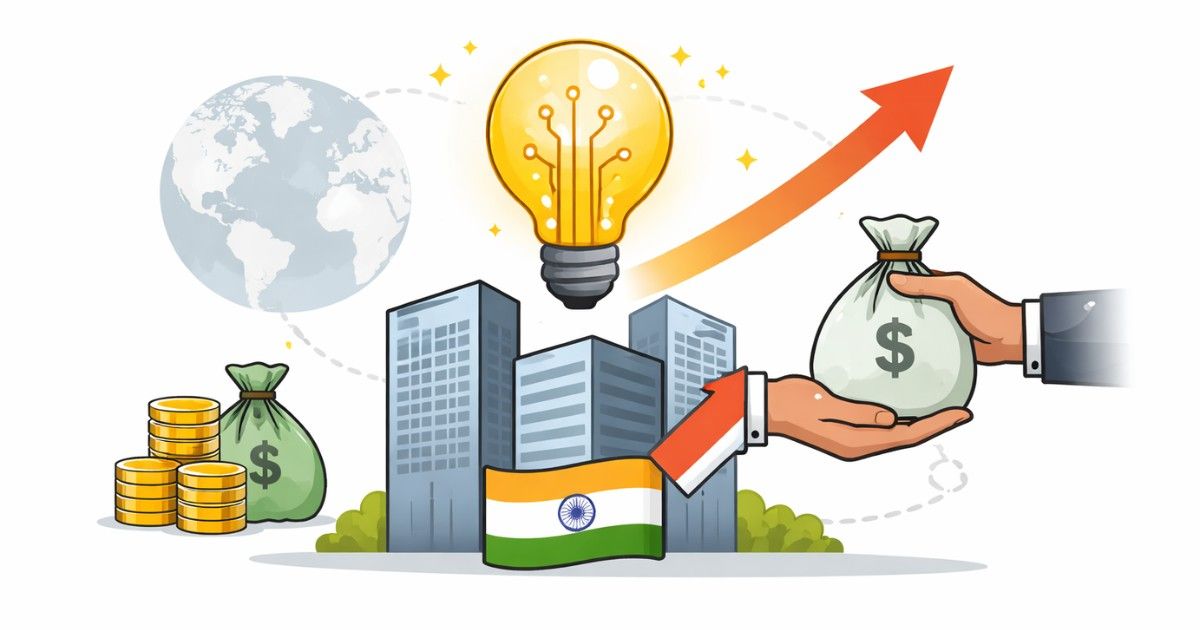
Global technology investments are entering a new phase. After major global discussions on artificial intelligence and digital governance in early 2026, investor attention has shifted toward fast-growing innovation markets. India is now at the center of that conversation.
In the weeks following key international AI summits, venture capital firms, sovereign funds, and global tech companies have increased their engagement with Indian startups. Founders report renewed investor interest, especially in sectors linked to AI, fintech, climate tech, health tech, and deep tech.
This shift matters because funding trends influence hiring, product development, and long-term innovation. For India’s startup ecosystem — already one of the largest in the world — global capital flows can shape the next decade of growth.
This report explains how global tech investments are influencing Indian startups, which sectors are gaining attention, and what it means for founders, investors, and job seekers.
1. AI-First Startups Are Seeing Strong Investor Interest
Artificial Intelligence was the main theme at global technology summits this year. As a result, investors are prioritising startups that use AI at the core of their business models.
Focus Areas Include:
- AI tools for enterprises
- Generative AI applications
- AI-driven customer service platforms
- AI for healthcare diagnostics
- AI-powered financial risk tools
Investors are no longer funding startups just for growth potential. They are looking for strong AI integration, real-world use cases, and scalable models.
Early-stage AI startups in India are reporting faster investor meetings and shorter due diligence cycles. However, investors are also demanding clearer revenue plans and better governance standards.
2. Global Venture Capital Is Becoming More Selective
While interest in India is rising, global investors are more cautious compared to previous funding booms.
After years of rapid funding between 2020 and 2022, many international funds are now focusing on:
- Sustainable revenue models
- Clear profitability paths
- Strong compliance frameworks
- Data protection readiness
This shift means startups cannot rely only on user growth. They must show strong business fundamentals.
For Indian founders, this marks a change from “growth at any cost” to “smart and responsible scaling.”
3. Cross-Border Partnerships Are Increasing
Another major trend after the AI summit is deeper collaboration between Indian startups and global tech companies.
Key Developments Include:
- Technology licensing agreements
- Joint AI research projects
- Cloud infrastructure partnerships
- Global product pilots
Large international technology firms are exploring India not just as a market, but as a development hub.
This is helping Indian startups gain:
- Access to global customers
- Technical support
- Advanced computing infrastructure
- International credibility
Such partnerships reduce the funding pressure and allow startups to expand globally faster.
4. Deep Tech and Climate Tech Are Gaining Momentum
Global investors are now backing long-term innovation sectors rather than only consumer apps.
Sectors Seeing Fresh Attention:
- Semiconductor design
- Clean energy storage
- EV battery technology
- Green hydrogen
- Space tech
India’s strong engineering talent base makes it attractive for deep tech investments.
At the same time, climate-focused startups are benefiting from global sustainability commitments. International funds are actively seeking startups that align with climate goals and carbon reduction strategies.
This trend could reshape India’s startup ecosystem over the next 5 to 10 years.
5. Increased Focus on Data Security and AI Governance
AI governance discussions at global forums have influenced investor expectations.
Investors are now closely reviewing:
- Data privacy practices
- AI bias mitigation policies
- Cybersecurity systems
- Regulatory compliance
Startups without strong governance frameworks may struggle to raise global capital.
For Indian startups, this means building compliance systems early. Legal readiness and ethical AI policies are no longer optional.
This shift may increase initial operational costs, but it strengthens long-term trust.
6. Tier-2 and Tier-3 Startup Ecosystems Are Emerging
Global investors are not only focusing on Bengaluru, Mumbai, and Delhi.
There is rising interest in startups from:
- Jaipur
- Indore
- Kochi
- Coimbatore
- Bhubaneswar
Remote work models and digital infrastructure growth have made it easier for startups outside metro cities to attract global funding.
This decentralisation trend may help reduce regional imbalance and create wider employment opportunities.
7. Talent Hiring Is Shifting Toward AI and Product Roles
With global capital targeting AI-driven businesses, hiring priorities are changing.
Most In-Demand Roles in 2026:
- AI engineers
- Machine learning specialists
- Data scientists
- Cybersecurity experts
- Product managers
Startups are investing more in research and development teams instead of only marketing and expansion.
This also impacts Indian graduates and professionals. Skills in AI, coding, and data analytics are becoming critical for startup hiring.
How Indian Government Policies Are Supporting Investment
India’s digital public infrastructure and startup policies are also influencing investor confidence.
Key strengths include:
- UPI-led fintech ecosystem
- Strong Aadhaar-based digital identity systems
- Expanding 5G networks
- Startup India support framework
These systems reduce friction for startups and attract foreign capital.
Policy clarity around AI regulation and digital economy standards may further improve investor sentiment.
What Challenges Remain?
Despite positive signals, some challenges continue:
- Global economic uncertainty
- Currency fluctuations
- Valuation corrections
- Rising compliance costs
- Competition from Southeast Asia
Investors remain careful. Funding rounds may take longer than before, and valuation multiples are more realistic.
Startups must adapt to disciplined capital management.
Impact on India’s Startup Funding Outlook for 2026
Market analysts expect steady but measured growth in startup investments during 2026.
Unlike the funding surge of earlier years, this phase is likely to focus on:
- Quality over quantity
- Technology depth over quick scaling
- Governance and sustainability
- Long-term value creation
If current trends continue, India could strengthen its position as a leading global innovation hub.
Why This Story Matters for Indian Readers
Global tech investments directly influence:
- Job opportunities
- Innovation speed
- New product launches
- Startup IPO potential
- India’s global digital leadership
For students, entrepreneurs, and investors, understanding these shifts is essential.
The post-AI summit environment shows that India is not just a participant but a key player in the global tech economy.
Conclusion: A New Phase for Indian Startups
The period after global AI discussions marks a turning point.
Global capital is returning to Indian startups — but with stricter expectations.
AI integration, strong governance, sustainable revenue models, and deep tech innovation are shaping the next chapter.
For Indian founders, the message is clear:
Build responsibly. Scale intelligently. Focus on long-term impact.
If these conditions are met, 2026 could become a defining year for India’s technology ecosystem.
Also Read: Gold & Silver Surge in India 2026: Investor Strategies as Safe-Haven Demand Climbs
Follow us on google news: Click Here