

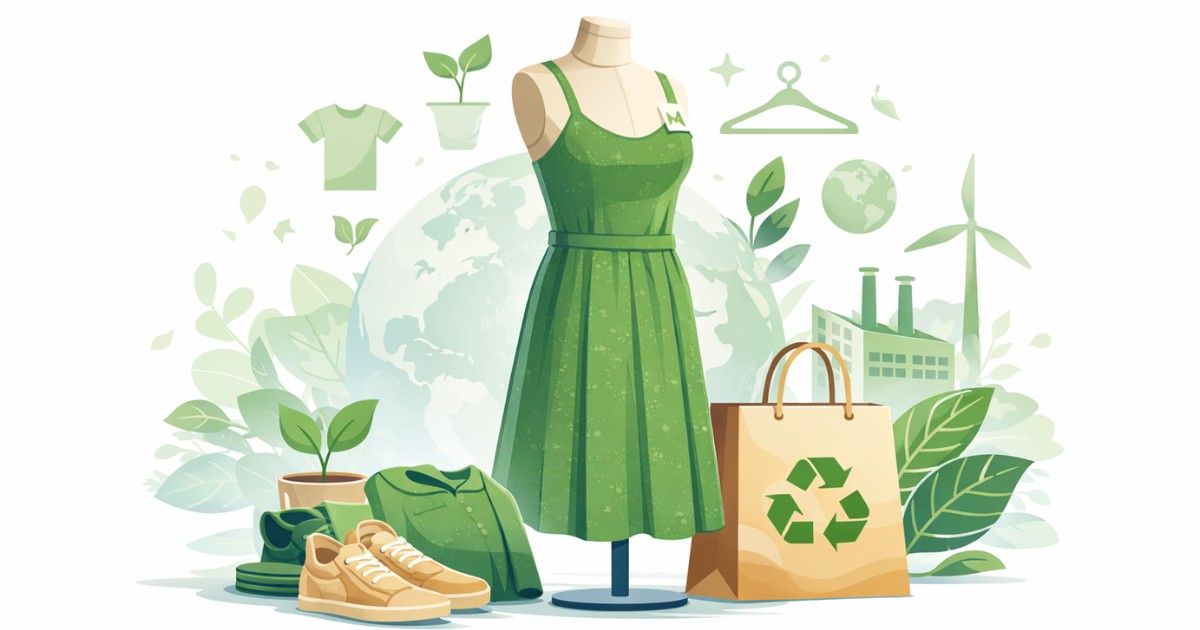
Sustainable fashion is no longer a niche idea. In 2026, it has become a strong buying factor for Indian consumers. Search interest for terms like “eco-friendly clothing,” “organic cotton kurta,” “recycled fabric saree,” and “vegan handbags India” continues to grow across major cities.
Young shoppers, working professionals, and even family buyers are asking one key question before purchase: Is this brand sustainable?
This shift matters for three reasons:
- Climate awareness is rising
- Consumers want better quality and longer-lasting clothes
- Indian brands are responding with new collections
Retailers are also adjusting their strategy. From recycled materials to resale platforms, the fashion market in 2026 looks very different from five years ago.
Here are the top sustainable fashion trends shaping 2026, based on consumer demand, brand launches, and online search patterns.
1. Organic Cotton and Natural Fabrics Lead the Market
Organic cotton remains one of the most searched sustainable fashion keywords in India.
Consumers are choosing:
- Organic cotton kurtas
- Linen sarees
- Bamboo fabric T-shirts
- Handwoven khadi outfits
The demand is strong in cities like Delhi, Mumbai, Bengaluru, and Pune. Buyers prefer natural fabrics because they are:
- Breathable in Indian weather
- Gentle on skin
- More durable over time
Indian brands such as Fabindia, Anokhi, and Okhai continue to expand their sustainable collections.
Key trend for 2026: Consumers are checking fabric labels before buying.
2. Slow Fashion Over Fast Fashion
In 2026, many shoppers are moving away from cheap, fast fashion purchases.
Instead of buying 5 low-cost outfits, buyers now prefer:
- 1 high-quality sustainable piece
- Classic designs that last longer
- Neutral colours and timeless styles
Search terms like “capsule wardrobe India” and “minimalist fashion 2026” have gained popularity.
This shift shows that people want clothes that:
- Last more than one season
- Do not go out of style quickly
- Offer better value over time
Even global brands such as H&M and Zara are promoting conscious collections to meet demand.
Important shift: Quality is now more important than quantity.
3. Recycled and Upcycled Clothing Gains Momentum
Recycled fabric is one of the fastest growing segments in 2026.
Designers are now using:
- Recycled polyester
- Deadstock fabric
- Upcycled denim
- Repurposed sarees
Young Indian designers are turning old textiles into modern styles. This trend is strong in urban markets and online platforms.
Search interest for “upcycled fashion India” and “recycled clothing brands” has increased steadily.
Many small Indian labels are using waste fabric to create:
- Jackets
- Bags
- Fusion wear
- Streetwear
Why it matters: It reduces textile waste and supports creative local businesses.
4. Pre-Owned and Resale Fashion Becomes Mainstream
Buying second-hand clothes is no longer seen as unusual.
In 2026, resale platforms are growing fast in India.
Popular resale and thrift platforms include:
- Poshmark
- OLX
- Several India-based thrift startups
Searches for “thrift store India online” and “pre-owned luxury bags India” are trending.
Consumers choose resale because:
- It saves money
- It reduces waste
- It gives access to premium brands at lower prices
Luxury resale is especially strong among Gen Z and millennials.
Major update: Premium handbags and designer sarees are among the most resold items in 2026.
5. Vegan Leather and Cruelty-Free Fashion Rise
Animal-free fashion is gaining strong support.
In 2026, shoppers are searching for:
- Vegan handbags
- Plant-based leather wallets
- Cruelty-free footwear
Brands are using materials made from:
- Pineapple fibre
- Mushroom leather
- Recycled plastics
Consumers are especially interested in handbags and shoes under ₹5,000 to ₹10,000 price range.
Indian brands are investing in alternative materials to reduce leather dependency.
Search trend: “Vegan leather India” has shown consistent growth over the past year.
6. Sustainable Ethnic Wear Expands Before Festive Season
India’s festive and wedding season plays a big role in fashion sales.
In 2026, eco-friendly ethnic wear is becoming popular.
Buyers are choosing:
- Handloom sarees
- Naturally dyed lehengas
- Artisan-made dupattas
- Block-printed kurtas
Handloom clusters in Rajasthan, Gujarat, and West Bengal are seeing renewed demand.
Consumers want:
- Transparent sourcing
- Support for artisans
- Chemical-free dyes
Search interest for “handloom saree 2026” increases before festivals like Diwali and wedding season.
Key insight: Sustainable fashion is not limited to western wear anymore.
7. Transparent Brands Win Consumer Trust
Transparency is a major factor in 2026.
Buyers now check:
- Where the clothes are made
- What materials are used
- How workers are treated
Brands that clearly share sourcing details gain more trust.
Consumers are more aware of greenwashing. They prefer companies that show real commitment instead of just marketing claims.
Web searches like “is this brand sustainable” and “ethical fashion brands India” show growing curiosity.
Major change: Brand honesty now directly affects sales.
8. Rental Fashion for Weddings and Events
Rental fashion is growing fast, especially in big cities.
Instead of buying expensive outfits for one event, people rent:
- Designer lehengas
- Wedding gowns
- Party wear
This trend reduces waste and lowers costs.
Rental platforms offer outfits for 1–3 day use, making it practical for weddings and celebrations.
Search terms such as “lehenga rental near me” and “designer outfit on rent” show high engagement during peak wedding months.
Why this matters: Fashion rental supports sustainability and affordability together.
9. Eco-Friendly Footwear and Accessories See Growth
Sustainable fashion is not limited to clothing.
Consumers are buying:
- Recycled sneakers
- Jute handbags
- Cork wallets
- Organic cotton scarves
Footwear made from recycled rubber and plastic waste is gaining visibility.
Search interest for “sustainable shoes India” is growing steadily.
Accessories under ₹3,000 to ₹8,000 are popular among young professionals.
10. Social Media Drives Sustainable Fashion Discovery
Instagram and short video platforms are playing a key role.
Fashion creators now highlight:
- Ethical brands
- Outfit repeating
- Sustainable styling tips
Hashtags related to sustainable fashion continue to trend.
Consumers often discover new brands through reels and influencer reviews.
Digital discovery is now equal to physical store browsing.
What This Means for Indian Fashion Retail in 2026
The shift toward sustainable fashion is not temporary.
Retailers must now:
- Offer transparent supply chains
- Improve fabric quality
- Reduce waste
- Support artisan networks
Consumers are ready to pay slightly higher prices for durable, eco-friendly products.
However, affordability remains important in the Indian market. Brands that balance price and sustainability are likely to succeed.
Search Trends Shaping 2026 Sustainable Fashion
Based on current search behaviour, high-interest keywords include:
- Sustainable fashion India 2026
- Organic cotton kurta
- Vegan handbags India
- Handloom saree online
- Capsule wardrobe India
- Upcycled fashion brands
These search terms show strong intent from buyers who are ready to purchase.
The Bigger Picture: A Structural Change in Consumer Mindset
Sustainable fashion in 2026 reflects a deeper shift.
Indian consumers are becoming:
- More aware
- More selective
- More responsible
Climate concerns, rising prices, and quality awareness are shaping buying decisions.
The trend is not only about style. It is about values.
Conclusion: Sustainable Fashion Is Now a Core Market Force
The year 2026 marks a turning point for eco-friendly fashion in India.
From organic cotton and recycled fabrics to rental fashion and vegan leather, buyers are making smarter choices.
Brands that focus on:
- Quality
- Transparency
- Fair pricing
- Ethical sourcing
will stay ahead in this competitive market.
Sustainable fashion is no longer an option. It is becoming a standard expectation.
For Indian consumers, the message is clear: Buy less, choose better, and support brands that care about the planet.
And for fashion retailers, 2026 is the year when sustainability becomes a business necessity, not just a marketing trend.
Also Read: 5 Harsh Realities of the Ukraine War in Year 5: Drones, Strategy and Rising Security Risks
Follow us o google news: Click Here