

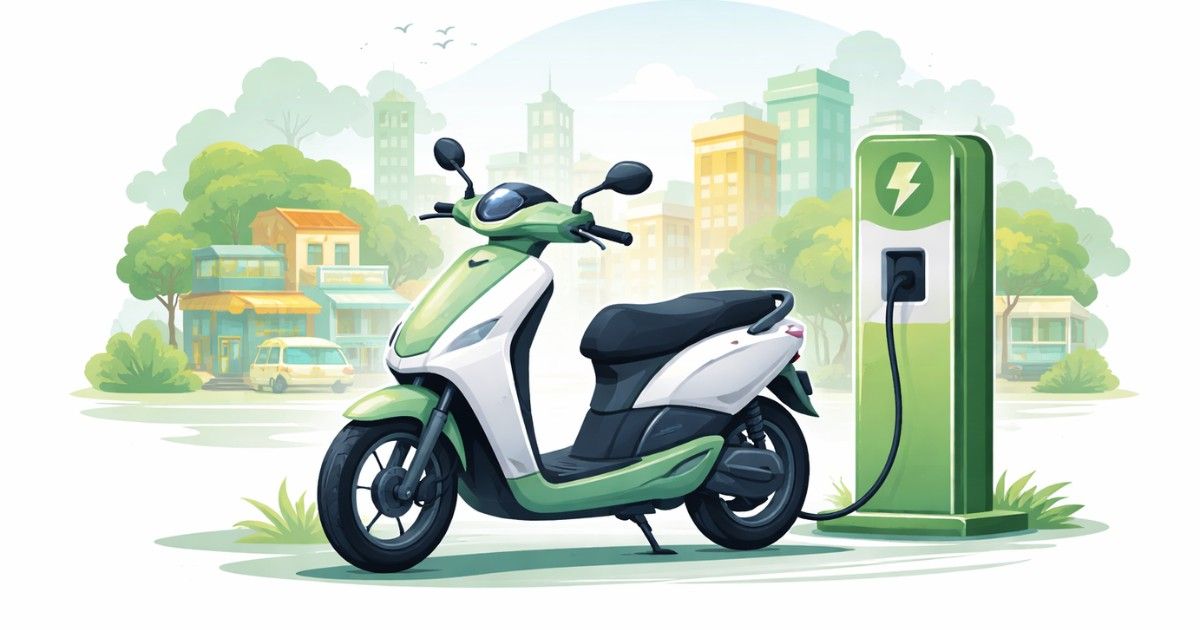
Electric two-wheelers are no longer limited to metro cities. In 2026, a strong shift is visible in Tier-2 and Tier-3 cities across India. Towns like Indore, Lucknow, Coimbatore, Nagpur, Surat, Jaipur, Patna and Mysuru are seeing more electric scooters and bikes on the road.
For years, electric vehicle growth was mainly driven by big cities such as Delhi, Mumbai and Bengaluru. But now, smaller cities are leading the next phase of adoption.
This shift matters because India’s real two-wheeler market lies beyond metros. Nearly 60–70% of India’s two-wheeler sales come from non-metro regions. If electric mobility succeeds here, it changes the entire auto industry.
The question is simple: Why are electric two-wheelers finally winning in Tier-2 and Tier-3 cities?
This report explains the adoption patterns, buyer behavior, pricing trends, charging growth and competition dynamics shaping this transformation.
1. Rising Fuel Prices Are Forcing Cost Calculations
Petrol prices have remained high in most states, often above ₹100 per litre in many cities.
For daily commuters in smaller cities, this makes a big difference.
A typical petrol scooter user may spend:
- ₹2,500 to ₹3,500 per month on fuel
- Higher maintenance due to engine servicing
- Regular oil changes
In comparison, electric scooters cost much less to run.
- Charging cost per month: often ₹300 to ₹600
- Lower maintenance due to fewer moving parts
- No engine oil or clutch repairs
For middle-income families in smaller towns, this cost gap is clear and practical. Buyers are not choosing electric vehicles for trend. They are choosing them to save money.
2. Improved Battery Range Has Reduced “Range Anxiety”
One major reason people avoided electric two-wheelers earlier was low range.
Now, most modern electric scooters offer:
- 80–120 km per charge
- Fast charging options in select models
- Removable battery systems in some variants
In Tier-2 and Tier-3 cities, average daily travel is often 20–40 km. This means a full charge can easily last 2–3 days for many users.
Shorter travel distances in smaller cities make electric vehicles more practical compared to metros where long commutes are common.
3. Government Incentives and State Policies Are Supporting Buyers
Central and state governments continue to support electric vehicle adoption through subsidies and tax benefits.
Many states offer:
- Road tax exemptions
- Registration fee waivers
- Additional state-level EV incentives
- Dedicated EV policies
Even when subsidy structures change, electric two-wheelers remain cost-effective compared to petrol vehicles.
In several states, entry-level electric scooters are priced between:
- ₹75,000 to ₹1.10 lakh (ex-showroom) depending on battery size and brand.
This pricing now competes directly with popular petrol scooters.
4. Local Dealers and Rural Distribution Networks Are Expanding
Earlier, electric scooter brands focused on metros. Service networks were limited.
In 2025 and 2026, brands expanded aggressively into smaller cities.
Dealership growth in Tier-2 and Tier-3 areas has increased. Companies like:
- Ola Electric
- TVS Motor Company
- Bajaj Auto
- Ather Energy
have strengthened retail presence outside metro markets.
This matters because buyers in smaller cities prefer:
- Physical showroom visits
- Test rides
- Local service assurance
- Easy spare parts access
Trust plays a major role in purchase decisions. Improved service networks have reduced hesitation.
5. Financing Options Have Improved Access
Another barrier earlier was upfront cost.
Today, financing options are widely available in smaller cities.
Banks and NBFCs offer:
- Low down payments
- EMIs starting near ₹2,000–₹3,000 per month
- Flexible tenure options
For many families, monthly EMI equals or is lower than petrol expenses. This makes the switch financially logical.
Electric two-wheelers are now treated like regular vehicle purchases rather than experimental products.
6. Competitive Pricing Has Intensified Brand Battles
The competition in 2026 is stronger than ever.
Brands are offering:
- Multiple battery options
- Connected features
- Smart dashboards
- App-based tracking
- Warranty coverage of 3–5 years on batteries
The price gap between electric and petrol scooters has narrowed significantly.
Entry petrol scooters in India typically range from:
- ₹80,000 to ₹1.05 lakh (ex-showroom)
Electric models now sit in the same range.
This pricing parity is changing buyer psychology.
Instead of asking, “Why electric?” many buyers now ask, “Why not electric?”
7. Word-of-Mouth in Smaller Cities Is Powerful
In Tier-2 and Tier-3 cities, community influence is strong.
When early buyers report positive experiences such as:
- Low charging cost
- Smooth ride quality
- Minimal maintenance
- Quiet performance
others notice.
Unlike metros where advertising drives sales, smaller towns rely heavily on:
- Neighbor recommendations
- Local mechanic opinions
- Family discussions
This word-of-mouth effect has helped electric two-wheelers gain steady traction.
Adoption Patterns: Who Is Buying Electric Two-Wheelers?
The buyer profile in smaller cities is becoming clear.
1. College Students
Low running cost and modern design appeal to young riders.
2. Delivery and Gig Workers
Lower daily fuel expense increases savings.
3. Small Business Owners
Shopkeepers and traders prefer low maintenance vehicles.
4. Government Employees
Stable income and practical usage patterns encourage adoption.
The demand is not limited to one income group. It is spreading across segments.
Charging Infrastructure: A Growing but Still Evolving Network
Charging infrastructure in smaller cities is improving but still developing.
Current trends include:
- Home charging remains the primary method
- Apartment societies slowly adding charging points
- Petrol pumps installing EV chargers in select regions
- Local private charging operators emerging
Because two-wheelers require smaller batteries, home charging is usually enough. This reduces dependency on public charging networks.
Competitive Dynamics: Petrol vs Electric in 2026
Petrol scooter makers are not ignoring the trend.
Traditional manufacturers are:
- Launching electric variants
- Expanding battery capacity
- Offering exchange bonuses
Meanwhile, electric-first companies focus on:
- Software updates
- Battery innovation
- Cost reduction
The battle is shifting from “new vs old” to “which offers better value.”
Challenges That Still Remain
Despite growth, some challenges remain:
- Charging infrastructure gaps in rural areas
- Battery replacement cost concerns
- Resale value uncertainty
- Extreme weather impact on range
Buyers still ask questions about long-term reliability. Brands must address these clearly.
Why 2026 Is a Turning Point Year
Several factors are aligning together:
- Better battery technology
- Price competitiveness
- Wider dealership networks
- Improved financing
- Rising fuel costs
Tier-2 and Tier-3 cities represent India’s largest two-wheeler base. Once electric vehicles gain stable ground here, growth can accelerate rapidly.
Industry observers believe the next phase of India’s EV growth will be led by non-metro markets rather than big cities.
What This Means for India’s Auto Industry
The rise of electric two-wheelers in smaller cities signals a deeper shift.
It means:
- EV adoption is moving beyond early adopters
- Electric mobility is becoming mainstream
- Rural and semi-urban markets are ready for change
If adoption continues at the current pace, electric two-wheelers could become a common sight across India’s towns within the next few years.
For manufacturers, the focus is clear:
- Affordable pricing
- Reliable service networks
- Strong battery warranty
- Local trust building
For buyers, the decision is becoming simpler: lower cost, lower maintenance, and practical daily use.
Conclusion: Smaller Cities Are Powering India’s Electric Future
Electric two-wheelers are not just a metro trend anymore.
They are steadily becoming the preferred choice in Tier-2 and Tier-3 cities.
The shift is driven by economics, practicality, competition and expanding infrastructure.
What began as an urban experiment is now evolving into a nationwide transformation.
India’s electric mobility journey will likely be defined not by metros, but by its smaller cities — where the majority of two-wheeler buyers live.
And in 2026, that transformation is clearly underway.
Edited by E. Devanshi Varma
Also Read: 7 Powerful Sustainable Fashion Trends Dominating 2026 as Eco-Conscious Shoppers Drive a Green Shift
Follow us o google news: Click Here