

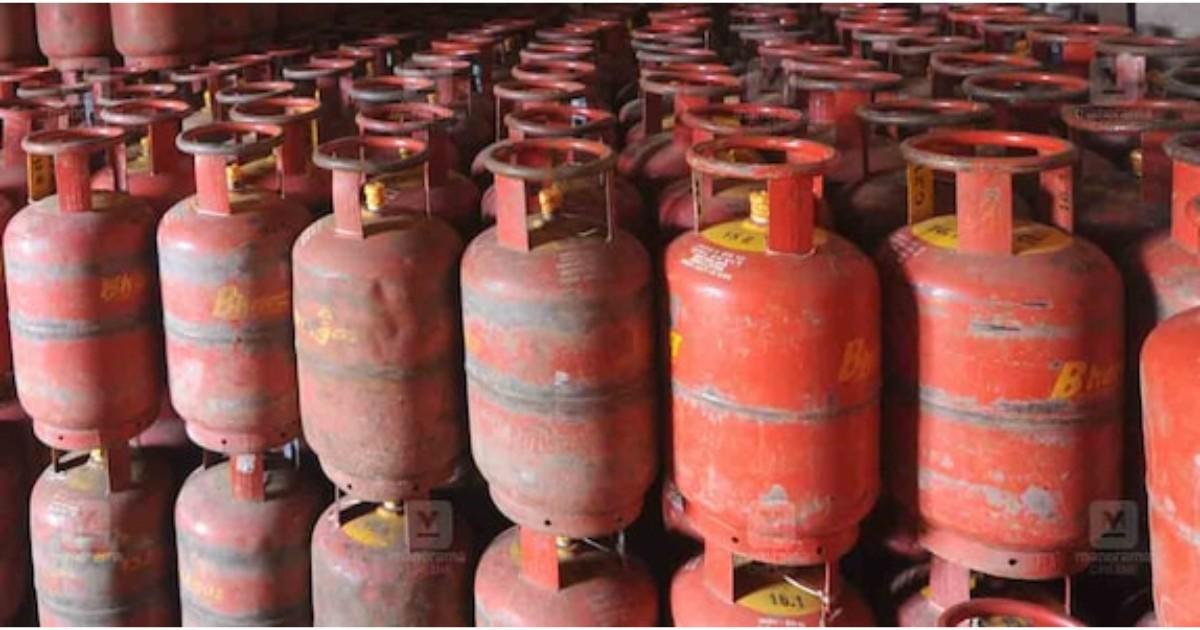
The Kerala government has announced a significant increase in the supply of commercial LPG cylinders, allocating 13,433 cylinders per day to support the hospitality sector and other semi-essential services. The decision, issued on March 30 from Thiruvananthapuram, comes in response to growing concerns over supply shortages that have affected hotels, restaurants, and small-scale food businesses across the state.
This move follows a revision in Kerala’s share of commercial LPG distribution, which has now been increased to 66 percent. Officials say the step is aimed at stabilising supply chains, ensuring uninterrupted services in critical sectors, and reducing operational disruptions in the hospitality industry.
Key Announcements
The government’s latest order introduces a structured and prioritised distribution framework for commercial LPG cylinders:
- 13,433 cylinders per day have been earmarked specifically for hotels and hospitality-related establishments.
- Kerala currently receives approximately 26,160 commercial LPG cylinders daily, indicating a substantial portion has now been directed toward semi-essential sectors.
- The allocation marks an increase of over 5,000 cylinders per day compared to the previous week.
- The state’s commercial LPG share has been raised to 66 percent, enabling broader distribution across sectors.
Authorities have also implemented strict guidelines to ensure equitable distribution, with oil companies and gas agencies directed to adhere closely to sector-wise quotas.
Sector-Wise Distribution Strategy
To manage supply effectively, the government has divided sectors into categories based on urgency and public importance.
Essential and Critical Services
Top priority has been given to institutions that directly impact public welfare. These include:
- Hospitals and healthcare facilities
- Schools and educational institutions
- Crematoriums
- IT and industrial canteens
- Community kitchens
- Subsidised “Subhiksha” hotels
- Old-age homes and orphanages
Ensuring uninterrupted LPG supply to these sectors is critical, as disruptions could directly affect healthcare delivery, food security, and social welfare services.
Semi-Essential Services
The hospitality sector falls under the semi-essential category, which has been allocated 62 percent of the total LPG supply. This includes:
- Hotels and restaurants
- Bakeries
- Catering services
- Fisheries and food processing units
- Pharmaceutical manufacturing units
This classification reflects the sector’s importance in supporting livelihoods, tourism, and local economies, even though it may not fall under emergency services.
Industrial Allocation
Key industrial sectors such as:
- Steel
- Textiles
- Automobiles
- Plastic manufacturing
have also been allocated a 62 percent share, indicating the government’s intent to maintain industrial productivity alongside service sector recovery.
District-Wise Allocation Trends
The distribution of LPG cylinders varies significantly across districts, reflecting differences in population density, industrial activity, and demand.
- Ernakulam receives the highest allocation at 19.39 percent, owing to its status as a commercial and industrial hub with a large concentration of hotels and businesses.
- Kasaragod receives the lowest share at 1.17 percent, consistent with its comparatively smaller demand base.
This district-level allocation is designed to align supply with actual consumption patterns, ensuring that high-demand areas are adequately supported while maintaining baseline availability across the state.
Official Statement
Government officials stated that the increase in LPG allocation is a targeted intervention to address supply constraints that have intensified in recent weeks.
They noted that the hospitality sector, in particular, has been under pressure due to inconsistent LPG availability, which has led to reduced operations and increased costs for businesses. The revised allocation aims to restore stability and enable businesses to function without disruption.
Authorities also emphasised that the structured quota system will prevent hoarding and ensure that supplies are distributed fairly across sectors. Oil marketing companies and gas agencies have been instructed to strictly comply with the new guidelines.
Grievance Redressal Mechanism
To support implementation and address operational challenges, the government has established a dedicated grievance redressal system.
- A toll-free helpline has been set up at the Secretariat war room.
- Hotel owners, restaurant operators, and industry associations can report supply issues directly.
- Officials have assured prompt resolution and immediate corrective action in case of complaints.
This mechanism is expected to improve accountability and provide real-time feedback on the effectiveness of the distribution system.
Context and Background
Kerala has faced periodic challenges in LPG distribution due to fluctuating supply levels, logistical constraints, and rising demand from both domestic and commercial users.
In recent weeks, the hospitality sector reported acute shortages, with many establishments struggling to secure adequate LPG cylinders. This not only affected daily operations but also led to increased dependence on alternative fuels, raising costs and operational inefficiencies.
The state’s decision to increase its commercial LPG share to 66 percent is part of a broader effort to rebalance supply priorities and address these bottlenecks.
The move also comes at a time when the tourism and food service sectors are gradually recovering, making reliable energy supply crucial for sustaining growth.
Why This Matters
The increased LPG allocation carries significant implications for multiple stakeholders:
For the Hospitality Sector
Hotels, restaurants, and small eateries are among the biggest beneficiaries. Reliable LPG supply:
- Ensures uninterrupted cooking operations
- Reduces dependency on costly alternatives
- Helps maintain consistent service quality
- Supports employment in the sector
For small businesses, in particular, stable fuel supply can be the difference between profitability and closure.
For Consumers
Improved LPG availability is likely to:
- Stabilise food prices
- Prevent sudden disruptions in dining services
- Enhance overall consumer experience
This is especially important in urban centres where eating out is a regular part of daily life.
For Industrial Growth
By allocating LPG to key industries, the government is also safeguarding production continuity. This helps:
- Maintain supply chains
- Support manufacturing output
- Protect jobs in industrial sectors
For Public Welfare
Prioritising essential services ensures that critical institutions like hospitals and community kitchens continue to operate smoothly, directly impacting public health and food security.
Implementation Challenges
While the policy aims to streamline distribution, its success will depend on effective execution.
Key challenges include:
- Ensuring compliance by all gas agencies
- Preventing diversion or misuse of allocated cylinders
- Monitoring real-time demand fluctuations
- Addressing logistical bottlenecks in remote areas
The grievance redressal system is expected to play a crucial role in identifying and resolving these issues quickly.
Expert Perspective
Energy and policy analysts suggest that Kerala’s approach reflects a balanced strategy that addresses both immediate shortages and long-term distribution efficiency.
By categorising sectors and assigning quotas, the government has created a structured framework that can be adjusted based on evolving demand.
However, experts also note that sustained improvements will require:
- Enhanced storage and distribution infrastructure
- Better coordination with oil marketing companies
- Periodic review of allocation patterns
Future Outlook
The increase in LPG supply is expected to provide immediate relief to the hospitality sector, but authorities indicate that the situation will continue to be monitored closely.
Future steps may include:
- Further adjustments in allocation based on demand trends
- Expansion of distribution networks
- Integration of digital tracking systems for better transparency
If implemented effectively, the current measures could serve as a model for managing fuel distribution in other states facing similar challenges.
Kerala’s decision to allocate 13,433 commercial LPG cylinders daily marks a significant intervention to address supply shortages and support key sectors of the economy. By prioritising essential services while extending substantial support to the hospitality and industrial sectors, the government has attempted to strike a balance between welfare and economic activity.
The introduction of a structured distribution system and a dedicated grievance mechanism reflects a proactive approach to governance. As the policy takes effect, its success will largely depend on efficient implementation and continuous monitoring.
For businesses and consumers alike, the move offers much-needed relief and signals the state’s commitment to maintaining stability in essential services and economic operations
Inputs and images : Hindusthan Samachar
Edited By E. Devanshi varma
Also Read: UP Government to Disburse ₹3,350 Crore via DBT to 27 Lakh Students and Beneficiaries
Follow us on Google News: Click Here