


Tehran, April 6:
Iran has rejected a warning issued by US President Donald Trump to reopen the strategically vital Strait of Hormuz within 48 hours, intensifying geopolitical tensions in the Middle East and raising concerns over possible military escalation. Iranian officials have made it clear that they will not comply with what they describe as an “ultimatum,” maintaining their position that the waterway will remain closed amid ongoing conflict.
The development comes at a time when the region is already facing heightened instability, with continued military activity and strained diplomatic ties between Iran, the United States, and allied forces. The Strait of Hormuz, a critical global oil transit chokepoint, has now become the focal point of the standoff.
Key Developments
Iran’s leadership responded swiftly and firmly to the US warning, rejecting any suggestion of reopening the Strait under pressure. Officials described the ultimatum as ineffective and emphasized that the country would not alter its strategic decisions in response to threats.
The US administration had reportedly issued a 48-hour deadline, warning of severe consequences if Iran failed to comply. The warning included the possibility of targeted strikes on Iran’s infrastructure, including power generation facilities, should the situation remain unresolved.
Iran, however, has reiterated that it is prepared to defend its sovereignty and respond to any military action. Officials have indicated that any attack on critical infrastructure would be met with retaliation, particularly if civilian areas are affected.
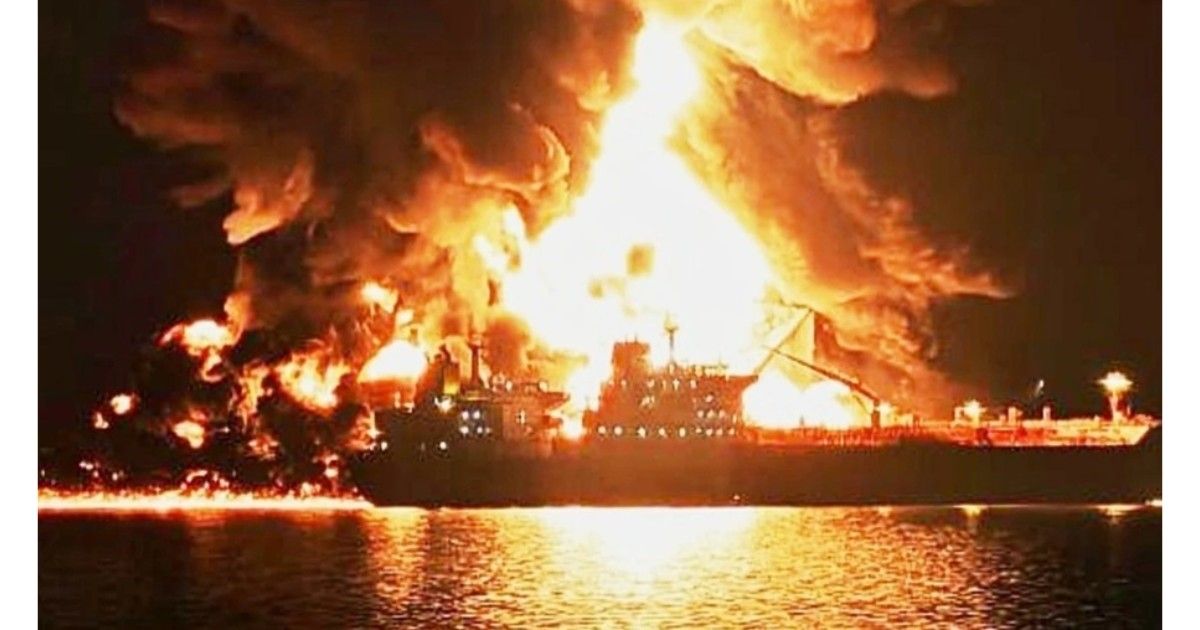
Reports also suggest that ongoing military actions have already resulted in casualties, including strikes on key facilities such as petrochemical plants and nuclear-related sites. These incidents have further contributed to the already volatile situation.
Iran’s Response to the Warning
Iranian authorities have framed the US demand as an attempt to exert pressure during a period of conflict, asserting that such tactics will not succeed. Officials stated that the country is not intimidated by threats and possesses the necessary capabilities to defend itself.
Foreign Ministry spokesperson Ismail Baghaei underscored that Iran’s stance is rooted in national security considerations. He emphasized that the country has consistently demonstrated its willingness to respond decisively to aggression since the beginning of the conflict.
Baghaei also warned that any targeting of civilian infrastructure, including power plants, would provoke a direct response. He added that Iran views such actions as violations of international norms and would act accordingly to protect its interests.
Strategic Importance of the Strait of Hormuz
The Strait of Hormuz is one of the world’s most critical maritime passages, connecting the Persian Gulf to the Arabian Sea. A significant portion of global oil shipments passes through this narrow waterway, making it essential for international energy markets.
Any disruption in the Strait has immediate implications for global oil supply and prices. The closure or restriction of access can lead to increased shipping costs, supply shortages, and broader economic uncertainty.
Iran’s decision to keep the Strait closed is therefore not only a regional issue but one with global consequences. Energy-importing nations, particularly in Asia and Europe, are closely monitoring the situation due to their dependence on oil shipments passing through the route.
Reports of Ongoing Military Activity
Amid the escalating rhetoric, reports indicate continued military engagement in the region. Strikes targeting Iranian infrastructure, including petrochemical sites, have reportedly resulted in casualties.
One of the incidents mentioned involves a strike on a nuclear facility in Bushehr, which reportedly led to at least one fatality. Additional attacks on civilian and industrial sites have also been reported, further complicating the situation.
While details remain limited and independently unverified in some cases, these developments highlight the growing intensity of the conflict and the risks of further escalation.
Diplomatic Tensions and Wider Implications
The standoff between Iran and the United States reflects deeper geopolitical tensions that have been building over time. Disagreements over regional influence, nuclear policy, and military presence have contributed to a fragile relationship between the two countries.
The current situation adds another layer of complexity, as both sides appear unwilling to back down. The use of ultimatums and counter-statements suggests a breakdown in diplomatic communication, increasing the likelihood of miscalculation.
International observers have expressed concern that continued escalation could draw in other regional actors, potentially widening the scope of the conflict. The involvement of allied nations and ongoing military operations further raises the stakes.
Claims and Controversies
In addition to the military and diplomatic developments, there have been reports of actions taken by US authorities involving individuals allegedly linked to Iran. These include claims of detentions and revocation of residency status.
However, those reportedly affected have denied any such connections, adding another layer of dispute to the situation. The lack of clarity around these claims highlights the challenges in verifying information during periods of heightened tension.
Why This Situation Matters
The unfolding crisis is significant for several reasons. First, it directly impacts global energy security due to the strategic importance of the Strait of Hormuz. Any prolonged disruption could have ripple effects on international markets, influencing fuel prices and economic stability.
Second, the situation underscores the risks associated with escalating military rhetoric. The exchange of threats between major powers increases the possibility of conflict, either through direct confrontation or unintended escalation.
Third, the developments highlight the limitations of current diplomatic mechanisms in resolving complex geopolitical disputes. The absence of dialogue and reliance on ultimatums may further entrench positions rather than lead to resolution.
Public and Global Impact
For ordinary citizens, particularly in countries dependent on imported energy, the situation could translate into higher fuel costs and economic uncertainty. Businesses reliant on stable energy supplies may also face challenges.
In the Middle East, the impact is more immediate, with populations in affected areas facing the consequences of military activity. Damage to infrastructure, including power facilities, can disrupt essential services and affect daily life.
Global markets are also sensitive to developments in the region. Even the possibility of disruption in oil supply routes can lead to volatility, affecting not just energy sectors but broader financial systems.
What Lies Ahead
The coming days are likely to be critical in determining the trajectory of the situation. With the US deadline having been rejected, attention will now turn to whether further actions are taken and how Iran responds.
Diplomatic efforts, if any, will play a crucial role in de-escalating tensions. However, the current tone of communication suggests that a resolution may not be immediate.
The international community may seek to intervene or mediate, given the potential global impact of the crisis. Calls for restraint and dialogue are expected to intensify as stakeholders attempt to prevent further deterioration.
For now, the situation remains fluid, with significant uncertainty surrounding the next steps. The continued closure of the Strait of Hormuz and the exchange of warnings between Iran and the United States underscore the fragile state of regional stability and the far-reaching consequences of the ongoing standoff.
Inputs and images : Hindusthan Samachar
Edited By E. Devanshi varma
Also Read: BJP Intensifies Multi-State Poll Push with 3 Key Campaign Tours by Top Leaders
Follow us on Google News: Click Here