

Lucknow, April 14, 2026:
Prime Minister Narendra Modi on Tuesday inaugurated the Delhi-Dehradun Economic Corridor, a major infrastructure project designed to improve connectivity between the national capital, Uttar Pradesh, and Uttarakhand. The project, developed at an estimated cost of ₹12,000 crore, is expected to significantly reduce travel time while enhancing industrial activity and tourism in the region.
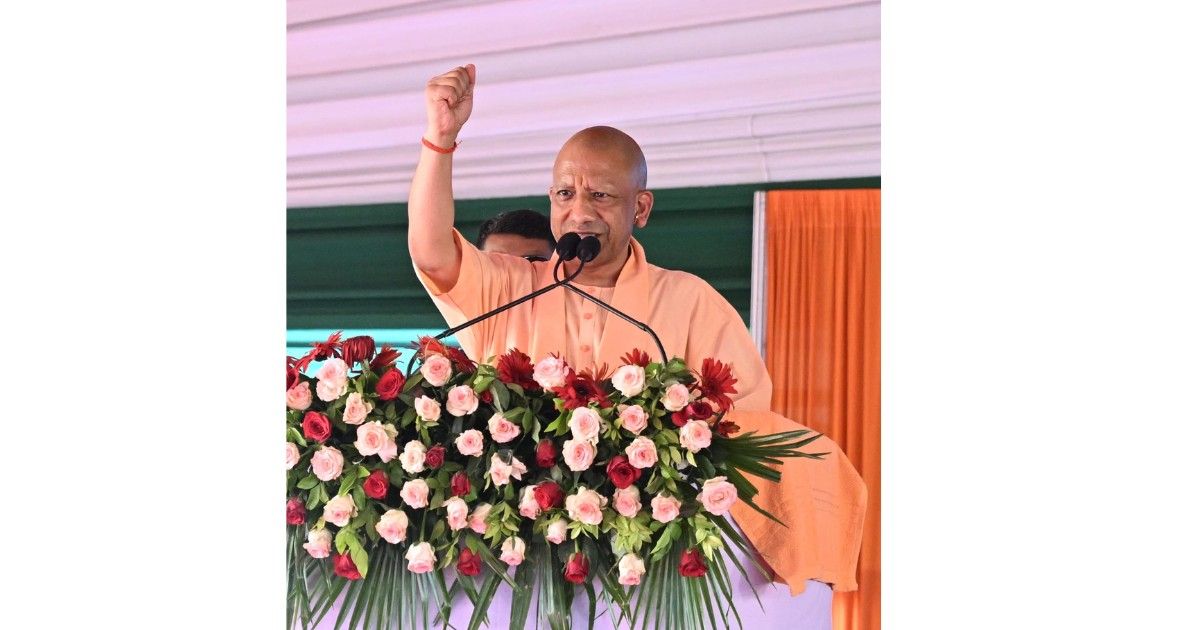
Uttar Pradesh Chief Minister Yogi Adityanath, who has been closely monitoring the progress of the corridor—particularly in Saharanpur district—described the development as a milestone aligned with the state’s long-term economic vision.
Key Highlights of the Delhi-Dehradun Economic Corridor
- The corridor connects Delhi with Dehradun, passing through key regions in western Uttar Pradesh.
- Built at a cost of ₹12,000 crore, it is one of the major infrastructure investments in North India.
- Expected to substantially cut down travel time between Delhi and Dehradun.
- Designed to support industrial growth and boost tourism in adjoining regions.
- Part of broader efforts to modernize road infrastructure under national and state-level development plans.
Official Statement and Government Perspective
Chief Minister Yogi Adityanath highlighted the significance of the project in a public message, calling it a “historic moment” for development and connectivity in Saharanpur and surrounding regions. He emphasized that the corridor is not merely a transportation project but a strategic initiative aimed at fostering economic growth.
According to the Chief Minister, the new route will improve mobility across three key regions—Delhi, Uttar Pradesh, and Uttarakhand—while opening up new opportunities for industries and tourism. He also noted that the project reflects the broader vision of building a “New India” through modern infrastructure and improved logistics.
While government statements have underscored the scale and ambition of the project, officials also point to its role in addressing long-standing transportation challenges, particularly congestion and delays on existing routes.
Strategic Importance Under “Developed UP@2047”
The Delhi-Dehradun Economic Corridor is closely linked to Uttar Pradesh’s long-term development roadmap, known as “Developed UP@2047.” This strategy focuses on transforming the state into a major economic hub by improving infrastructure, attracting investments, and enhancing connectivity.
Western Uttar Pradesh, where a significant portion of the corridor passes, is considered a critical zone for industrial expansion. The region has already seen increased investment in manufacturing, logistics, and warehousing, and improved road connectivity is expected to further strengthen its position.
By reducing travel time and improving access to markets, the corridor is likely to play a key role in integrating regional economies and supporting faster movement of goods and people.
Infrastructure Development and Connectivity Gains
The Delhi-Dehradun Economic Corridor is part of a broader push by the central government to upgrade India’s road infrastructure. Over the past decade, highway development has been a major focus area, with multiple expressways and economic corridors being built to support economic growth.
Improved connectivity between Delhi and Dehradun is expected to benefit not only commuters but also businesses that rely on efficient transportation networks. The corridor is designed to ease congestion on existing routes, which often face heavy traffic, especially during peak travel seasons.
For daily commuters and long-distance travelers, the project promises shorter travel durations and more predictable journey times. This is particularly significant for those traveling between urban centers and hill regions, where road conditions and traffic bottlenecks have historically posed challenges.
Boost to Industrial Activity
One of the key objectives of the corridor is to stimulate industrial development in the regions it connects. Western Uttar Pradesh has been identified as a potential industrial growth zone, and improved infrastructure is expected to attract new investments.
Better road connectivity reduces transportation costs and improves supply chain efficiency, making it easier for businesses to operate and expand. Industries such as manufacturing, logistics, and agro-processing are likely to benefit from faster and more reliable transport links.
The corridor may also encourage the development of industrial clusters along its route, creating new employment opportunities and supporting regional economic growth.
Tourism Potential and Regional Development
In addition to industrial benefits, the Delhi-Dehradun Economic Corridor is expected to have a positive impact on tourism. Dehradun and nearby hill stations are popular travel destinations, and improved connectivity could lead to increased visitor numbers.
Shorter travel times make weekend and short-duration trips more feasible, potentially boosting local tourism-related businesses such as hotels, restaurants, and transport services. The corridor may also improve access to lesser-known destinations in Uttarakhand, supporting more balanced regional tourism development.
For Uttar Pradesh, improved connectivity with Uttarakhand could enhance cross-state tourism flows, benefiting districts along the route.
Saharanpur’s Role in the Project
Saharanpur district in Uttar Pradesh has been a focal point in the final stages of the corridor’s development. The region’s strategic location makes it an important link between Delhi and Uttarakhand.
The Chief Minister’s emphasis on Saharanpur reflects its growing importance in the state’s infrastructure and economic plans. Improved connectivity is expected to bring new opportunities for local businesses and residents, including better access to markets and services.
Public Impact and What It Means for Citizens
For the general public, the Delhi-Dehradun Economic Corridor is expected to bring several tangible benefits:
- Reduced travel time: Faster journeys between Delhi and Dehradun will make commuting and travel more convenient.
- Economic opportunities: Increased industrial activity could lead to job creation and business growth.
- Improved accessibility: Better roads will enhance access to education, healthcare, and other essential services.
- Tourism growth: Easier travel could lead to more tourism-related income for local communities.
These changes are likely to have a cumulative impact on quality of life, particularly in regions that have historically faced connectivity challenges.
Broader Context of National Infrastructure Push
The inauguration of the Delhi-Dehradun Economic Corridor comes amid a broader national focus on infrastructure development. The government has been investing heavily in highways, railways, and urban infrastructure as part of its strategy to drive economic growth.
Economic corridors, in particular, are designed to connect key economic centers and facilitate the movement of goods and people. By linking regions more efficiently, such projects aim to create integrated economic zones that can compete globally.
The Delhi-Dehradun corridor is one of several such initiatives, reflecting a shift towards large-scale, high-impact infrastructure projects.
Future Outlook and Next Steps
With the corridor now operational, the focus is expected to shift toward maximizing its economic potential. This may include developing supporting infrastructure such as industrial parks, logistics hubs, and tourism facilities along the route.
State and central authorities are also likely to monitor the corridor’s impact on travel patterns, economic activity, and regional development. Lessons from this project could inform future infrastructure initiatives across the country.
As India continues to invest in connectivity and infrastructure, projects like the Delhi-Dehradun Economic Corridor are expected to play a central role in shaping the country’s economic landscape over the coming decades.
Inputs and images : Hindusthan Samachar
Edited By E. Devanshi varma
Also Read: Serious Boiler Accident at Koradi Thermal Power Station Leaves 8 Injured During Maintenance
Follow us on Google News: Click Here