

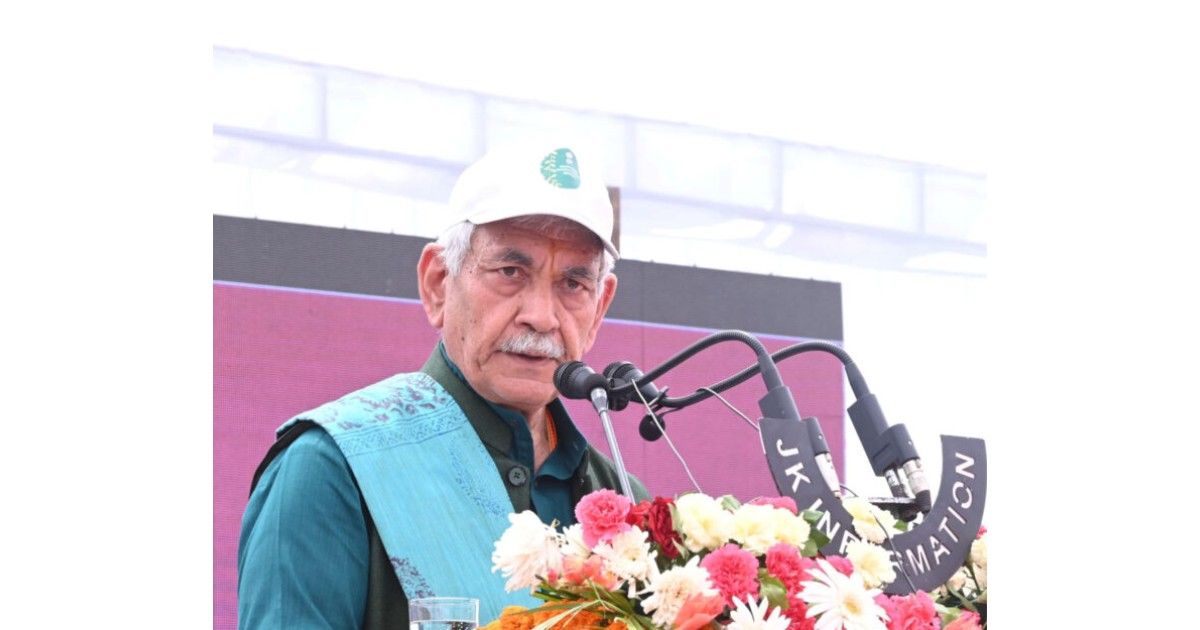
Udhampur, April 27 — Jammu and Kashmir’s ongoing anti-drug campaign received renewed emphasis on Monday as Lieutenant Governor Manoj Sinha called for a Unity societal effort to combat substance abuse. Addressing a large gathering during a padyatra (foot march) held under the ‘Nasha-Mukt Jammu Kashmir Abhiyan’ in Udhampur, Sinha highlighted the urgent need for collective action to safeguard the region’s youth and ensure long-term social stability.
The padyatra saw participation from thousands of residents, including students, civil society members, and local officials. The event marked a significant step in the administration’s broader strategy to mobilize grassroots support against drug addiction, which has increasingly been identified as a pressing social concern in the Union Territory.
Key Announcements and Highlights
During his address, the Lieutenant Governor framed the fight against drug abuse as a shared societal responsibility rather than a challenge for authorities alone. He emphasized that unity and determination would be critical in addressing the issue effectively.
Sinha introduced a focused 83-day campaign period aimed at reshaping public attitudes toward addiction and strengthening community-led interventions. The initiative seeks to increase awareness about the dangers of narcotics, promote early identification of addiction symptoms, and encourage rehabilitation over stigmatization.
The event also featured several activities designed to engage different sections of society. An anti-drug awareness bike rally was flagged off to spread the message across wider areas, while Mini-Olympics were launched to encourage youth participation in constructive and healthy pursuits. Additionally, individuals who had successfully recovered from substance abuse were provided with sanction letters, symbolizing institutional support for rehabilitation and reintegration.
Official Statement
Addressing the gathering, Sinha underscored the importance of unity in tackling the drug menace. He described the campaign as a “shared war against narcotics,” urging citizens to actively participate in protecting their communities.
He stated that the fight against drugs cannot be confined to law enforcement agencies alone and must involve every section of society. According to him, each household, village, and urban center must act as a vigilant unit to prevent the spread of drug abuse.
Sinha also highlighted the need to change societal perceptions about addiction. He stressed that individuals struggling with substance abuse should be treated with compassion and offered pathways to recovery rather than facing social exclusion. Rehabilitation, he noted, must focus on restoring dignity and enabling individuals to reintegrate into society as productive members.
Context and Background
The ‘Nasha-Mukt Jammu Kashmir Abhiyan’ is part of a broader national effort to curb substance abuse and its associated social and economic consequences. Jammu and Kashmir, like several other regions in India, has witnessed growing concerns over drug addiction, particularly among young people.
Experts have pointed out that factors such as unemployment, psychological stress, and cross-border drug trafficking have contributed to the rise in substance abuse cases. The government has responded with a multi-pronged strategy that includes stricter enforcement measures, awareness campaigns, and expanded rehabilitation services.
Previous initiatives under the campaign have focused on school and college outreach programs, counseling services, and community engagement activities. The current phase aims to deepen these efforts by fostering a sense of ownership among citizens and encouraging active participation at the grassroots level.
Public Impact
The renewed push against drug abuse is expected to have far-reaching implications for communities across Jammu and Kashmir. By emphasizing collective responsibility, the campaign seeks to create a supportive environment where individuals and families can work together to prevent addiction and support recovery.
For families, increased awareness about the signs and risks of drug use can enable early intervention, potentially preventing long-term harm. Educational institutions are also likely to play a critical role by integrating awareness programs into their activities and promoting healthy lifestyles among students.
The focus on rehabilitation is particularly significant, as it addresses one of the key challenges in tackling drug abuse—social stigma. By encouraging a compassionate approach, the administration aims to ensure that individuals seeking help are not deterred by fear of judgment or exclusion.
Women and youth have been identified as central to the campaign’s success. Sinha highlighted their role in leading awareness efforts and fostering community resilience. Women, often at the forefront of family and community networks, can play a vital role in identifying and addressing early signs of addiction. Meanwhile, youth-led initiatives can help spread awareness more effectively among peers.
The introduction of sports activities, such as the Mini-Olympics, reflects an effort to channel the energy of young people into positive avenues. Such initiatives not only promote physical well-being but also help build a sense of community and purpose.
Strengthening Awareness and Accountability
A key component of the campaign is the emphasis on awareness as a tool for prevention. Authorities aim to ensure that accurate information about drug addiction reaches every household, enabling people to recognize warning signs and take timely action.
Sinha noted that the threat of drug abuse is not distant but present within communities, making vigilance essential. He called for transforming awareness into accountability, where individuals take proactive steps to address the issue rather than remaining passive observers.
The campaign also seeks to leverage community networks to amplify its impact. Local leaders, educators, and volunteers are expected to play an active role in disseminating information and supporting affected individuals.
Phased Approach to the Campaign
The Lieutenant Governor outlined that the fight against drug abuse would be carried out in phases, each requiring sustained effort and commitment. This phased approach is designed to ensure that progress is monitored and strategies are adapted based on ground realities.
The initial phase focuses on awareness and community mobilization, followed by targeted interventions in high-risk areas. Subsequent phases are expected to strengthen rehabilitation infrastructure and enhance coordination among various stakeholders, including law enforcement agencies, healthcare providers, and community organizations.
Looking Ahead
The renewed emphasis on the ‘Nasha-Mukt Jammu Kashmir Abhiyan’ reflects the administration’s commitment to addressing a complex and deeply rooted social issue. By combining enforcement measures with awareness and rehabilitation efforts, the campaign aims to create a comprehensive framework for tackling drug abuse.
The success of the initiative will largely depend on sustained public participation and the ability to translate awareness into action. As the 83-day campaign progresses, authorities will likely focus on measuring its impact and identifying areas for further intervention.
With a strong call for unity and shared responsibility, the campaign seeks to build a future where young people can pursue their aspirations free from the threat of addiction, and communities can thrive in a healthier and more secure environment.
Inputs and images : Hindusthan Samachar
Edited By E. Devanshi varma
Also Read: Supreme Court Declines Gurugram Demolition Plea, Directs Petitioners to High Court in 5-Point Order
Follow us on Google News: Click Here