


Chandigarh, May 1:
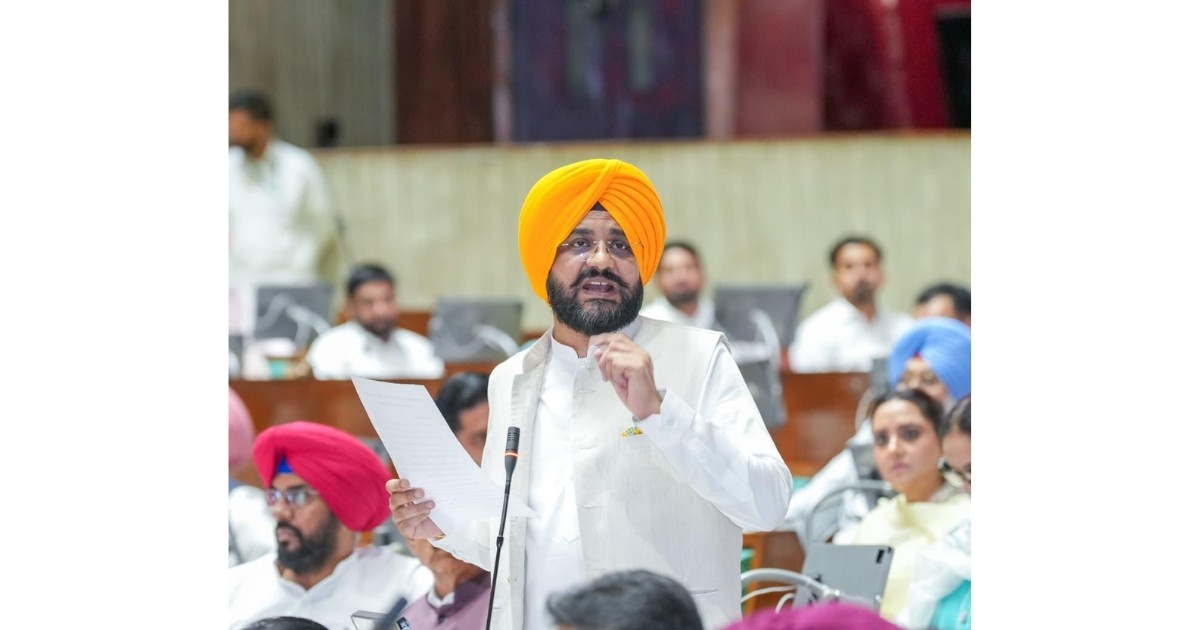
In a significant move aimed at strengthening labour welfare, the Punjab government on Friday proposed a revision of minimum wages, marking International Labour Day with a policy announcement in the state Assembly. Labour Minister Tarunpreet Singh Sond introduced a resolution to increase the base rates of minimum wages by 15 percent, which received unanimous approval during a special session convened to commemorate the day.
The session, held on May 1 and referred to as “Kirti Divas,” underscored the state’s renewed focus on labour rights and economic support for workers. The move comes after more than a decade without any revision in base wage rates, despite periodic adjustments in dearness allowance.
Minimum Wage Revision After Over a Decade
The proposal to increase minimum wages marks the first revision of base rates since 2012. While inflation-linked dearness allowances have been updated over the years, the foundational wage structure had remained unchanged, leading to concerns about stagnating incomes for workers.
Labour Minister Sond highlighted this gap while presenting the resolution, stating that the current step is intended to correct long-standing disparities and align wages more closely with present-day economic realities.
He credited Chief Minister Bhagwant Singh Mann for approving the 15 percent hike, describing it as a necessary intervention to provide relief to labourers facing rising living costs.
Special Assembly Session Highlights Labour Contribution
The special Assembly session itself carried symbolic importance. According to the government, such a session on Labour Day had not been held in nearly seven decades, making it a notable moment in the state’s legislative history.
During the proceedings, members across party lines acknowledged the role of workers in driving Punjab’s economic development. The resolution’s unanimous passage reflected a rare consensus on labour welfare, signaling broad political agreement on the need to improve working conditions and compensation.
Sond emphasized that every infrastructure project, industrial milestone, and agricultural achievement in Punjab is rooted in the efforts of its workforce. He noted that recognizing this contribution through policy action was both timely and essential.
Historical Context and Labour Rights Movement
In his address, the Labour Minister also drew attention to the global origins of Labour Day, referencing the Haymarket Square movement in Chicago in 1886. The movement, which advocated for an eight-hour workday, remains a defining moment in the history of labour rights.
By invoking this historical event, the minister placed Punjab’s wage revision within a broader narrative of workers’ struggles for fair treatment and dignity. He suggested that the state’s decision to revise wages reflects a continuation of that legacy.
Cultural and Ethical Emphasis on Dignity of Labour
The discussion in the Assembly extended beyond economics to include cultural and ethical perspectives on labour. Sond referred to the teachings of Sri Guru Nanak Dev Ji, particularly the principles of “Kirat Karo” (earn through honest work), “Naam Japo” (remember the divine), and “Vand Chhako” (share with others).
These values, he noted, reinforce the dignity of labour and underline the importance of fair compensation. By linking policy decisions to cultural teachings, the government sought to frame the wage hike as both an economic and moral imperative.
Participation and Support Across Political Spectrum
The resolution saw active participation from several ministers and legislators, including Finance Minister Harpal Singh Cheema and Cabinet Minister Lal Chand Kataruchak. MLAs Budh Ram, Labh Singh Ugoke, and Sarvjit Kaur Manuke also contributed to the discussion.
Speakers expressed support for the wage increase and highlighted the need for continued efforts to improve labour conditions. The collective endorsement of the resolution indicated a shared understanding of the challenges faced by workers, particularly in sectors with informal or low-wage employment.
Welfare Initiatives and Broader Policy Direction
In addition to the wage revision, the Labour Minister outlined various welfare measures introduced by the current government for workers. While specific schemes were not detailed in the resolution, the mention of ongoing initiatives suggested a broader policy framework aimed at labour welfare.
These efforts are likely to include social security measures, improved access to benefits, and enhanced enforcement of labour laws. The wage hike can thus be seen as part of a larger strategy to address income inequality and support vulnerable sections of the workforce.
Why This Move Matters
The decision to revise minimum wages carries significant implications for both workers and the state’s economy. For labourers, especially those in unorganized sectors, the increase could translate into improved purchasing power and better living standards.
For the state, higher wages may stimulate consumption, contributing to economic growth. However, the move also raises questions about its impact on industries, particularly small and medium enterprises that may face increased labour costs.
Balancing these factors will be crucial as the government moves toward implementation.
Implementation and Next Steps
While the resolution has been passed, the process of implementing the revised wage structure will involve administrative steps, including formal notifications and updates to labour regulations.
The government is expected to outline the timeline and mechanisms for enforcement in the coming weeks. Ensuring compliance across sectors, particularly in informal employment, will be a key challenge.
Monitoring and evaluation will also play an important role in assessing the effectiveness of the wage hike and identifying areas for further improvement.
Public Impact and Worker Benefits
The primary beneficiaries of the wage revision will be labourers across various sectors, including construction, agriculture, manufacturing, and services. For many workers, especially those earning at or near minimum wage levels, the increase could provide much-needed financial relief.
Higher wages may also help reduce income disparities and improve access to essential services such as healthcare and education. In the long term, better compensation could contribute to enhanced productivity and workforce stability.
At the same time, the success of the policy will depend on its implementation and the extent to which it reaches all eligible workers.
Punjab’s decision to revise minimum wages on Labour Day reflects an effort to address long-standing concerns about worker compensation while acknowledging the central role of labour in economic development. As the state moves toward implementation, the focus will remain on translating this policy decision into tangible benefits for workers and ensuring that the intended impact is realized across sectors.
Inputs and images : Hindusthan Samachar
Edited By E. Devanshi varma
Also Read: Assam Assembly Polls See 7 Major Highlights as Turnout Peaks, Counting Set for May 4
Follow us on Google News: Click Here