

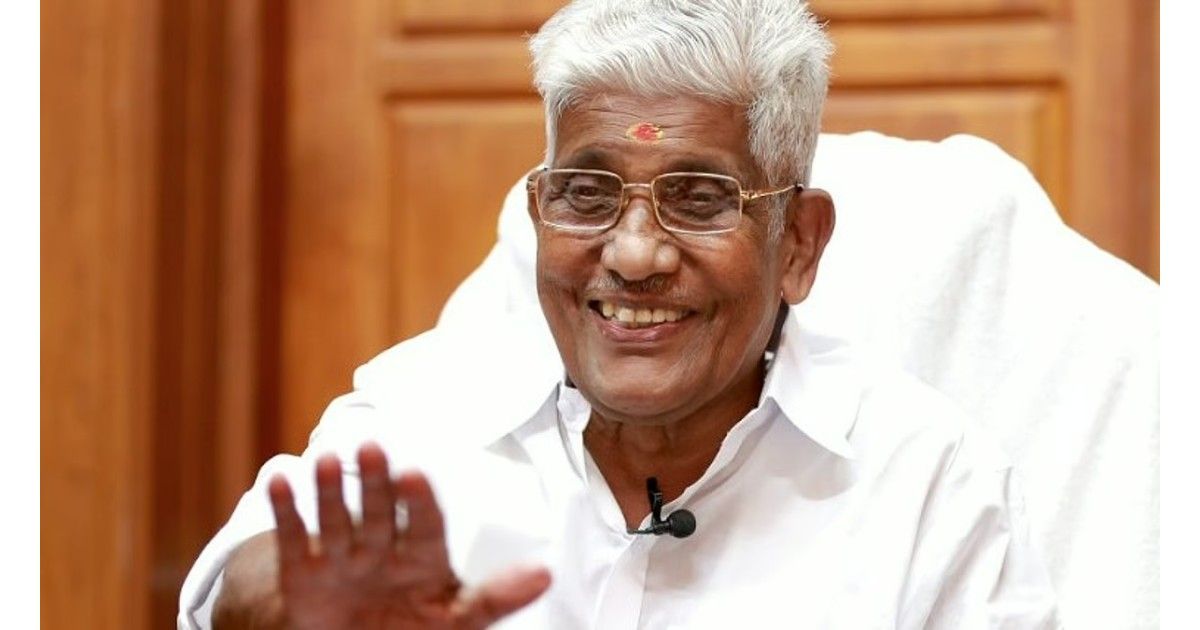
KOTTAYAM, May 6 — The Nair Service Society (NSS), one of Kerala’s most influential community organisations, has clarified that it holds no specific preference regarding who should become the state’s next Chief Minister. Speaking after the Assembly election results, NSS General Secretary G. Sukumaran Nair said the verdict reflected a wider public desire for change, describing it as a “victory of democracy” rather than a straightforward political win for any single alliance.
His remarks come at a time when leadership discussions are intensifying within the Congress-led United Democratic Front (UDF), which is poised to form the next government in Kerala.
Key Announcements / Highlights
- NSS has not endorsed any individual for the Chief Minister’s post.
- The organisation emphasised that the election outcome represents a broader democratic shift.
- Public sentiment, including concerns over past controversies, played a significant role in shaping the results.
- NSS reiterated its position of maintaining equal distance from all political fronts.
- The decision on leadership, it said, should be based on merit and internal party processes.
NSS Distances Itself from Leadership Debate
Addressing the media in Kottayam, Sukumaran Nair stated that the NSS would not interfere in the selection of the next Chief Minister. He stressed that such decisions must be taken by the political leadership concerned, in accordance with established party norms and democratic practices.
“The party leadership should select deserving individuals based on merit and convention. Anyone capable can take up the role,” he said, underlining that the organisation does not intend to influence the process.
His comments effectively distance the NSS from speculation surrounding potential contenders, including senior Congress leaders such as V. D. Satheesan, K. C. Venugopal, and Ramesh Chennithala. While acknowledging their experience and qualifications, he reiterated that the final call rests entirely with the Congress high command.
Election Verdict Seen as Broader Public Mandate
Sukumaran Nair framed the election outcome as a reflection of widespread public sentiment rather than a traditional partisan victory. According to him, voters from diverse backgrounds came together to express their desire for a change in governance.
He cautioned the Congress against interpreting the results as support solely from its traditional voter base. “A large section of the public has contributed to this outcome. It is not limited to one group or ideology,” he said.
This observation highlights a broader trend in Kerala politics, where electoral outcomes often reflect shifting alliances and issue-based voting rather than rigid party loyalties.
Concerns Over Previous Government Influenced Voters
While refraining from overt political criticism, the NSS leader pointed to lingering public concerns during the tenure of the Left Democratic Front (LDF) government. Among these, the Sabarimala controversy was referenced as a significant issue that resonated with many voters.
He indicated that such matters were not viewed purely through a political lens. Instead, they reflected deeper societal and cultural concerns that influenced public opinion.
“People had concerns, but they were not just political concerns. They were expressions of broader sentiments,” he explained.
The Sabarimala issue, which revolved around the entry of women of certain age groups into the temple, had triggered widespread debate across Kerala and beyond. For many voters, it became symbolic of the relationship between governance, tradition, and public sentiment.
NSS Maintains Equidistance from Political Fronts
Reiterating the organisation’s long-standing position, Sukumaran Nair said the NSS has consistently maintained equal distance from all major political alliances in the state. He noted that the organisation has had cordial relations with both the UDF and the LDF at different times.
This stance, he said, reflects the NSS’s broader commitment to representing community interests without aligning itself with any particular political ideology.
“We have not directed anyone on how to vote. Democracy is more important than community-based considerations,” he added.
The clarification comes amid frequent speculation about the political leanings of influential community organisations in Kerala, which are often seen as playing a role in shaping electoral outcomes.
Congress Urged to Recognise Wider Support Base
Sukumaran Nair also offered a note of caution to the Congress leadership as it prepares to assume power. He emphasised that the party should recognise the diversity of support that contributed to its electoral success.
According to him, many voters who may not traditionally align with the Congress chose to back the UDF as a means of expressing their desire for change.
This perspective underscores the importance of inclusive governance, particularly in a politically diverse state like Kerala. It also suggests that the incoming government may need to address a broader range of expectations beyond its core support base.
Context / Background
The NSS is one of Kerala’s most prominent socio-cultural organisations, representing the Nair community. Founded in 1914, it has historically played a role in social reform, education, and community mobilisation.
While the organisation does not formally participate in electoral politics, its statements often attract attention due to its influence among sections of the electorate.
Kerala’s political landscape is traditionally dominated by two major alliances: the UDF, led by the Congress, and the LDF, led by the Communist Party of India (Marxist). Power has alternated between these fronts over the decades, making electoral outcomes closely watched indicators of public sentiment.
The recent election results, which have brought the UDF back into power, mark a significant shift after the LDF’s tenure. Analysts suggest that a combination of governance issues, public perception, and local concerns contributed to this outcome.
Public Impact
The NSS’s neutral stance is likely to reinforce the perception that the Chief Ministerial decision will be driven primarily by internal party dynamics rather than external pressure.
For the public, the organisation’s emphasis on democratic values and merit-based leadership selection may resonate as a call for transparent and accountable governance.
Its comments also highlight the broader expectations placed on the incoming government. With support coming from a wide spectrum of voters, the new administration may face pressure to deliver on issues that cut across community and political lines.
These include governance reforms, economic development, and addressing social concerns that have shaped recent political discourse in the state.
Leadership Decision Remains Internal to Congress
As discussions continue within the Congress, the question of leadership is expected to be resolved through consultations among senior leaders and the party high command.
Sukumaran Nair’s remarks suggest that external endorsements or pressures are unlikely to play a decisive role in this process. Instead, the focus remains on internal consensus and established party practices.
This approach aligns with the broader democratic framework, where elected representatives and party structures determine leadership outcomes.
Outlook for the New Government
With the election results signalling a shift in public sentiment, the incoming government faces the task of translating this mandate into effective governance.
The NSS’s observations serve as a reminder that the mandate extends beyond party lines. It reflects a collective expectation for change, accountability, and responsiveness.
As the leadership question is settled and the new Cabinet takes shape, attention will likely turn to policy priorities and governance strategies.
The coming weeks are expected to provide greater clarity on the direction the new administration intends to take, as well as how it plans to address the concerns and aspirations expressed by voters across Kerala.
Inputs and images : Hindusthan Samachar
Edited By E. Devanshi varma
Also Read: Assam Assembly Polls See 7 Major Highlights as Turnout Peaks, Counting Set for May 4
Follow us on Google News: Click Here