

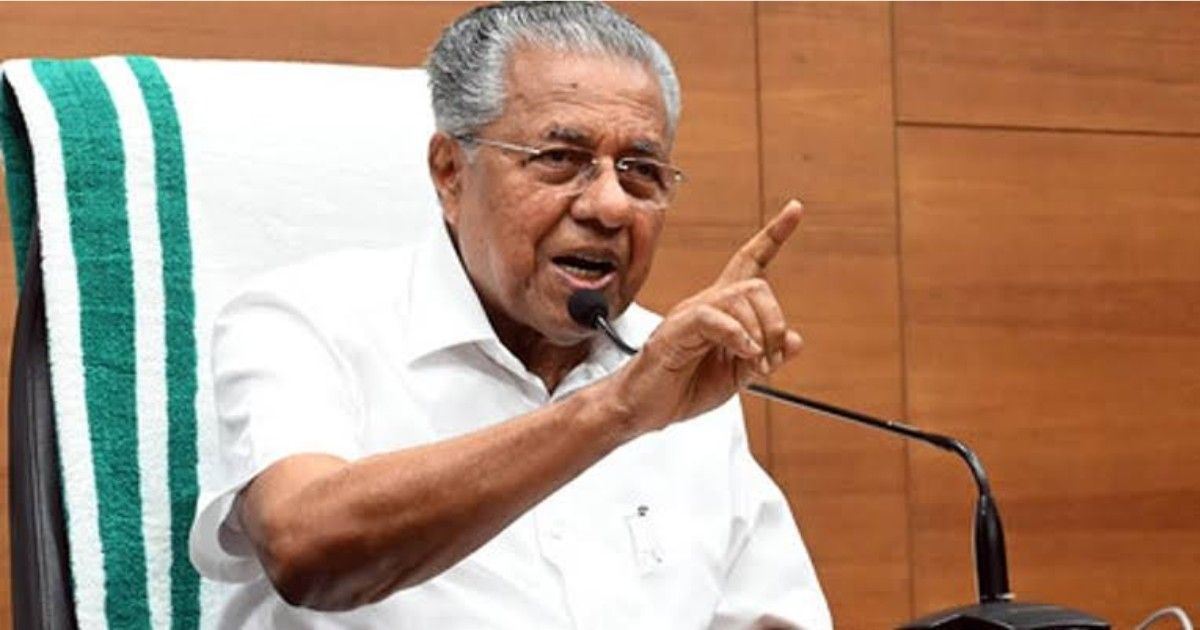
Thiruvananthapuram, May 6: In the aftermath of a significant electoral defeat in the Kerala Assembly elections, the Communist Party of India (Marxist), or CPI(M), is witnessing internal deliberations over its leadership strategy in the opposition benches. According to party sources, a strong section within the leadership is backing Pinarayi Vijayan to take on the role of Leader of the Opposition in the newly constituted Assembly.
The development comes after the Left Democratic Front (LDF), led by the CPI(M), lost power following a decade-long tenure in the state. While the defeat has triggered introspection within the party, it has also prompted a debate on whether continuity in leadership could aid the Left’s political recovery.
Internal Discussions Gain Momentum
Conversations within the CPI(M) have reportedly intensified in recent days, with senior leaders weighing the implications of leadership changes after an electoral loss. A dominant view emerging from these discussions suggests that replacing a seasoned leader like Vijayan immediately after a defeat may not serve the party’s long-term interests.
Leaders familiar with the internal proceedings indicate that many within the party believe Vijayan remains central to the Left’s political strategy in Kerala. His continued presence in a leadership role is being seen as a stabilising factor at a time when the party is reassessing its electoral approach and organisational priorities.
The debate reflects a broader ideological stance within the CPI(M), where electoral outcomes are often viewed as part of a longer political cycle rather than decisive endpoints. This perspective appears to be shaping the party’s current thinking as it navigates its transition from governance to opposition.
Leadership Continuity Versus Change
The question of who should lead the opposition in the Assembly has brought into focus the balance between accountability and continuity. Some leaders reportedly argue that asking Vijayan to step aside could signal that the party attributes the electoral defeat solely to his leadership. Others contend that such a move might undermine internal cohesion at a time when unity is critical.
Supporters of Vijayan emphasise that leadership continuity could help the party maintain a coherent political narrative and effectively challenge the incoming government. They argue that abrupt changes may disrupt the party’s organisational rhythm and weaken its ability to respond to evolving political dynamics.
At the same time, the discussions also highlight the presence of alternative leadership options within the CPI(M). Senior leader K. N. Balagopal has been mentioned as a potential candidate for the role, reflecting the party’s bench strength. However, many within the leadership reportedly believe that Vijayan’s experience gives him an edge in navigating the complexities of opposition politics.
Vijayan’s Political Experience in Focus
Pinarayi Vijayan remains one of the most prominent figures in Kerala’s political landscape. With a career spanning nearly three decades, he has held multiple organisational and administrative roles within the CPI(M) and the state government.
He served as Kerala’s Chief Minister for ten years, leading two consecutive terms of the LDF government. During this period, his administration dealt with a range of challenges, including natural disasters, public health crises, and economic pressures. Supporters within the party argue that this experience equips him to play a critical role in holding the new government accountable.
In legislative settings, the Leader of the Opposition is responsible for scrutinising government policies, raising public issues, and presenting alternative viewpoints. Party leaders backing Vijayan believe that his familiarity with governance and policy-making positions him well for this role.
Changing Political Landscape in Kerala
The CPI(M)’s internal discussions are unfolding against the backdrop of a shifting political environment in Kerala. The United Democratic Front (UDF), led by the Congress, has returned to power with a renewed mandate. The transition marks the end of a decade-long period of Left governance in the state.
Political observers note that the UDF’s victory reflects voter expectations for change, as well as the effectiveness of its campaign strategy. For the CPI(M), the challenge now lies in rebuilding public trust and redefining its political messaging.
In this context, the choice of Leader of the Opposition assumes added significance. The role will not only involve legislative responsibilities but also shape the party’s public engagement and electoral positioning in the coming years.
Why This Decision Matters
The decision on opposition leadership is likely to have implications beyond the Assembly. It will influence how the CPI(M) approaches its organisational restructuring and prepares for future elections.
A leadership choice in favour of Vijayan could signal the party’s emphasis on experience and continuity. It may also indicate confidence in his ability to guide the Left through a period of political recalibration. On the other hand, opting for a new face could reflect an attempt to project change and adapt to evolving voter expectations.
For the public, the effectiveness of the opposition plays a crucial role in ensuring democratic accountability. A strong opposition can scrutinise government decisions, highlight policy gaps, and represent diverse viewpoints within the legislative framework.
Official Position Awaited
As of now, the CPI(M) has not made an official announcement regarding its choice for the Leader of the Opposition. Party leaders are expected to continue consultations over the next few days before arriving at a final decision.
While internal consensus appears to be building in favour of Vijayan, the leadership is likely to consider multiple factors, including legislative strategy, public perception, and organisational dynamics.
What Lies Ahead
The coming days are expected to be critical for the CPI(M) as it finalises its leadership structure in the Assembly. The decision will set the tone for the party’s role in opposition and its broader political direction in Kerala.
With the UDF preparing to assume office, the Assembly is set to witness a new phase of political engagement. How effectively the CPI(M) adapts to its changed role will depend, in part, on the leadership choices it makes now.
Inputs and images : Hindusthan Samachar
Edited By E. Devanshi varma
Also Read: Assam Assembly Polls See 7 Major Highlights as Turnout Peaks, Counting Set for May 4
Follow us on Google News: Click Here