
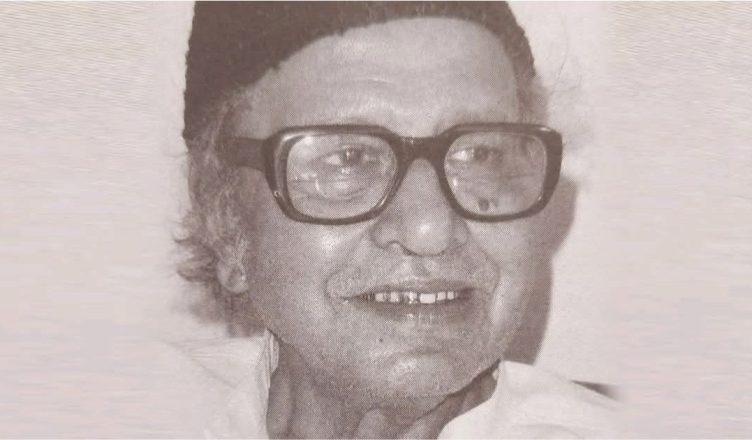
GUWAHATI, March 31 — Assam Chief Minister Himanta Biswa Sarma on Tuesday paid tribute to noted Assamese poet, lyricist, and literary figure Keshab Mahanta on his death anniversary, recalling his lasting influence on the state’s cultural and literary heritage.
Marking the occasion through a public message, the Chief Minister acknowledged Mahanta’s role in shaping Assamese literature and music, emphasizing that his works continue to inspire audiences across generations.
Remembering a Literary Stalwart
Keshab Mahanta is widely regarded as one of the most influential voices in Assamese literature and music. Known for his poetic depth and lyrical compositions, Mahanta’s works reflect a strong connection with nature, human emotions, and the socio-cultural fabric of Assam.
In his tribute, Sarma noted that Mahanta’s creative contributions elevated Assamese artistic expression to new heights. His songs and poems, often rooted in simplicity yet layered with profound meaning, remain relevant even decades after they were written.
The Chief Minister described Mahanta as a figure whose artistic brilliance transcended time, making his work accessible and meaningful to both older and younger generations.
Key Highlights from the Chief Minister’s Tribute
1. Recognition of Literary Excellence
Sarma highlighted Mahanta’s contribution as a literary pioneer who helped define modern Assamese poetry and songwriting. His works are still studied, performed, and celebrated in cultural circles.
2. Influence on Assamese Music
Beyond poetry, Mahanta played a significant role in shaping Assamese music through his lyrics. His compositions have been widely adapted into songs that continue to resonate with listeners.
3. Emotional and Cultural Depth
The Chief Minister emphasized that Mahanta’s writings captured universal human emotions while staying deeply rooted in Assamese traditions and landscapes.
4. Enduring Legacy
Sarma pointed out that Mahanta’s legacy remains alive through his body of work, which continues to inspire artists, writers, and scholars.
5. Cultural Significance
The tribute underscored Mahanta’s role in preserving and enriching Assam’s cultural identity through literature and music.
Official Statement Reframed
In his message, the Chief Minister stated that Keshab Mahanta’s contribution to Assamese literature and music is unparalleled. He noted that Mahanta’s works, characterized by their emotional richness and connection to nature, continue to touch the hearts of people.
Sarma further added that Mahanta’s legacy would remain a source of inspiration for future generations. He expressed that the people of Assam would always remember and honor his contributions with deep respect.
The Chief Minister also conveyed his condolences while paying homage, acknowledging that Mahanta’s creations will remain an integral part of the state’s cultural heritage.
Context and Background
Keshab’s influence extends beyond individual works, as he contributed to a broader movement that shaped Assamese literature in the 20th century. His writings often reflected themes of identity, belonging, and the natural beauty of Assam, making them culturally significant.
Assamese literature has historically played a key role in preserving regional identity, particularly during periods of social and political change. Writers like Mahanta helped bridge traditional storytelling with modern literary forms, ensuring that cultural narratives remained relevant.
HIs work also coincided with a period when regional literature across India was gaining recognition. His ability to blend local themes with universal appeal allowed his work to reach a wider audience.
Over the years, his poems and lyrics have been included in academic curricula, cultural programs, and public performances, further cementing his place in Assam’s literary canon.
Why This Tribute Matters
Commemorating literary figures like Keshab serves multiple purposes beyond remembrance. It reinforces the importance of cultural preservation and highlights the role of literature in shaping societal values.
In an era of rapid digital transformation, such tributes help bring attention back to foundational cultural works. They also encourage younger generations to engage with regional literature, which is often overshadowed by mainstream or global content.
The Chief Minister’s public acknowledgment reflects the government’s broader effort to recognize and promote Assam’s cultural heritage. By highlighting figures like Keshab, the state underscores the importance of maintaining a connection to its artistic roots.
Public and Cultural Impact
For Writers and Artists
Keshab’s work continues to inspire contemporary poets, lyricists, and musicians. His approach to blending emotion with cultural identity serves as a model for creative expression.
For Students and Academics
His writings are often included in educational syllabi, providing students with insights into Assamese literature and its evolution.
For General Public
Keshab’s songs and poems remain a part of everyday cultural life in Assam, performed at events and remembered through various artistic platforms.
For Cultural Institutions
Tributes like these often lead to renewed interest in archiving, studying, and promoting regional literature.
The Role of Literature in Cultural Identity
Literature plays a critical role in shaping and preserving cultural identity. In states like Assam, where linguistic and cultural diversity is significant, literary figures help maintain a sense of unity and continuity.
Keshab’s works are an example of how literature can reflect both individual creativity and collective identity. His ability to capture the essence of Assamese life has made his writings timeless.
Such contributions also highlight the importance of regional languages in India’s cultural landscape. As globalization continues to influence cultural consumption, preserving local literary traditions becomes increasingly important.
Continued Relevance in Modern Times
Despite changes in literary trends and mediums, Keshab’s works continue to hold relevance. Themes of nature, human relationships, and cultural identity remain universal, allowing his writings to resonate with contemporary audiences.
Digital platforms and cultural initiatives have also made it easier to revisit and rediscover his work. Performances, adaptations, and discussions around his writings ensure that his legacy remains active rather than confined to history.
Government and Cultural Recognition
The acknowledgment by the Chief Minister reflects a broader pattern of recognizing cultural icons at the state level. Such gestures not only honor individuals but also contribute to the promotion of regional heritage.
Cultural recognition can also influence policy decisions, such as funding for literary programs, preservation of archives, and promotion of regional arts.
By paying tribute to , the state leadership signals its commitment to preserving and celebrating Assam’s cultural legacy.
Looking Ahead
As Assam continues to evolve socially and economically, maintaining a strong cultural foundation remains essential. Figures like Keshab Mahanta provide a link between the past and the present, offering inspiration for future generations.
Efforts to document, study, and promote his work are likely to continue, ensuring that his contributions are not only remembered but actively integrated into contemporary cultural discourse.
The Chief Minister’s tribute serves as a reminder of the enduring power of literature and the importance of honoring those who have shaped a region’s cultural identity.
His legacy, reflected in his poetry and songs, continues to live on—both in the hearts of people and in the cultural fabric of Assam.
Inputs and images : Hindusthan Samachar
Edited By E. Devanshi varma
Also Read: Jangipara Election Battle 2026: 4-Way Contest Pits Experience Against Grassroots Appeal
Follow us on Google News: Click Here
Last Updated on: Tuesday, March 31, 2026 1:51 pm by E. Devanshi Varma | Published by: E. Devanshi Varma on Tuesday, March 31, 2026 1:51 pm | News Categories: News
About The Author
