
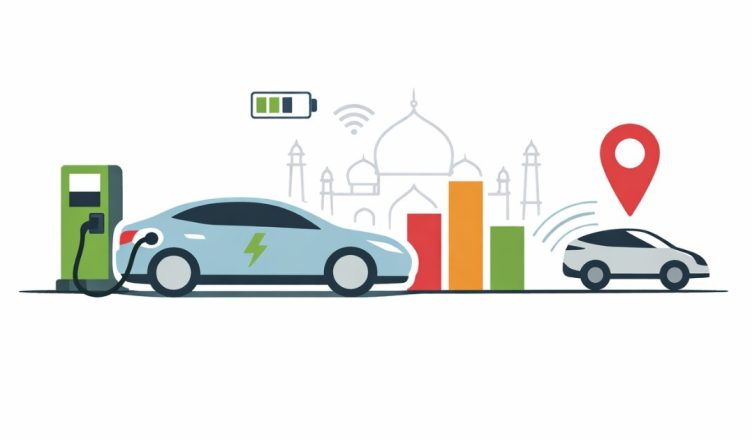
Search data trends show growing interest in terms like “best EV car under ₹15 lakh,” “EV range in real world,” “fast charging time,” and “EV subsidy 2026.”
The shift is no longer limited to metro cities. Tier-2 and Tier-3 markets are also seeing strong demand.
Here is a detailed look at the 2026 EV market in India, the top electric car models, major technology trends, and what buyers really want before making a purchase decision.
Why 2026 Is a Crucial Year for India’s EV Market
India’s EV journey has been gradual but steady. In 2026, three major factors are driving momentum:
- More affordable models under ₹15 lakh
- Improved real-world driving range
- Expansion of public charging stations
Government policies continue to support electric mobility. State-level incentives remain active in many regions. At the same time, global carmakers are increasing their India focus.
Buyers are now comparing EVs not just with petrol cars, but with other EVs. This shows market maturity.
Top EV Models in India in 2026
Several electric cars are leading buyer searches this year. These models dominate online comparisons, booking inquiries, and dealership visits.
1. Tata Nexon EV
- Price range: Around ₹14 lakh – ₹19 lakh (ex-showroom, variant-based)
- Claimed range: Over 400 km (select variants)
- Why it trends: Strong brand trust and wide service network
The Nexon EV continues to be one of India’s most searched electric SUVs. Buyers look for real-world range reviews and long-term ownership costs.
2. MG ZS EV
- Price range: Around ₹18 lakh – ₹25 lakh
- Claimed range: 450+ km (variant-based)
- Search trend: “Premium EV under ₹25 lakh”
This model appeals to buyers who want more features and a longer range. Searches related to ADAS features, battery warranty, and resale value are rising.
3. Hyundai Kona Electric
- Price range: Around ₹23 lakh and above
- Focus: Technology and refined driving experience
Though priced higher, the Kona Electric remains popular among urban professionals. Online searches focus on charging speed and battery durability.
4. Mahindra XUV400 EV
- Price range: ₹15 lakh – ₹18 lakh (approx.)
- Strength: Competitive pricing and SUV styling
The XUV400 EV is often compared directly with the Nexon EV. Search intent includes “XUV400 vs Nexon EV 2026 comparison.”
Major EV Technology Trends in 2026
1. Faster Charging Gains Importance
One of the top search queries in 2026 is: “How long does an EV take to charge?”
Buyers now expect:
- DC fast charging support
- 10% to 80% charging within 45–60 minutes
- Better home charging solutions
Car manufacturers are highlighting improved charging times in new launches.
2. Real-World Range Becomes Key
Indian consumers are no longer satisfied with brochure numbers.
Searches for:
- “EV real range in city”
- “Highway range test”
- “EV range with AC on”
This shows buyers want honest performance data.
Range anxiety is reducing, but buyers still want at least 350–450 km practical range for peace of mind.
3. Battery Warranty and Safety Awareness
Battery replacement cost is a major concern.
Many manufacturers now offer:
- 8-year battery warranty
- Kilometre-based coverage
Buyers are checking warranty terms before booking. Safety ratings are also becoming important in EV comparisons.
4. Connected Car Features and Software Updates
Smart dashboards, large touchscreens, and app-based monitoring are standard in 2026.
Trending search terms include:
- “EV with connected features”
- “Over-the-air updates India”
- “EV remote control app”
Technology is now a major selling point.
What Indian Buyers Are Searching For in 2026
Online search patterns reveal clear buying priorities.
Affordable Electric Cars Under ₹15 Lakh
Price remains the biggest factor.
Buyers want:
- Lower EMI options
- Government incentives
- Low maintenance cost
Budget EVs attract strong interest, especially in Tier-2 cities.
Charging Infrastructure in Their City
Search queries like:
- “EV charging stations near me”
- “Fast charger in Pune”
- “Public EV charger Delhi map”
Charging access plays a direct role in buying decisions.
Running Cost Comparison: EV vs Petrol
Many users search:
- “EV cost per km in India”
- “Petrol vs EV savings 5 years”
EVs are seen as long-term cost savers. Lower servicing expenses also attract attention.
Growth Beyond Metro Cities
EV adoption is expanding beyond Delhi, Mumbai, Bengaluru, and Hyderabad.
Dealers report increasing inquiries from:
- Jaipur
- Lucknow
- Coimbatore
- Indore
Smaller cities are benefiting from improved road infrastructure and awareness campaigns.
Challenges Still Facing the EV Market
Despite strong growth, challenges remain:
- Limited fast charging in rural areas
- Higher upfront cost compared to entry-level petrol cars
- Battery recycling awareness
However, industry experts expect improvements in charging density and localized battery production over the next few years.
Policy Support and Industry Expansion
India continues to promote electric mobility through:
- Production-linked incentives
- State-level EV subsidies
- Focus on domestic battery manufacturing
Several global manufacturers are also increasing their India investments in 2026.
More competition is likely to bring:
- Better pricing
- Improved battery technology
- More body styles including compact SUVs and hatchbacks
What to Expect in the Second Half of 2026
The EV market may see:
- New launches in the ₹10–15 lakh segment
- Longer range battery packs
- Faster charging infrastructure expansion
- Entry of new international brands
Buyers are waiting for better value and more choices.
2026 Marks a Turning Point for EV Buyers
India’s EV market in 2026 is more competitive, technology-driven, and buyer-focused than ever before.
Search trends clearly show that Indian consumers want:
- Practical range
- Faster charging
- Affordable pricing
- Strong warranty support
Electric cars are no longer niche products. They are becoming mainstream options for daily use.
As infrastructure grows and prices gradually stabilize, 2026 could prove to be a defining year for electric mobility in India.
For buyers, the key is to compare carefully, check charging access in their city, and evaluate long-term savings.
For manufacturers, the message is clear: range, reliability, and real-world value matter most.
How Financing, Insurance and Resale Value Are Shaping EV Decisions in 2026
Another major factor influencing EV buying decisions in 2026 is financing and ownership planning.
Banks and NBFCs are now offering special EV loan interest rates, often slightly lower than standard car loans. Many lenders promote green mobility schemes with flexible EMI options. Buyers are actively searching for:
- “Lowest EMI EV 2026”
- “Best EV car loan interest rate India”
- “Zero down payment electric car”
This shows that affordability is not just about sticker price, but also monthly cost.
Insurance premiums for EVs are also becoming a key comparison point. Since battery packs are expensive, comprehensive coverage is important. Buyers are checking:
- Battery protection add-ons
- Roadside assistance
- Coverage for charging equipment
Insurance companies are gradually designing EV-specific plans, which adds confidence among first-time buyers.
Resale Value and Long-Term Ownership Concerns
In 2026, resale value has become a common online search topic.
People want to know:
- “Do EVs have good resale value?”
- “Battery health after 5 years”
- “EV resale market India”
As more used electric cars enter the market, resale trends are becoming clearer. Certified pre-owned EV programs are also helping build trust.
The Road Ahead for Indian Buyers
The Indian EV market is no longer driven by early adopters alone. It now includes families, office commuters, and small business owners.
With better financing, growing charging networks, and improved battery warranties, EVs are moving closer to becoming a practical mass-market choice.
For buyers in 2026, the decision is less about “whether to go electric” and more about which EV offers the best overall value.
Also Read: Healthy Eating Trends 2026: Top Food Concepts Indians Are Searching For Now
Follow us on google news: Click Here
Last Updated on: Thursday, February 19, 2026 8:42 pm by News Estate Team | Published by: News Estate Team on Thursday, February 19, 2026 8:42 pm | News Categories: News
About The Author
