
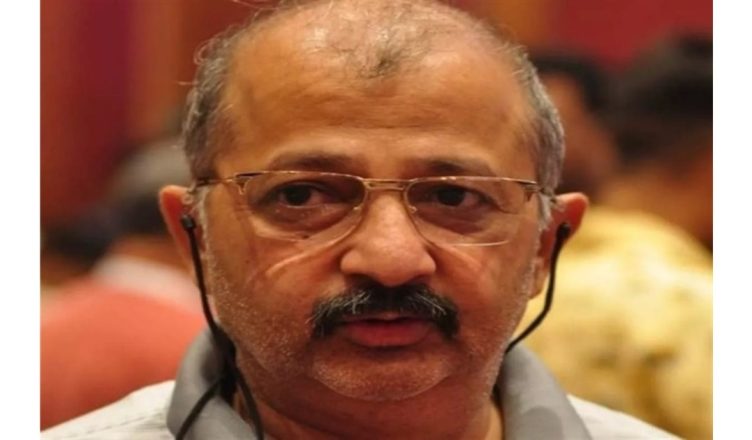
New Delhi, April 8: A political controversy has emerged in the final phase of election campaigning in Assam following the circulation of a purported letter allegedly issued in the name of the Rashtriya Swayamsevak Sangh (RSS). The letter, claimed to be addressed by RSS chief Mohan Bhagwat to Prime Minister Narendra Modi, has been dismissed as fake by BJP leader Rajiv Tuli, who accused the Congress of engaging in misinformation tactics.
The development comes amid heightened political tensions in the state, where campaigning has intensified ahead of polling. While the authenticity of the letter has not been independently verified, the issue has quickly become a flashpoint between the Bharatiya Janata Party (BJP) and the Congress.
Key Announcements / Highlights
- BJP leader Rajiv Tuli alleged that a fake letter was circulated in the name of the RSS during Assam campaigning.
- The letter reportedly claimed to reflect concerns of RSS leadership over political developments in Assam.
- Tuli linked the circulation to Congress social media operations, though no official evidence has been publicly presented.
- The Congress has not issued a formal response at the time of reporting.
- The controversy adds to an already charged political atmosphere in the state ahead of elections.
What the Controversy Is About
According to Rajiv Tuli, the disputed document appeared on a letterhead resembling that of the RSS and included what was claimed to be the signature of its chief. The contents of the letter allegedly suggested dissatisfaction within the RSS regarding certain political developments in Assam, including references to the state’s leadership and governance issues.
The letter also reportedly contained advisory language directed at the Prime Minister, raising questions about internal coordination between the RSS and the BJP—an issue often debated in Indian political discourse.
However, Tuli rejected the document outright, describing it as poorly drafted and lacking credibility. He argued that even a basic reading of the language would raise doubts about its authenticity.
Official Statement
Reacting to the development, Rajiv Tuli termed the incident a “failed and misleading attempt” to influence public perception during a crucial phase of the election campaign. He alleged that the circulation of such material reflected “desperation” among political opponents.
Tuli further claimed that those behind the letter either misunderstand or deliberately misrepresent how the RSS functions. He emphasized that the organization does not communicate directives to political entities through public letters or similar channels.
He also criticized recent remarks made by Congress president Mallikarjun Kharge, alleging that they were inappropriate and could contribute to social divisions. According to Tuli, such statements and the circulation of the alleged letter were part of a broader strategy to influence voter sentiment.
How the RSS Functions: Context and Clarification
The Rashtriya Swayamsevak Sangh, often described as a cultural and ideological organization, operates through a network of volunteers and affiliated groups. While it is widely perceived to share ideological alignment with the BJP, the RSS maintains that it functions independently and does not engage in direct political decision-making.
Tuli reiterated this distinction, stating that the RSS relies on internal discussions and coordination meetings rather than written directives or public communications to guide its approach on national and social issues.
He noted that senior members of the organization typically engage in dialogue and consensus-building processes, rather than issuing instructions through formal letters—particularly those addressed to political leaders.
Political Context: Assam Elections and Campaign Rhetoric
The controversy comes at a sensitive time, with Assam witnessing intense political campaigning. Elections in the state have historically been marked by strong rhetoric, particularly on issues such as identity, governance, and development.
In recent days, political exchanges between the BJP and Congress have sharpened, with both sides accusing each other of misleading voters. The emergence of the alleged RSS letter has added another layer to this dynamic, highlighting the role of digital content and social media in modern election campaigns.
Unverified documents and misinformation have increasingly become a concern during elections, prompting repeated calls from the Election Commission and civil society groups for responsible communication by political parties.
Public Impact and Why It Matters
The circulation of a potentially fake document during an election campaign raises broader concerns about misinformation and its impact on voters. Experts note that such incidents can erode trust in institutions and create confusion among the electorate.
If widely shared, such content can shape narratives around political alliances and internal disagreements, even if later proven false. This makes timely clarification and fact-checking critical in maintaining transparency.
For voters in Assam, the controversy underscores the importance of verifying information before accepting or sharing it. It also reflects the increasingly complex information environment in which elections are conducted.
At a larger level, the episode highlights the need for political accountability in the digital age, where content can spread rapidly without verification.
Broader Debate: Political Messaging and Social Cohesion
Tuli also raised concerns about the tone of political discourse, alleging that certain statements made during the campaign could contribute to social tensions. He accused the Congress of attempting to mobilize voters along religious or community lines, a charge frequently exchanged between major political parties in India.
Referring to previous public remarks by RSS leadership, he stated that the organization has emphasized unity and dialogue across communities. For instance, Mohan Bhagwat has, on multiple occasions, spoken about shared cultural and historical roots among Indians of different faiths.
Such statements are often cited by supporters to counter allegations that the organization promotes division. However, critics have questioned the gap between rhetoric and ground realities, making the issue a subject of ongoing political and social debate.
The Role of Misinformation in Elections
The incident also brings attention to the growing challenge of misinformation in electoral politics. With the rise of digital platforms, unverified content—including fabricated letters, edited videos, and misleading graphics—can quickly gain traction.
Election observers have warned that such practices can distort public debate and distract from substantive policy issues. In response, fact-checking organizations and independent media outlets have stepped up efforts to verify claims and debunk false information.
However, the effectiveness of these measures often depends on how quickly corrections reach the public and whether voters are willing to engage with verified sources.
What Happens Next
As of now, there has been no official confirmation regarding the origin of the disputed letter. It remains unclear who created or circulated the document and whether any formal complaint will be filed.
The Congress has yet to respond publicly to the allegations made by Rajiv Tuli. Political observers expect the issue to remain part of campaign rhetoric in the immediate term, especially as parties make final appeals to voters.
The Election Commission may also take note if the matter escalates or if formal complaints are lodged, as the circulation of misleading material during elections can fall under regulatory scrutiny.
With polling approaching, the focus is likely to shift back to key electoral issues such as governance, development, and public welfare. However, the controversy serves as a reminder of the evolving challenges in ensuring fair and transparent elections in a digital-first era.
Inputs and images : Hindusthan Samachar
Edited By E. Devanshi varma
Also Read: J&K Govt Terminates 2 Employees Over Alleged Terror Links, Orders Issued by LG Manoj Sinha
Follow us on Google News: Click Here
Last Updated on: Wednesday, April 8, 2026 3:11 pm by E. Devanshi Varma | Published by: E. Devanshi Varma on Wednesday, April 8, 2026 3:11 pm | News Categories: India
About The Author
