
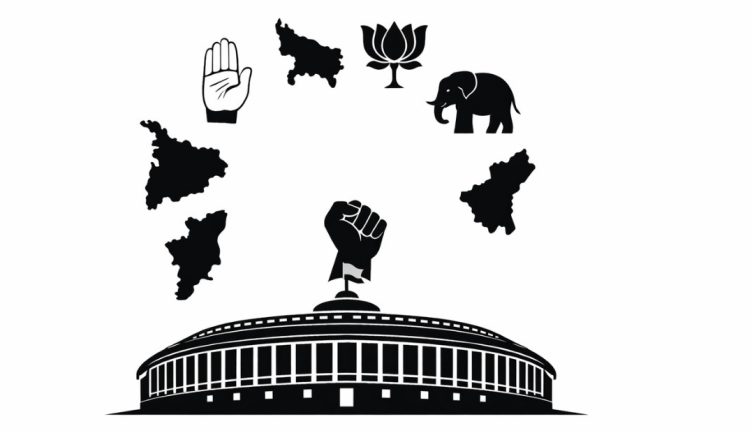
India’s political landscape continues to evolve as Parliament sessions, state governments, and policy debates influence the direction of governance across the country. Decisions taken in Parliament and major state assemblies affect millions of citizens through laws, welfare programs, infrastructure plans, and economic policies.
Several developments are currently shaping discussions among policymakers, political parties, and citizens. These include debates on governance reforms, state-level policy announcements, welfare programs, and political preparations ahead of upcoming elections.
Understanding these updates helps readers stay informed about how policies may impact daily life, economic growth, education, employment, and public services.
Below are seven important updates from Parliament and state politics that are influencing the national political conversation.
1. India’s Parliament Focuses on Key Policy Debates
India’s Parliament continues to debate several policy issues that affect governance and public services.
Members from both the ruling coalition and opposition parties have raised questions on matters such as economic growth, welfare delivery, and administrative reforms. Parliamentary discussions are a crucial part of the legislative process because they allow lawmakers to review government decisions and raise concerns from their constituencies.
During the ongoing discussions, MPs have also focused on topics such as:
- Implementation of government schemes
- Economic policy priorities
- Infrastructure and development projects
Parliamentary debates are closely watched by analysts because they signal the government’s legislative priorities for the coming months.
2. Budget Discussions Continue Across Political Lines
Budget-related debates remain a major focus in national politics.
After the Union Budget presentation earlier in the year, Parliament continues to review allocations and policy proposals. Lawmakers are examining spending priorities related to infrastructure, agriculture, social welfare, and technology.
Key issues being discussed include:
- Government spending on infrastructure projects
- Support for farmers and rural development
- Funding for education and healthcare
- Incentives for industry and startups
Budget debates often generate strong discussions between political parties because they shape how public money is used. These debates also help determine which sectors will receive priority support from the government.
3. Welfare Schemes Under Review in Parliament
Implementation of major welfare programs remains a key issue in political discussions.
Lawmakers have raised questions about how effectively central government schemes are reaching beneficiaries. These include programs related to housing, food security, healthcare coverage, and rural employment.
Members of Parliament often seek updates from ministries about:
- Progress of welfare schemes
- Distribution of benefits to eligible citizens
- Monitoring systems for program delivery
These discussions are important because they highlight gaps that may exist in the implementation of large public programs. Governments at both the central and state levels regularly adjust policies based on such feedback.
4. State Governments Announce New Development Plans
Several state governments are introducing new development initiatives aimed at boosting regional growth.
State administrations across India continue to focus on projects related to infrastructure, industry, and urban development. These initiatives often include:
- New road and transport projects
- Industrial investment zones
- Urban infrastructure upgrades
- Rural development programs
State-level decisions are important because they directly affect economic activity and job creation within regions. Many states are competing to attract investment and expand local industries.
Policy announcements from states often become part of the national political debate because they influence economic growth and employment opportunities.
5. Regional Political Alliances Begin Strategic Planning
Political alliances in several states have started preparing for upcoming elections and legislative challenges.
Regional parties and national parties are holding meetings to discuss strategy, coalition arrangements, and policy messaging. Political alliances play an important role in India’s electoral system, especially in states where multiple parties have strong voter support.
Recent discussions among political leaders have focused on:
- Coordination between coalition partners
- Election strategy planning
- Public outreach campaigns
- Policy agendas for upcoming elections
These developments are closely watched by political observers because alliance dynamics often influence election outcomes.
6. Governance and Administrative Reforms in Focus
Governance reforms remain a major topic in both Parliament and state assemblies.
Government leaders continue to emphasize improvements in administrative efficiency, digital governance, and public service delivery. Several states are expanding the use of digital systems to make government services faster and more transparent.
Examples of governance reforms being discussed include:
- Expansion of digital government services
- Faster approval systems for businesses
- Improved monitoring of public projects
- Transparency measures in public administration
Administrative reforms are designed to improve how government departments serve citizens and businesses. These changes are particularly important as India continues to expand digital infrastructure and online services.
7. Political Debate on Economic Growth and Jobs
Economic growth and employment remain central themes in political discussions.
Lawmakers across political parties are debating strategies to strengthen India’s economy and create new jobs. Issues such as industrial development, support for small businesses, and investment in new sectors are being widely discussed.
Key areas of focus include:
- Manufacturing growth
- Startup and technology sector expansion
- Skill development programs
- Infrastructure investment
Economic debates often dominate political discussions because they affect employment opportunities and living standards for millions of citizens.
Both central and state governments continue to explore policies that support economic growth while addressing challenges such as unemployment and regional inequality.
Why These Political Updates Matter for Citizens
Political developments in Parliament and state governments directly influence daily life in India.
Decisions made by lawmakers affect a wide range of areas, including:
- Public welfare programs
- Economic policies
- Infrastructure development
- Education and healthcare funding
- Job creation and industry growth
For citizens, staying informed about these developments helps them understand how policies may affect their communities and future opportunities.
Political debates also reflect the priorities of elected representatives and the concerns raised by voters across the country.
The Role of Parliament in India’s Democracy
India’s Parliament plays a central role in shaping the country’s laws and policies.
It serves as a platform where elected representatives debate legislation, question government decisions, and represent the interests of their constituencies.
The legislative process typically involves:
- Introduction of bills
- Parliamentary debate and review
- Committee examination
- Voting and approval
Through this process, Parliament ensures that laws and policies are discussed and evaluated before implementation.
State assemblies follow similar processes at the regional level, focusing on issues specific to their states.
Looking Ahead: Political Developments to Watch
India’s political environment will continue to evolve as policy discussions move forward.
Several factors are expected to shape future debates, including:
- Upcoming legislative proposals
- State government policy announcements
- Economic policy discussions
- Preparations for future elections
Political observers will also monitor how governments implement policies announced in Parliament and state assemblies.
These developments will influence governance, economic policy, and public programs across the country.
Conclusion
India’s Parliament and state governments remain active centers of political decision-making.
From budget debates to development programs and governance reforms, the updates discussed above highlight how policymakers are shaping the country’s future.
As lawmakers continue to debate policies and introduce new initiatives, these developments will play an important role in determining how India addresses challenges related to economic growth, public welfare, and governance.
For citizens and businesses alike, staying informed about political updates helps provide a clearer understanding of how decisions made by elected representatives may influence the country’s direction in the months ahead.
Edited By: E.Devanshi Varma
Also Read: Iran Diplomacy Claims Escalate Global Tensions: 7 Critical Signals India Must Monitor
Follow us on google news: Click Here
Last Updated on: Thursday, March 5, 2026 2:48 pm by News Estate Team | Published by: News Estate Team on Thursday, March 5, 2026 2:48 pm | News Categories: India
About The Author
