
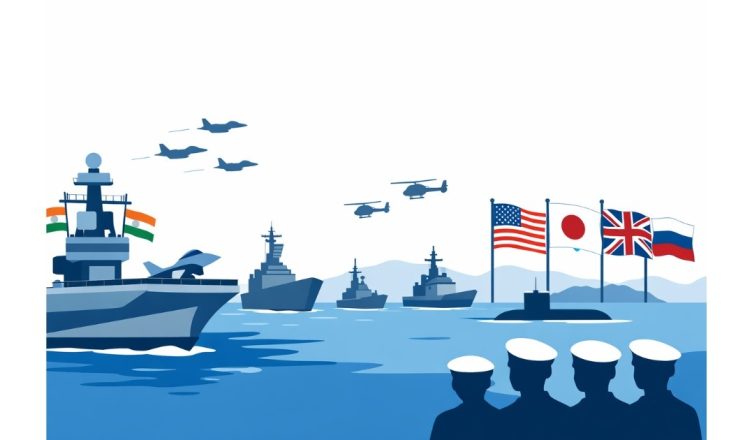
The International Fleet Review (IFR) 2026 in Visakhapatnam, Andhra Pradesh, has placed India at the center of global maritime attention.
This large-scale naval gathering is more than a ceremonial parade. It is a strong signal of India’s growing role in the Indo-Pacific region, maritime security cooperation, and defense diplomacy.
With dozens of warships, submarines, aircraft, and naval delegations from across the world participating, the event reflects India’s rising global status as a responsible maritime power.
For Indian citizens, this is not just a defense event. It highlights national security preparedness, shipbuilding capability, and India’s commitment to safe sea routes that support global trade.
What Is the International Fleet Review?
The International Fleet Review (IFR) is a formal naval event where participating countries send their ships to assemble in a host nation’s waters.
It serves three main purposes:
- Showcasing naval capability
- Strengthening diplomatic ties
- Promoting maritime cooperation
India has hosted the Fleet Review before. However, IFR 2026 is one of the largest editions ever conducted in the country, both in scale and global participation.
Why Visakhapatnam Was Chosen
Visakhapatnam, often called Vizag, is the headquarters of the Eastern Naval Command of the Indian Navy.
The city has:
- A deep natural harbor
- Strong naval infrastructure
- Shipbuilding facilities
- Strategic access to the Bay of Bengal
Hosting IFR 2026 here highlights India’s eastern maritime strength and growing focus on the Indo-Pacific region.
The Bay of Bengal is increasingly important for global trade routes and energy supply lines. By hosting the event here, India sends a clear strategic message about regional stability.
Scale of the Event: Ships, Nations and Military Presence
One of the biggest highlights of IFR 2026 is its size.
The event includes:
- Indian Navy warships and submarines
- Naval ships from friendly foreign countries
- Maritime patrol aircraft and helicopters
- Senior naval chiefs and defense delegates
Such participation shows strong international trust in India’s maritime leadership.
The fleet review typically includes:
- A formal inspection of ships
- Naval flypast by aircraft
- Demonstrations of maritime capabilities
- Cultural exchange programs
This blend of military display and diplomacy makes IFR different from regular naval exercises.
India’s Naval Strength on Display
The Indian Navy used IFR 2026 to display:
- Indigenous warships built under “Make in India”
- Advanced destroyers and frigates
- Submarine capability
- Carrier battle group presence
- Modern surveillance and anti-submarine systems
India has invested heavily in naval modernization over the past decade.
The focus areas include:
- Blue-water capability
- Indigenous shipbuilding
- Maritime domain awareness
- Network-centric warfare
By showcasing these assets, India signals operational readiness and technological progress.
Strategic Importance in the Indo-Pacific
The Indo-Pacific region has become the center of global strategic competition.
Major powers are increasing their naval presence in this region due to:
- Trade routes passing through the Indian Ocean
- Energy security concerns
- Geopolitical tensions
India’s role is crucial because:
- Nearly 90% of India’s trade by volume moves through sea routes
- The Indian Ocean carries a major share of global oil shipments
- Maritime stability directly impacts economic growth
By hosting IFR 2026, India strengthens partnerships that ensure open and secure sea lanes.
Diplomacy at Sea: Building Stronger Global Ties
IFR is not only about ships. It is also about dialogue.
Senior naval officers and defense representatives from participating nations held meetings and discussions during the event.
Key focus areas include:
- Joint maritime exercises
- Anti-piracy cooperation
- Humanitarian assistance and disaster relief
- Search and rescue coordination
Such discussions improve trust and coordination during real emergencies.
Naval diplomacy is often called “quiet diplomacy” because it builds relationships without public confrontation.
Boost to ‘Make in India’ Defence Manufacturing
Another important angle of IFR 2026 is India’s growing defense manufacturing strength.
Over the last few years, India has:
- Increased indigenous ship production
- Reduced dependence on imports
- Promoted private shipyards
Indian shipyards now produce:
- Destroyers
- Frigates
- Offshore patrol vessels
- Aircraft carriers
The presence of foreign delegations gives India an opportunity to showcase its manufacturing capabilities and potential export partnerships.
Economic and Tourism Impact on Visakhapatnam
Large-scale defense events bring economic activity.
Hotels, transport services, and local businesses in Visakhapatnam witnessed increased demand due to:
- International delegations
- Naval personnel
- Media coverage
- Public viewing programs
IFR also enhances the city’s global image.
For Andhra Pradesh, this is an opportunity to promote Vizag as:
- A defense hub
- A maritime city
- A tourism destination
Public Engagement and National Pride
Fleet Reviews are ceremonial but powerful.
They create a strong sense of national pride.
Citizens often get limited access to view naval ships or attend exhibitions arranged alongside the event.
Public engagement programs may include:
- Naval band performances
- Ship visits for civilians
- Exhibitions on maritime history
Such outreach helps young Indians understand naval careers and national security importance.
Security and Preparedness Measures
Events of this scale require strong security coordination.
Authorities ensure:
- Coastal surveillance
- Airspace monitoring
- Controlled harbor movement
- Maritime traffic management
The Indian Navy, Coast Guard, and local administration work together to maintain safety.
This coordination itself demonstrates operational capability.
How IFR 2026 Strengthens India’s Global Standing
India has consistently promoted:
- Freedom of navigation
- Respect for international maritime law
- Peaceful resolution of disputes
By hosting IFR 2026, India reinforces its image as:
- A responsible maritime power
- A stable security partner
- A key Indo-Pacific player
It also signals that India is ready to engage constructively with global navies.
Comparison With Previous Fleet Reviews
India has hosted Fleet Reviews in the past, but IFR 2026 stands out because:
- Greater international participation
- Stronger focus on Indo-Pacific cooperation
- Higher indigenous naval capability
- Increased global attention on maritime security
The event reflects how much India’s naval power has grown in recent years.
Maritime Security: Why It Matters for Every Indian
Maritime security may seem distant from daily life, but it affects everyone.
Sea routes support:
- Oil imports
- Food supply chains
- Industrial raw materials
- Export markets
Any disruption at sea can impact:
- Fuel prices
- Trade
- Economic stability
Therefore, a strong navy directly supports national growth and economic security.
Environmental and Sustainable Maritime Focus
Modern naval events also highlight environmental responsibility.
The Indian Navy has taken steps toward:
- Cleaner fuel usage
- Waste management practices
- Sustainable maritime operations
Such initiatives align with global environmental commitments.
Looking Ahead: What Comes After IFR 2026
After the ceremonial review ends, cooperation continues.
Participating navies may engage in:
- Bilateral exercises
- Technology sharing
- Maritime training programs
The relationships built during IFR often shape future defense partnerships.
Conclusion: A Strategic Maritime Moment for India
International Fleet Review 2026 in Visakhapatnam is not just a naval spectacle.
It is a strong strategic statement.
It shows:
- India’s naval readiness
- Growing global trust
- Commitment to maritime peace
- Expanding defense manufacturing capability
At a time when global maritime tensions remain high, India’s hosting of one of the world’s largest naval assemblies sends a clear message.
India is prepared, engaged, and ready to lead in the Indo-Pacific.
For Indian readers, IFR 2026 is a reminder that maritime strength is directly linked to national progress, economic stability, and global respect.
As the ships sail back to their home countries, the diplomatic impact of this gathering will continue to shape regional cooperation for years to come.
Also Read: 5 Big Boost: Ashoka University’s Full Tuition Waiver for JEE Toppers Sparks Major Admissions Surge
Follow us o google news: Click Here
Last Updated on: Wednesday, February 25, 2026 2:32 pm by News Estate Team | Published by: News Estate Team on Wednesday, February 25, 2026 2:32 pm | News Categories: News
About The Author
