
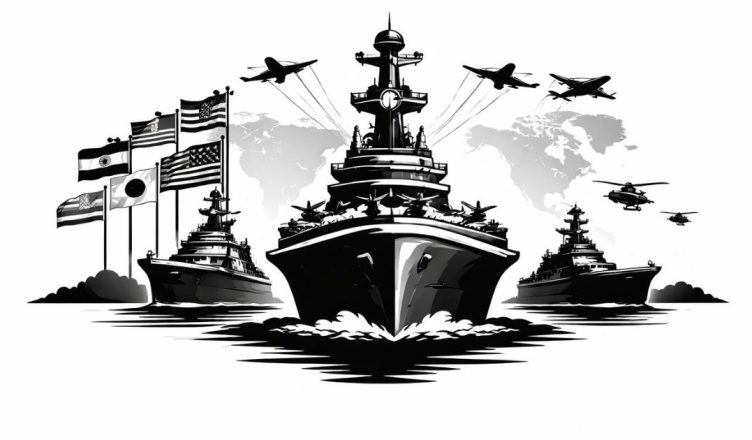
The International Fleet Review 2026 (IFR 2026) in Visakhapatnam is one of India’s most important naval events this year.
The global maritime gathering brings together warships, naval chiefs, and defence delegations from multiple countries. It is hosted by the Indian Navy and showcases India’s growing role in regional security and global maritime cooperation.
At a time when the Indo-Pacific region is becoming more strategic, IFR 2026 sends a clear message. India is ready to engage, cooperate, and strengthen partnerships at sea.
For Indian citizens, this event is not just a military display. It reflects India’s rising global position and its focus on maritime security, trade routes, and defence diplomacy.
What Is the International Fleet Review?
An International Fleet Review is a ceremonial and strategic naval event.
It usually includes:
- Participation of naval ships from friendly nations
- Sea parades and operational displays
- Naval band performances
- High-level defence meetings
- Bilateral and multilateral talks
The President of India traditionally reviews the fleet, symbolising civilian control over the armed forces.
India has hosted such reviews in the past, but IFR 2026 in Vizag is gaining attention because of the current global geopolitical climate.
Why Vizag Was Chosen as the Host City
Visakhapatnam, also known as Vizag, is a key naval hub on India’s eastern coast.
It hosts the Eastern Naval Command of the Indian Navy. The city has:
- Deep natural harbours
- Advanced dock facilities
- Strong naval infrastructure
- Strategic access to the Bay of Bengal
The eastern seaboard is critical for India’s Indo-Pacific strategy. Hosting IFR 2026 here underlines the importance of the eastern maritime corridor.
The event is also expected to boost tourism and local business activity in the region.
Strategic Importance of IFR 2026
1. Strengthening Naval Diplomacy
Naval diplomacy plays a major role in international relations.
Warships visiting foreign ports build trust and improve coordination. IFR 2026 creates space for:
- Joint discussions on maritime security
- Anti-piracy cooperation
- Humanitarian assistance coordination
- Disaster relief collaboration
In recent years, sea routes have become central to global trade. Around 90% of global trade moves by sea. Protecting these routes is vital.
India’s participation and leadership in such events signal its commitment to safe and open seas.
2. Indo-Pacific Focus
The Indo-Pacific region remains one of the most strategic maritime zones in the world.
Major powers are increasing their naval presence in this region.
By hosting IFR 2026, India reinforces:
- Its role as a regional stabilising force
- Support for freedom of navigation
- Cooperation with friendly maritime nations
The event also aligns with India’s broader maritime vision and global engagement strategy.
3. Showcasing Indigenous Naval Strength
IFR 2026 also highlights India’s defence manufacturing progress.
Over the last decade, India has focused on:
- Building indigenous warships
- Expanding submarine capabilities
- Strengthening aircraft carrier operations
- Boosting defence exports
The display of domestically built ships shows India’s progress toward self-reliance in defence production.
For Indian industry, this is an opportunity to showcase shipbuilding strength and maritime innovation.
Key Highlights Expected at IFR 2026
While official schedules are released closer to the event dates, International Fleet Reviews typically include:
Naval Ship Parade
Participating ships sail in formation for ceremonial inspection.
This remains one of the most visually powerful moments of the event.
Operational Demonstrations
Naval aircraft flyovers and maritime drills are often part of the programme.
These exercises show coordination and readiness.
Defence Dialogues
Behind closed doors, high-level talks take place between naval leaders.
These meetings often focus on:
- Joint exercises
- Maritime surveillance
- Regional security cooperation
Such engagements are critical for long-term partnerships.
Economic Impact on Vizag and Andhra Pradesh
Large defence events bring economic activity.
Hotels, transport services, restaurants, and tourism operators benefit from international delegations and visitors.
For Visakhapatnam, IFR 2026:
- Highlights the city on the global map
- Encourages infrastructure upgrades
- Promotes coastal tourism
Local businesses are preparing for increased footfall during the event period.
Public Engagement and National Pride
Fleet Reviews are not only diplomatic events. They also connect citizens with the armed forces.
School students, NCC cadets, and local communities often get opportunities to:
- Witness ship displays
- Attend public exhibitions
- Interact with naval personnel
Such events build awareness about maritime careers and national defence.
For many young Indians, seeing naval ships up close creates interest in joining the armed forces.
India’s Maritime Strategy in 2026
India’s maritime strategy has expanded beyond coastal defence.
Today, it includes:
- Blue economy development
- Deep-sea exploration
- Maritime infrastructure growth
- Security partnerships across regions
With growing global attention on supply chains and sea lanes, maritime strength is no longer optional.
India’s long coastline of over 7,500 kilometres makes naval capability a strategic necessity.
IFR 2026 reflects this long-term approach.
Global Alignment and Security Cooperation
In a world facing regional tensions and shifting alliances, naval cooperation helps reduce misunderstandings.
International Fleet Reviews:
- Encourage transparency
- Promote communication
- Build mutual confidence
For India, IFR 2026 is a platform to engage both traditional partners and emerging maritime nations.
It shows India’s willingness to work with multiple countries while maintaining strategic independence.
Security and Operational Preparedness
Hosting a large international naval event requires high security coordination.
Authorities ensure:
- Coastal security monitoring
- Airspace regulation
- Port management systems
- Emergency response readiness
Such preparation also strengthens local disaster management systems.
Why IFR 2026 Is Important for Indian Citizens
For ordinary citizens, IFR 2026 represents:
- India’s growing global standing
- Confidence in defence capabilities
- Recognition of maritime importance
India’s economy depends heavily on sea trade. Strong naval partnerships protect trade routes and energy supplies.
When maritime routes remain secure, economic stability improves.
The Road Ahead After IFR 2026
International Fleet Reviews are symbolic, but their impact continues long after ships sail back.
Post-event outcomes often include:
- Expanded joint naval exercises
- Increased defence cooperation
- Stronger maritime intelligence sharing
For India, IFR 2026 is not just a ceremonial parade.
It is a strategic message.
India is positioning itself as a responsible maritime power in a changing world.
Conclusion: India Steps Forward on the Maritime World Stage
The International Fleet Review 2026 in Visakhapatnam marks a significant moment in India’s defence and diplomatic journey.
It combines naval strength, international cooperation, and regional strategy.
At a time when global sea lanes are under pressure and Indo-Pacific security remains critical, India’s maritime leadership stands in focus.
IFR 2026 is more than a display of ships.
It is a statement of intent — that India is ready to engage, collaborate, and lead on the world’s oceans.
Edited By: E.Devanshi Varma
Also Read: India AI Impact Summit 2026: 5 Powerful Breakthroughs Shaping a Stronger National Tech Future
Follow us on google news: Click Here
Last Updated on: Thursday, February 26, 2026 3:49 pm by News Estate Team | Published by: News Estate Team on Thursday, February 26, 2026 3:49 pm | News Categories: Trending
About The Author
