
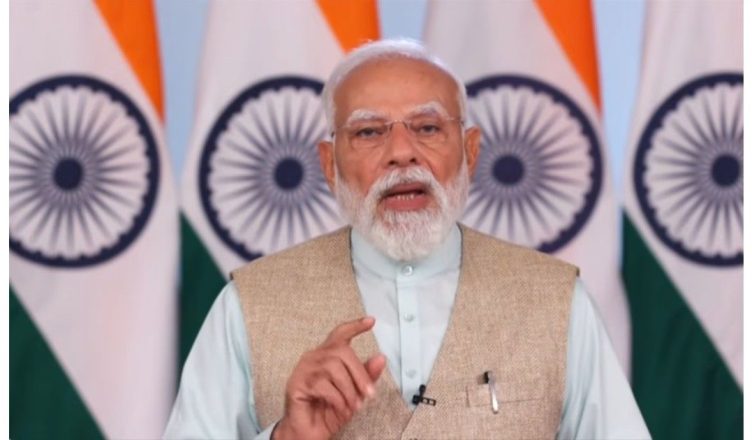
New Delhi, April 7 — Prime Minister Narendra Modi on Tuesday extended congratulations to To Lam following his election as the new President of Vietnam. The message comes at a significant moment in bilateral relations, as both countries continue to deepen cooperation across strategic, economic, and regional fronts.
To Lam, 69, was unanimously elected by Vietnam’s National Assembly during its 16th session and has assumed office for a five-year term from 2026 to 2031. He took the oath of office shortly after the announcement, pledging allegiance to the constitution and the people of Vietnam.
Key Announcements and Developments
Prime Minister Modi conveyed his wishes through a message shared on the social media platform X, highlighting India’s commitment to strengthening its longstanding partnership with Vietnam.
- Modi congratulated To Lam on his election and assumption of office as President.
- He expressed confidence in Lam’s leadership and its potential to further enhance bilateral relations.
- The Prime Minister emphasized India’s intent to work closely with Vietnam to promote shared growth and regional stability.
- He noted that India–Vietnam ties are expected to expand into new areas of cooperation in the coming years.
The communication reflects continuity in India’s diplomatic approach , which is considered a key partner in Southeast Asia.
Official Statement
In his message, Prime Minister Modi underscored the importance of the India–Vietnam relationship, expressing optimism about future collaboration. He indicated that both nations would continue working together to advance mutual prosperity and contribute positively to regional development.
The statement, while brief, signals India’s intention to maintain strong engagement with Vietnam under its new leadership. It also highlights the strategic alignment between the two countries on various international and regional issues.
Context and Background
India and Vietnam share a long-standing relationship rooted in historical, cultural, and political connections. Diplomatic ties between the two nations were established in 1972 and have evolved into a Comprehensive Strategic Partnership over the decades.
This partnership encompasses a wide range of sectors, including:
- Defense and Security Cooperation: India and Vietnam regularly engage in joint exercises, training programs, and defense dialogues. India has also extended lines of credit to Vietnam for defense procurement.
- Economic Engagement: Bilateral trade between the two countries has seen steady growth, with both sides aiming to further expand trade volumes in the coming years.
- Energy Collaboration: India has been involved in oil and gas exploration projects in Vietnam, particularly in the South China Sea region.
- Cultural and Educational Exchanges: There is increasing collaboration in education, tourism, and cultural initiatives, reflecting people-to-people connections.
Vietnam plays a crucial role in India’s “Act East Policy,” which seeks to strengthen ties with Southeast Asian nations. The policy emphasizes economic integration, strategic cooperation, and connectivity with the region.
To Lam’s appointment comes at a time when Vietnam is navigating both domestic economic priorities and complex geopolitical dynamics in the Indo-Pacific region.
Leadership Transition in Vietnam
To Lam’s election as President marks a significant leadership transition within Vietnam’s political structure. The President serves as the head of state and plays an important role in shaping both domestic governance and foreign policy direction.
Before assuming the presidency, To Lam held key positions within Vietnam’s political and security framework, including serving as Minister of Public Security. His experience in governance and administration is expected to influence his approach to leadership during his tenure.
The unanimous vote by the National Assembly reflects strong institutional support for his leadership. His oath-taking ceremony reaffirmed his commitment to uphold the constitution and serve the interests of the Vietnamese people.
Why This Matters
The leadership change in Vietnam holds importance not only for the country’s domestic policies but also for its international partnerships. For India, maintaining strong ties with Vietnam is strategically significant for several reasons:
- Regional Stability: Both India and Vietnam share common concerns about maintaining peace and stability in the Indo-Pacific region.
- Economic Opportunities: Strengthened ties can open new avenues for trade, investment, and technological collaboration.
- Strategic Alignment: The two nations often align on key global issues, including maritime security and international law.
Prime Minister Modi’s prompt congratulatory message indicates the importance India places on continuity in bilateral relations, regardless of leadership changes.
Public Impact and Future Cooperation
For citizens and businesses in both countries, stronger India–Vietnam relations could translate into tangible benefits:
- Increased Trade Opportunities: Businesses may gain access to new markets and partnerships.
- Job Creation: Expanded economic cooperation could generate employment in sectors such as manufacturing, technology, and services.
- Educational Exchange: Students and professionals may benefit from enhanced academic collaborations and skill development programs.
- Tourism Growth: Improved diplomatic ties often lead to increased tourism and cultural exchange.
Additionally, cooperation in areas such as digital innovation, renewable energy, and infrastructure development is expected to grow, aligning with both countries’ development goals.
Expanding Areas of Engagement
Looking ahead, India and Vietnam are likely to explore deeper collaboration in emerging sectors:
- Technology and Innovation: Partnerships in artificial intelligence, digital infrastructure, and cybersecurity.
- Renewable Energy: Joint initiatives in solar, wind, and sustainable energy solutions.
- Healthcare and Pharmaceuticals: Cooperation in medical research, vaccine development, and healthcare systems.
- Maritime Cooperation: Continued focus on ensuring freedom of navigation and maritime security.
These areas reflect the evolving nature of bilateral relations, moving beyond traditional sectors into future-oriented domains.
Diplomatic Significance
Modi’s message also underscores India’s broader diplomatic strategy in Southeast Asia. By maintaining strong ties with Vietnam, India reinforces its presence in the region and strengthens its role in multilateral forums such as ASEAN.
Vietnam, in turn, benefits from India’s growing economic and strategic influence, making the partnership mutually advantageous.
The relationship is often described as one based on trust, shared values, and common interests, which provides a stable foundation for future collaboration.
Looking Ahead
As To Lam begins his five-year term, expectations are high for continued progress in India–Vietnam relations. Both governments are likely to build on existing frameworks while exploring new opportunities for cooperation.
The coming years may see increased high-level visits, policy dialogues, and joint initiatives aimed at strengthening ties further. With both nations focused on economic growth and regional stability, their partnership is expected to play a key role in shaping the future of the Indo-Pacific region.
Prime Minister Modi’s congratulatory message serves as an early indication of India’s readiness to engage with Vietnam’s new leadership, setting the tone for sustained diplomatic and strategic cooperation in the years ahead.
Inputs and images : Hindusthan Samachar
Edited By E. Devanshi varma
Also Read: Bastar 2.0 Plan Gains Momentum as CM Meets PM, Focus on 5 Key Development Areas
Follow us on Google News: Click Here
Last Updated on: Tuesday, April 7, 2026 3:50 pm by E. Devanshi Varma | Published by: E. Devanshi Varma on Tuesday, April 7, 2026 3:50 pm | News Categories: News
About The Author
