
Bhubaneswar, April 1: Odisha has commenced the self-enumeration phase of the national Census, allowing residents to submit their personal and household data online until April 15. The move represents a key milestone in India’s transition toward its first fully digital Census process, aimed at improving efficiency, accuracy, and accessibility.
The initiative was officially launched on Wednesday, with the Governor of Odisha becoming the first individual in the state to complete the online self-enumeration process. Officials say this marks a major shift from traditional paper-based data collection methods, giving citizens greater flexibility to participate in the Census exercise.
Digital Census Rollout Begins
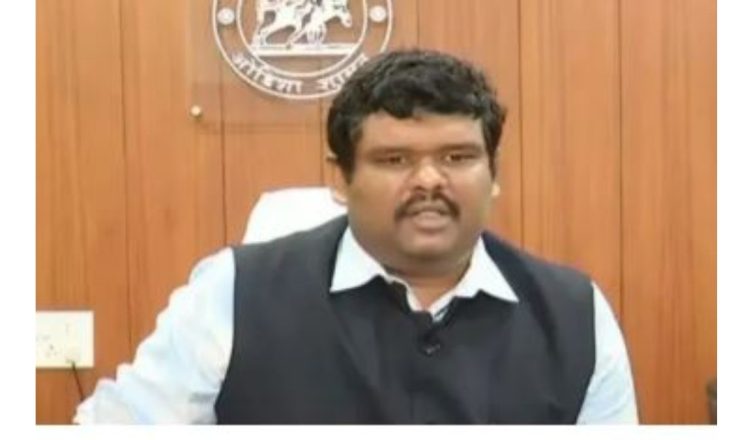
According to Nikhil Pavan Kalyan, Director of Census Operations in Odisha, the self-enumeration phase is designed to allow individuals to directly input their information through the official Census portal. This approach is expected to reduce dependency on physical surveys during the initial stage and streamline the data collection process.
For the first time, citizens can independently provide their demographic and socio-economic details online, without waiting for an enumerator to visit their homes. Authorities believe this will help improve data accuracy while also saving time and administrative resources.
The digital platform has been developed to ensure user-friendly access, allowing residents to complete the process using computers or mobile devices. Officials have also indicated that safeguards are in place to ensure data security and confidentiality.
Key Highlights of the Enumeration Process
The Census questionnaire includes a total of 33 questions that cover a wide range of household and individual details. These include:
- Housing conditions and type of residence
- Family structure and number of members
- Identification of the head of the household
- Ownership of assets such as vehicles and land
- Access to essential services like LPG connections
- Socio-economic indicators, including caste-related data
The inclusion of caste-related information is particularly significant, as it is expected to contribute to policy planning and welfare distribution at both state and national levels.
Officials emphasize that the information collected will play a critical role in shaping future government policies, development programs, and resource allocation strategies.
Next Phase: Door-to-Door Verification from April 16
After the online self-enumeration window closes on April 15, the Census exercise will move into its next stage—the House Listing Operation. This phase is scheduled to run from April 16 to May 15.
During this period, trained enumerators and supervisors will conduct door-to-door visits across all 30 districts of Odisha. Their role will be to verify the information submitted online and collect data from households that did not participate in the digital phase.
Officials have clarified that even those who complete the online process may still be visited for verification purposes. This step is intended to ensure data accuracy and eliminate discrepancies.
The combination of digital self-reporting and physical verification reflects a hybrid model aimed at balancing convenience with reliability.
Large-Scale Administrative Preparation
The scale of the Census exercise in Odisha is extensive, involving a multi-layered administrative structure. The Directorate of Census Operations, functioning under the Ministry of Home Affairs, is overseeing the process in coordination with the state’s Revenue and Disaster Management Department.
To prepare for the field operations, a structured training program has been implemented. A group of 67 Master Trainers underwent intensive training at the Gopabandhu Administrative Academy. These trainers subsequently trained 1,552 field trainers, who are now responsible for preparing a workforce of more than one lakh personnel.
The workforce includes:
- Over 1,00,000 enumerators
- More than 17,000 supervisors
These personnel will be deployed across urban and rural regions, including municipal corporations, municipalities, notified area councils, and industrial towns.
Teachers and local administrative staff have been actively engaged in the process, reflecting the government’s reliance on grassroots-level human resources for effective implementation.
Use of Technology in Field Operations
In addition to the online self-enumeration portal, mobile applications will be used by field enumerators during the door-to-door survey phase. These applications are designed to enable real-time data entry and reduce errors associated with manual data recording.
The integration of digital tools is expected to enhance data consistency and allow faster compilation and analysis of Census information.
Officials say that the move toward digital systems is aligned with broader government efforts to modernize administrative processes and improve service delivery through technology.
Public Awareness Campaign Gains Momentum
To encourage participation and improve awareness about the Census process, the Odisha government has launched a public outreach campaign. As part of this effort, renowned sand artist and Padma Shri awardee Sudarshan Pattnaik has been appointed as the brand ambassador.
Through artistic installations and public messaging, the campaign aims to highlight the importance of accurate Census data and motivate citizens to take part in the exercise.
Administrative officials, including District Collectors and Municipal Commissioners, have also been assigned key supervisory roles to ensure smooth execution and public engagement at the local level.
Why This Census Matters
The Census is one of the most significant administrative exercises conducted by the government, providing critical data that influences decision-making across multiple sectors.
Accurate Census data helps in:
- Planning infrastructure development
- Designing welfare schemes
- Allocating government funds
- Understanding population trends
- Identifying socio-economic disparities
The introduction of a digital self-enumeration option is expected to improve participation rates, particularly among urban and tech-savvy populations.
At the same time, the continued use of door-to-door verification ensures that marginalized and digitally excluded communities are not left out of the process.
Challenges and Considerations
While the digital approach offers several advantages, it also presents certain challenges. These include:
- Limited internet access in remote areas
- Digital literacy gaps among certain population groups
- Ensuring data privacy and cybersecurity
To address these concerns, authorities have retained the traditional enumeration method as a backup, ensuring inclusivity across all sections of society.
Officials have also urged citizens to provide accurate information and complete the self-enumeration process within the stipulated timeline to avoid last-minute congestion or delays.
What Residents Should Do
Residents in Odisha are encouraged to:
- Visit the official Census portal
- Complete the self-enumeration before April 15
- Keep necessary household and personal information ready
- Cooperate with enumerators during verification visits
Participation in the Census is considered a civic responsibility, and accurate data submission is essential for effective governance and development planning.
The rollout of digital self-enumeration in Odisha marks a significant step toward modernizing India’s Census framework. By combining technology with traditional verification methods, authorities aim to create a more efficient, inclusive, and reliable system for capturing demographic data. As the process unfolds over the coming weeks, its success will depend largely on public participation and the effective coordination of administrative machinery across the state.
Inputs and images : Hindusthan Samachar
Edited By E. Devanshi varma
Also Read: PM Modi Inaugurates Samprati Museum, Marks 2nd Gujarat Visit in a Month on Mahavir Jayanti
Follow us on Google News: Click Here
Last Updated on: Wednesday, April 1, 2026 2:12 pm by E. Devanshi Varma | Published by: E. Devanshi Varma on Wednesday, April 1, 2026 2:12 pm | News Categories: News, India
About The Author
