
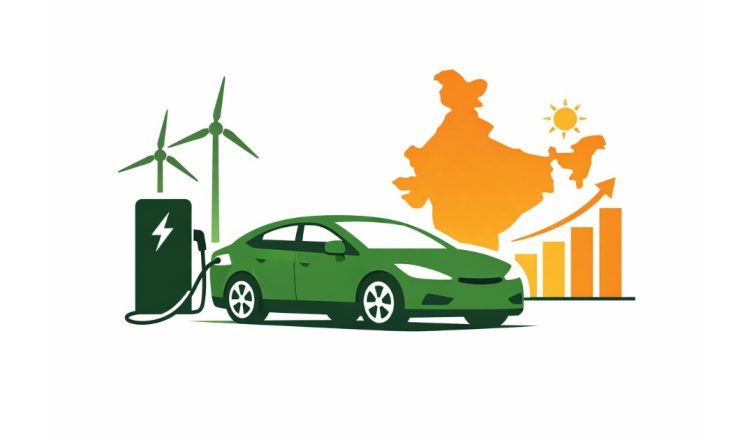
Electric Vehicles in India are once again at the centre of public attention. In early 2026, online searches for EV cars, electric scooters, battery range, charging stations, and government subsidies have sharply increased. Buyers are comparing prices. Families are checking savings on fuel. Fleet operators are studying new incentives.
Two key reasons are driving this trend.
First, several new electric vehicle launches are expanding choices across price segments. Second, recent policy shifts by the Central and State governments are making EV ownership more attractive.
With fuel prices still high and air pollution a serious concern in major cities, the shift towards electric mobility is no longer limited to early adopters. It is moving into the mainstream.
This report explains the latest EV launches, updated government schemes, charging infrastructure growth, and what Indian consumers need to know before making a purchase decision.
New Electric Vehicle Launches Expanding Buyer Choices
More Options Across Budget and Premium Segments
In 2026, automakers are focusing on three main areas:
- Longer driving range
- Faster charging time
- Better battery warranty
Manufacturers are launching electric SUVs, compact hatchbacks, and city-focused models. Entry-level EVs are targeting urban commuters, while premium models are competing with petrol SUVs in performance and features.
Many new models now offer:
- Range above 400 km per charge
- Fast charging up to 80% in under 45 minutes
- Battery warranty of 8 years or 1,60,000 km
These improvements directly address two major concerns — range anxiety and battery life.
Growth in Electric Two-Wheelers
Electric scooters and bikes continue to dominate EV sales in India.
Lower prices, easy charging at home, and reduced running costs make them attractive. Several updated models now offer:
- Range of 120–180 km
- Removable battery options
- Improved safety features
Search trends show strong interest in “best electric scooter under ₹1 lakh” and “electric bike range comparison.”
Government Policy Shifts Supporting EV Growth
Central Government Focus on Incentives
The Government of India continues to push electric mobility under national schemes aimed at reducing oil imports and cutting pollution.
Key policy measures include:
- Subsidies linked to battery capacity
- Support for domestic battery manufacturing
- Incentives for setting up public charging stations
The focus has shifted from only subsidies to long-term ecosystem development. This includes local production of batteries and EV components.
State-Level Benefits Driving Regional Growth
Several states are offering additional benefits such as:
- Road tax exemption
- Registration fee waiver
- Capital subsidies for fleet operators
- Special incentives for women buyers in select regions
States like Delhi, Maharashtra, Tamil Nadu, and Gujarat continue to lead in EV registrations.
Consumers are increasingly searching for:
- “EV subsidy 2026 state-wise”
- “Electric car road tax exemption”
- “EV policy benefits in my state”
This shows that buyers are carefully studying financial benefits before making decisions.
Charging Infrastructure Expanding Rapidly
Public Charging Stations on the Rise
One of the biggest barriers to EV adoption was charging infrastructure. That gap is now narrowing.
Government data shows steady growth in public charging stations across highways, metro cities, and tier-2 towns.
Many fuel pumps are also installing EV charging units. Shopping malls and office complexes are adding charging points.
The increase in infrastructure is boosting buyer confidence.
Home Charging Becomes Easier
Most EV buyers still prefer home charging.
New apartment projects now include EV-ready parking slots. Builders are advertising EV-friendly features as a selling point.
Discoms in several states have introduced special EV tariffs to encourage off-peak charging.
Cost Comparison: Electric vs Petrol Vehicles
Lower Running Costs Remain a Big Advantage
One of the strongest reasons for rising EV searches is cost savings.
Approximate running cost comparison:
- Petrol car: ₹6–8 per km
- Electric car: ₹1–1.5 per km
Over five years, the difference becomes significant for daily commuters.
Electric scooters are even more economical, with charging cost often under ₹20–30 per full charge, depending on state tariffs.
Higher Upfront Cost Still a Factor
While EV prices have reduced, the upfront cost is still slightly higher than petrol models in many segments.
However, when factoring:
- Fuel savings
- Lower maintenance
- Government incentives
Total cost of ownership often becomes competitive.
This is why many buyers now search for “EV total cost calculator” before making a purchase.
Battery Technology Improvements in 2026
Longer Life and Better Safety
Battery performance has improved steadily.
Most new models now use advanced lithium-ion battery packs with improved thermal management systems.
Manufacturers are focusing on:
- Fire safety standards
- Real-world tested range
- Faster charging cycles
Stronger battery warranty policies are also building trust.
Focus on Local Manufacturing
India is pushing for domestic battery production to reduce import dependency.
Production-linked incentive schemes support battery cell manufacturing within the country.
This move may help reduce EV prices in the coming years.
Corporate and Fleet Adoption Accelerating Demand
Ride-Hailing and Delivery Companies Going Electric
Large fleet operators are rapidly adding electric vehicles.
Ride-hailing services, food delivery platforms, and logistics companies are shifting to electric two-wheelers and cars to cut fuel costs.
Bulk orders from corporate fleets are improving economies of scale.
This also increases second-hand EV availability in the future.
Rural and Tier-2 City Growth Emerging
Earlier, EV adoption was limited to metro cities.
In 2026, tier-2 and tier-3 cities are showing rising demand.
Improved charging networks and falling prices are expanding the market.
Small businesses are exploring electric cargo vehicles for last-mile delivery.
Search interest in smaller towns indicates that EV awareness is spreading beyond urban centres.
Consumer Concerns Still Remain
Despite strong growth, some challenges continue.
- Charging time is longer than refuelling petrol.
- Resale value is still evolving.
- Battery replacement cost is a concern for some buyers.
However, policy support and technology upgrades are gradually addressing these issues.
Environmental Impact Driving Buyer Sentiment
Air pollution remains a serious issue in many Indian cities.
Electric vehicles produce zero tailpipe emissions. This makes them attractive to environmentally conscious buyers.
Many urban consumers are actively searching for “eco-friendly car options” and “low emission vehicles.”
Climate awareness is becoming a real factor in purchase decisions.
What Buyers Should Check Before Buying an EV
Experts advise consumers to review:
- Real-world driving range
- Availability of charging stations nearby
- State-level subsidies
- Battery warranty terms
- Service network coverage
Test driving and comparing charging speed are also important steps.
Outlook: Is 2026 a Turning Point for Electric Vehicles in India?
Industry experts believe that 2026 could mark a strong growth phase for electric mobility in India.
Key drivers include:
- Wider model availability
- Expanding charging network
- Policy clarity
- Rising fuel prices
- Strong consumer awareness
Electric vehicles are no longer seen as experimental. They are becoming practical options for daily commuting and business use.
Online search behaviour clearly shows rising interest. Consumers are not just browsing. They are comparing, calculating, and planning purchases.
Conclusion: EV Momentum Set to Continue
Electric Vehicles in India are entering a new phase of growth.
New model launches are offering better range and performance. Policy shifts are supporting buyers. Charging networks are expanding. Fleet adoption is rising.
While challenges remain, the direction is clear.
For Indian consumers in 2026, electric mobility is no longer a niche trend. It is becoming a mainstream choice backed by technology, policy, and economics.
As more models hit showrooms and infrastructure improves, search interest and sales are likely to move in the same direction — upward.
The EV story in India is no longer about possibility. It is about acceleration.
Also Read: 7 Powerful Midweek Health Picks: Top Nutrition and Wellness Trends Indians Are Googling Today
Follow us on google news: Click here
Last Updated on: Wednesday, February 18, 2026 3:23 pm by News Estate Team | Published by: News Estate Team on Wednesday, February 18, 2026 3:23 pm | News Categories: News
About The Author
