
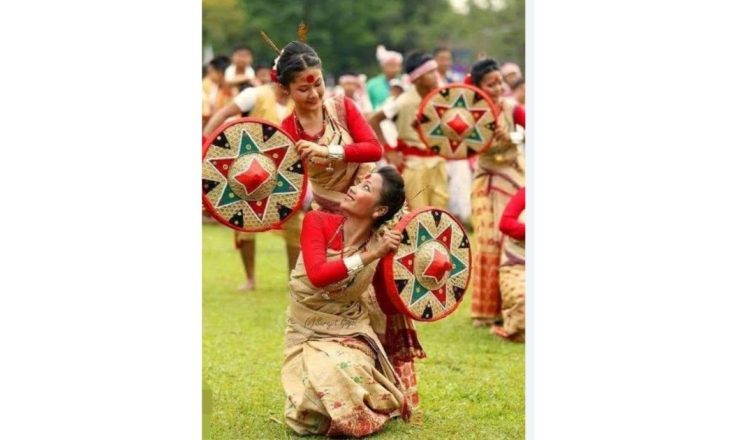
Festive energy has taken over the northeastern state of Assam as preparations for Rongali Bihu, the region’s most significant cultural festival, reach their peak. Celebrated annually in mid-April, the festival coincides with the Assamese New Year and the beginning of the agricultural season. This year, the celebrations begin on April 14, with Goru Bihu — a day dedicated to cattle — set to be observed on Tuesday.
From bustling urban centers like Guwahati to remote rural villages, people are immersing themselves in rituals, music, dance, and community gatherings that define the spirit of Rongali Bihu.
Festive Preparations Across the State
In the days leading up to Rongali Bihu, markets and streets across Assam have witnessed increased activity. Residents are purchasing traditional attire such as gamochas (handwoven cotton cloths) and other customary garments, which hold cultural and symbolic importance during the festival.
Temporary community stages, locally known as “bihutolis,” are being erected in towns and villages. These venues will host performances featuring traditional instruments like the dhol (drum), pepa (a wind instrument made from buffalo horn), and gagana (a bamboo instrument). The rhythmic sounds of these instruments have already begun echoing across neighborhoods, signaling the arrival of the festive season.
Young men and women are actively rehearsing Bihu dance routines — a central feature of the celebrations. The dances, characterized by energetic movements and coordinated group performances, symbolize joy, fertility, and the hopes associated with the new agricultural cycle.
Goru Bihu: Honouring Cattle and Agrarian Roots
The first major ritual of Rongali Bihu is Goru Bihu, dedicated to cattle, which play a crucial role in Assam’s agrarian economy. Observed a day before the Assamese New Year, this tradition reflects the deep connection between rural livelihoods and livestock.
On Goru Bihu, farmers take their cattle to nearby water bodies such as rivers, ponds, and lakes for ceremonial bathing. The animals are cleaned using traditional mixtures that often include turmeric and other natural ingredients, believed to have antiseptic properties.
Following the cleansing ritual, farmers tie new ropes made of jute around the cattle, replacing the old ones. This act symbolizes renewal and is accompanied by prayers for the animals’ health and productivity in the coming year. The ritual underscores the importance of sustainable agricultural practices and respect for nature.
Manuh Bihu and Social Traditions
The day after Goru Bihu is celebrated as Manuh Bihu, marking the Assamese New Year. On this day, people wear new clothes, visit relatives, and seek blessings from elders. It is also customary to exchange gifts, particularly gamochas, as a sign of respect and goodwill.
Another important tradition associated with Rongali Bihu is “Husori.” In this practice, groups of performers visit households to sing Bihu songs and perform dances. These performances are not merely artistic expressions but are also seen as blessings for prosperity and well-being.
Husori continues to thrive in many villages, preserving the communal aspect of the festival. Even in urban areas, efforts are being made to keep this tradition alive, reflecting a broader commitment to cultural continuity.
Cultural Significance of Rongali Bihu
Rongali Bihu, also known as Bohag Bihu, holds a unique place in Assamese society. Unlike other regional festivals that may be tied to specific communities, Rongali Bihu is celebrated across social, religious, and economic divides.
The festival marks the onset of Bohag (Baisakh), the first month of the Assamese calendar. It coincides with the beginning of the sowing season, making it both a cultural and agricultural milestone.
Music and dance are integral to the celebrations. Bihu songs often revolve around themes of love, nature, and rural life, while the dances reflect youthful energy and optimism. Together, they create a vibrant cultural expression that resonates across generations.
Modern Celebrations with Traditional Roots
Over the years, Rongali Bihu has evolved to include large-scale cultural programs, competitions, and stage performances, particularly in urban areas. Organized events often feature professional artists and attract large audiences.
Despite this modernization, the core traditions remain intact. In villages, celebrations continue to be community-driven, with a strong emphasis on rituals, local participation, and cultural authenticity.
This blend of traditional and contemporary elements has helped Rongali Bihu maintain its relevance in a rapidly changing society. It also plays a role in promoting Assamese culture on a broader platform, drawing attention from tourists and cultural enthusiasts.
Public Participation and Community Spirit
One of the defining features of Rongali Bihu is its inclusivity. People from all walks of life participate in the festivities, setting aside their daily routines to celebrate together.
Community involvement is evident in the organization of bihutolis, preparation of traditional foods, and participation in cultural events. The festival fosters a sense of unity and shared identity, reinforcing social bonds.
In recent years, there has also been a growing emphasis on eco-friendly celebrations. Many communities are opting for sustainable materials in decorations and encouraging practices that minimize environmental impact.
Why This Festival Matters
Rongali Bihu is more than just a cultural event; it is a reflection of Assam’s identity and heritage. It highlights the state’s agrarian roots while also showcasing its rich artistic traditions.
For many, the festival represents a time of renewal — both personally and collectively. It offers an opportunity to reconnect with cultural values, strengthen community ties, and celebrate the rhythms of rural life.
The continued enthusiasm surrounding Rongali Bihu also underscores the resilience of traditional practices in the face of modernization. By preserving these customs, communities are ensuring that future generations remain connected to their cultural roots.
Looking Ahead
As Assam prepares to officially usher in Rongali Bihu with Goru Bihu, the atmosphere across the state remains charged with anticipation and excitement. From ritualistic observances to cultural performances, the coming days are expected to see widespread participation.
With both traditional and modern elements shaping the celebrations, Rongali Bihu continues to evolve while staying true to its essence. The festival stands as a testament to Assam’s cultural richness and its enduring connection to agriculture, community, and heritage.
Inputs and images : Hindusthan Samachar
Edited By E. Devanshi varma
Also Read: PM Modi Highlights 3 Key Lessons on Calmness and Resilience in Times of Crisis
Follow us on Google News: Click Here
Last Updated on: Sunday, April 12, 2026 6:22 am by E. Devanshi Varma | Published by: E. Devanshi Varma on Sunday, April 12, 2026 6:22 am | News Categories: India
About The Author
