
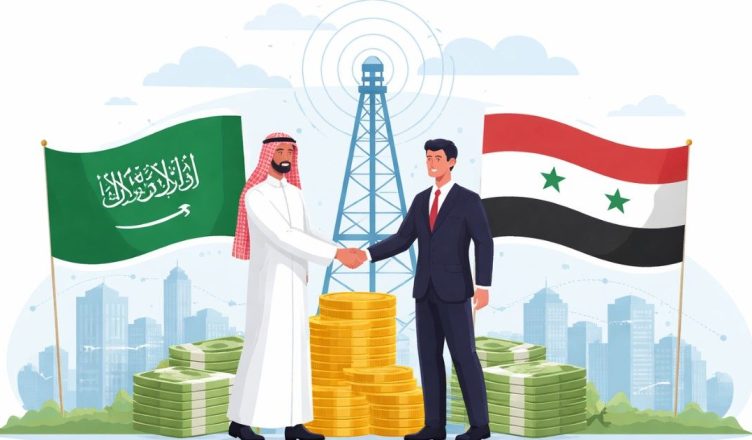
Saudi Arabia and Syria have signed a $1 billion telecom agreement, marking a major development in regional connectivity and infrastructure cooperation. The deal is expected to strengthen digital networks, improve internet services, and support economic rebuilding efforts in Syria.
The agreement comes at a time when digital infrastructure is becoming central to growth, trade, and security across the Middle East. For India and other global markets watching the region, this development signals deeper economic engagement and a push toward modern telecom systems.
Here is what the $1 billion Saudi-Syria telecom deal means and why it matters.
What Is the $1 Billion Saudi-Syria Telecom Deal?
The agreement focuses on upgrading and expanding Syria’s telecommunications infrastructure. The total value of the deal stands at $1 billion, making it one of the largest telecom-related investments involving Syria in recent years.
The project is expected to include:
- Expansion of mobile network coverage
- Development of high-speed internet services
- Upgrading fiber-optic networks
- Improving telecom towers and backbone systems
- Enhancing digital connectivity across urban and rural areas
The deal reflects Saudi Arabia’s growing economic involvement in regional infrastructure projects.
Why This Deal Matters Now
The Middle East is witnessing rapid digital growth. Countries in the region are investing heavily in:
- 5G networks
- Data centres
- Smart city projects
- Cross-border digital links
Syria’s telecom sector has faced years of disruption due to conflict and infrastructure damage. Rebuilding connectivity is seen as a key step in supporting businesses, education, healthcare, and public services.
The $1 billion telecom investment is therefore not just a business move. It is also a strategic step toward economic recovery and regional integration.
Impact on Syria’s Digital Infrastructure
1. Improved Mobile Coverage
Many regions in Syria still face weak signal strength and limited coverage. Upgraded towers and network systems could improve connectivity for millions of users.
Better mobile coverage may also support:
- Online banking
- Digital payments
- E-commerce platforms
- Remote education services
2. Faster Internet Speeds
Fiber-optic upgrades can improve internet speed and stability. Businesses that rely on digital tools may benefit directly.
High-speed internet can support startups and technology firms. It can also attract foreign investment into Syria’s digital sector.
3. Strengthened Digital Backbone
Telecom infrastructure forms the backbone of modern economies. Strong networks help improve government services, emergency response systems, and communication reliability.
Saudi Arabia’s Strategic Role in the Region
Saudi Arabia has been investing in digital and telecom projects as part of its broader economic diversification strategy.
The Kingdom’s Vision 2030 plan focuses on:
- Technology development
- Digital transformation
- Infrastructure expansion
- Regional partnerships
By participating in Syria’s telecom development, Saudi Arabia strengthens its regional economic ties.
This move may also increase Saudi influence in regional connectivity corridors.
What It Means for Middle East Connectivity
The Middle East is working toward deeper digital integration. Cross-border telecom cooperation can help create more stable and interconnected networks.
The Saudi-Syria telecom deal could lead to:
- Better cross-border data flow
- Reduced network disruptions
- Improved regional communication
- Greater economic cooperation
Improved connectivity can also help trade and logistics. Businesses rely on strong digital systems for payments, tracking, and coordination.
Possible Benefits for Businesses and Consumers
For Businesses
- More stable internet for operations
- Better access to digital markets
- Improved communication systems
- Growth of online services
For Consumers
- Faster mobile data speeds
- Better call quality
- More reliable internet services
- Access to digital platforms
Digital inclusion can also increase employment opportunities in the technology and telecom sectors.
Economic Implications of the $1 Billion Investment
A $1 billion telecom deal brings direct and indirect economic effects.
1. Infrastructure Jobs
Telecom projects require engineers, technicians, and construction workers. This can create short-term and long-term jobs.
2. Technology Transfer
International partnerships may support knowledge sharing and technical expertise.
3. Market Stability
Stronger telecom networks can attract businesses that depend on digital reliability.
Infrastructure investment often acts as a foundation for wider economic recovery.
Geopolitical and Regional Context
Telecom infrastructure has both economic and strategic value. Stable communication networks are important for national security and governance.
The Middle East has seen growing cooperation in energy, trade, and digital infrastructure. The Saudi-Syria telecom agreement may reflect broader diplomatic and economic realignments in the region.
However, the long-term success of the project will depend on:
- Implementation speed
- Regulatory clarity
- Security conditions
- International partnerships
How This Affects Global Markets
Global telecom companies and investors closely monitor infrastructure developments in emerging markets.
Large-scale digital investments can signal:
- Market opening
- Economic stabilisation
- Future growth potential
For Indian telecom firms and infrastructure companies, regional developments may create future partnership opportunities.
India has strong expertise in telecom technology, fiber deployment, and digital platforms. Regional digital expansion in the Middle East may open new business discussions.
Challenges Ahead
While the announcement is significant, execution remains critical.
Key challenges may include:
- Infrastructure rebuilding complexity
- Funding distribution
- Network security standards
- Technical integration
Telecom projects require coordination between government authorities, private operators, and regulatory bodies.
Ensuring transparency and timely delivery will be essential.
What to Watch Next
Investors and policy observers will look for:
- Project timelines
- Implementation phases
- Involvement of telecom operators
- Regulatory approvals
If executed successfully, the project may encourage further regional telecom partnerships.
Why This Development Matters Today
Digital infrastructure is no longer optional. It is central to economic growth, education, healthcare, and governance.
The Saudi Arabia–Syria $1 billion telecom deal signals a push toward rebuilding and modernising connectivity in a region that has faced disruption.
For Middle East economies, stronger digital networks can:
- Support trade
- Improve public services
- Enable innovation
- Strengthen regional cooperation
As the world becomes more connected, telecom partnerships are becoming key tools of economic diplomacy.
The signing of the $1 billion telecom agreement between Saudi Arabia and Syria marks a significant step in regional infrastructure development.
The deal aims to upgrade mobile networks, improve internet speeds, and strengthen digital systems across Syria. It also reflects Saudi Arabia’s broader strategy of investing in technology and regional cooperation.
If implemented effectively, the project could reshape connectivity in parts of the Middle East. It may support economic rebuilding and encourage further digital partnerships.
The coming months will reveal how quickly the project moves from agreement to ground-level execution.
For now, the deal highlights one clear message: connectivity is becoming a central pillar of economic and regional strategy in the Middle East.
Also Read: Netflix Price Debate: Co-CEO Ted Sarandos Backs ‘1 Click Solution’ Amid Subscription Cost Concerns
Follow us on google news: Click Here
Last Updated on: Sunday, February 8, 2026 10:53 pm by News Estate Team | Published by: News Estate Team on Sunday, February 8, 2026 9:36 pm | News Categories: Trending
About The Author
