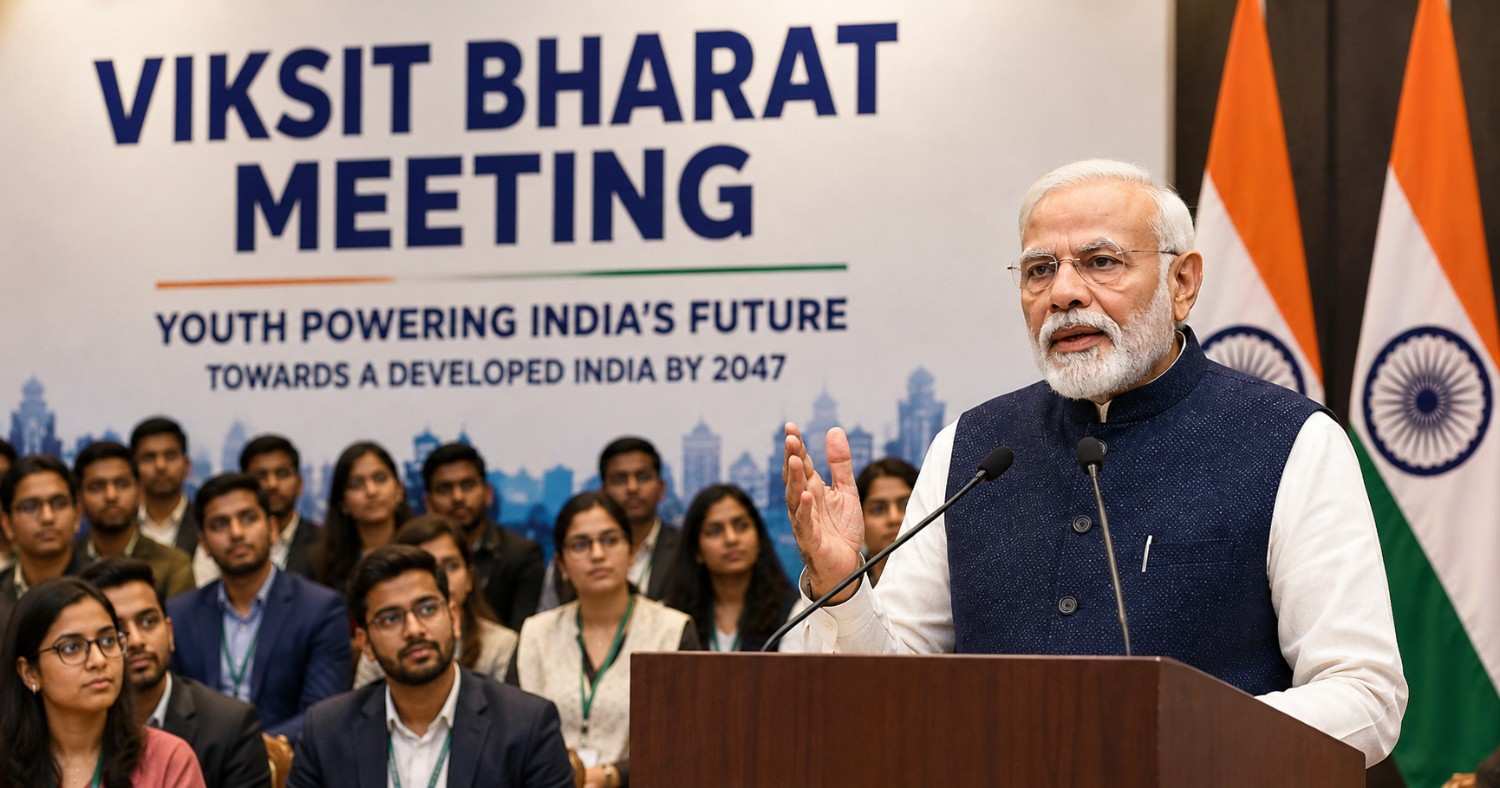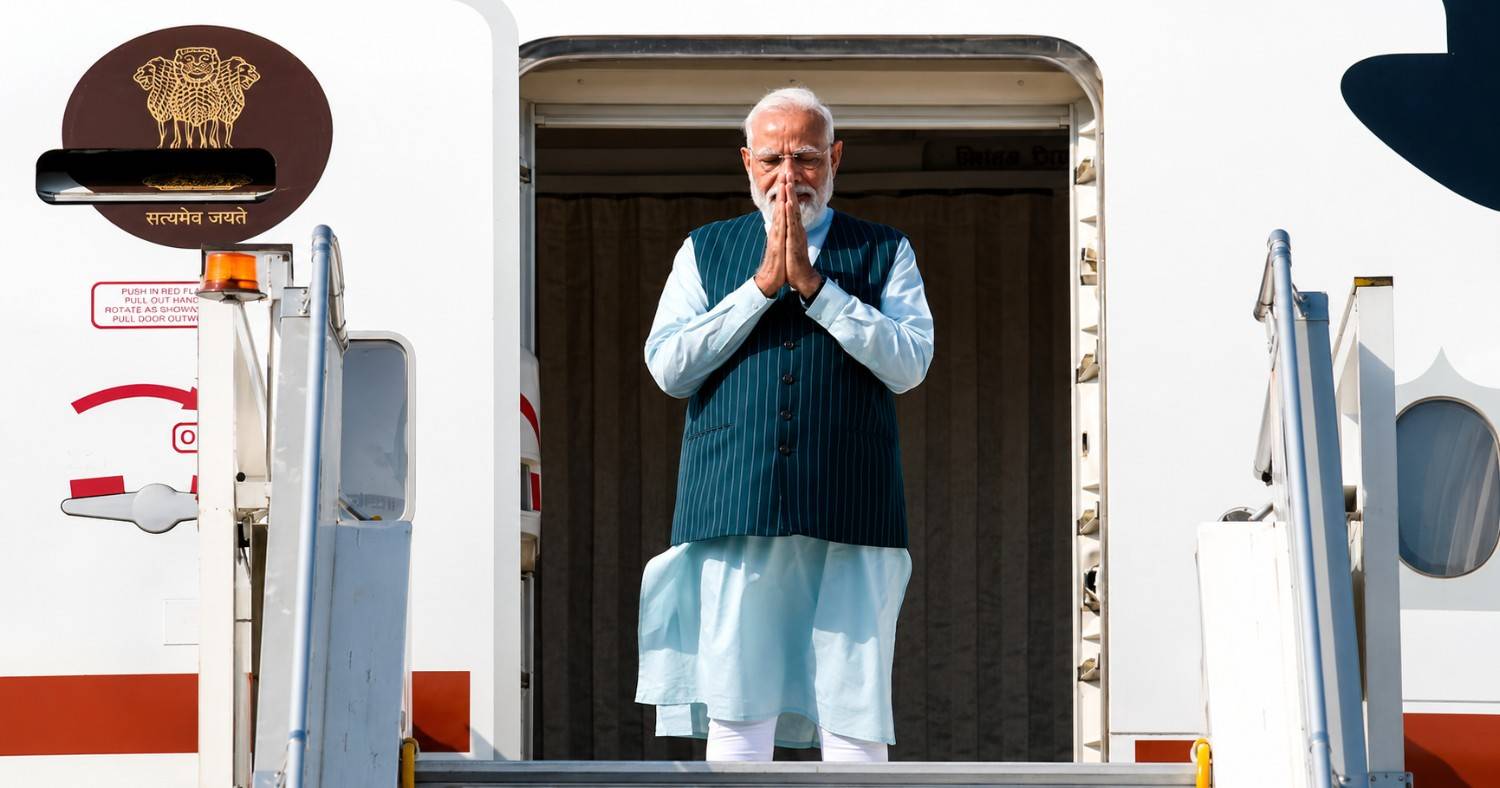


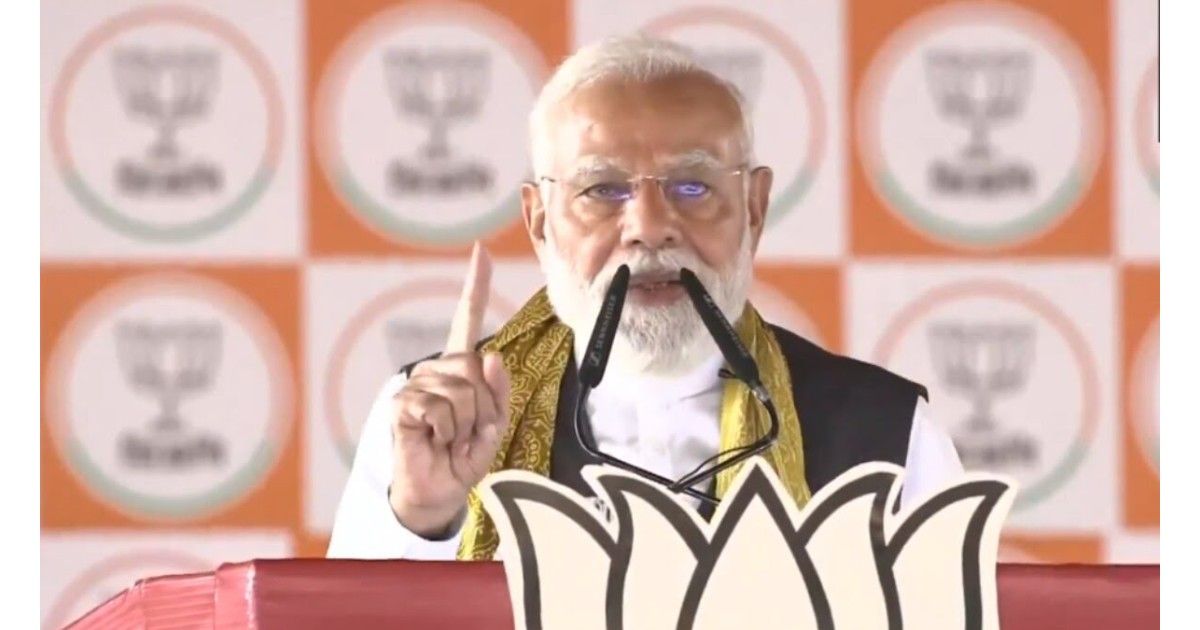
Haldia, April 9: Prime Minister Narendra Modi on Thursday addressed a political rally in Haldia, West Bengal, where he sharply criticised the ruling Trinamool Congress (TMC) government and outlined his party’s development agenda ahead of the 2026 Assembly elections. Positioning the upcoming polls as a turning point for the state, Modi focused on issues of investment, employment, governance, and implementation of central schemes.
Key Announcements and Highlights
At the rally, the Prime Minister framed his message around economic revival and governance reforms. He emphasised that investor confidence depends on stability and transparency, not fear or coercion. According to Modi, West Bengal has experienced industrial stagnation due to governance challenges, which he attributed to the current administration.
He highlighted several key points:
- Investment climate must be based on trust and policy stability
- Industrial growth has slowed in Bengal compared to other states
- Youth migration is rising due to lack of local job opportunities
- Central welfare schemes are not being fully implemented in the state
- BJP aims to introduce a “double-engine government” model for faster development
The Prime Minister also pointed to Haldia’s historical role as an industrial hub and expressed concern over what he described as declining economic activity in the region.
Modi’s Criticism of State Governance
During his speech, Modi accused the TMC government of creating an environment that discourages investment. He alleged that businesses require security and predictability, suggesting that governance issues have hindered economic growth in the state.
Without providing specific data during the speech, he claimed that several industries have either shut down or reduced operations, leading to job losses. He also referred to what he described as “syndicate politics,” alleging that local-level systems create barriers for businesses and infrastructure projects.
The Prime Minister contrasted this with BJP-ruled states, which he said have been able to attract investment due to streamlined policies and administrative efficiency.
Focus on Employment and Migration
A significant part of Modi’s address focused on employment. He stated that West Bengal, which once attracted workers from other regions, is now witnessing an outflow of its own workforce.
According to him, young people are moving to states such as Odisha and other regions in search of better opportunities. He attributed this trend to limited job creation and alleged irregularities in recruitment processes.
Modi also mentioned complaints regarding corruption in hiring practices, including allegations of monetary exchanges in recruitment. These claims have been part of broader political debates in the state, although they remain contested between parties.
Political Context and Electoral Messaging
The Prime Minister linked his remarks to the upcoming 2026 Assembly elections, describing them as an opportunity for political change. He referenced past electoral outcomes, including the closely watched Nandigram contest in 2021, to suggest growing support for the BJP in the state.
While projecting confidence about future electoral prospects, Modi framed the BJP’s campaign around governance reforms, economic revival, and improved delivery of public services.
Allegations on Reservation Policies
Another key issue raised in the speech was the state government’s approach to reservation policies. Modi criticised what he described as religion-based reservations, calling them unconstitutional and alleging that such measures are driven by electoral considerations.
He stated that such policies have faced legal challenges and argued that they do not adequately address the needs of other communities. The issue of reservations remains sensitive and legally complex, with multiple court interventions shaping its implementation.
Implementation of Central Schemes
The Prime Minister also addressed the rollout of central government schemes in West Bengal. He alleged that several initiatives have either been delayed or rebranded by the state government.
Among the schemes mentioned:
- Pradhan Mantri Matsya Sampada Yojana: Modi said the scheme has contributed to increased fish and shrimp production nationally, but claimed its impact in Bengal is limited due to implementation gaps.
- Ayushman Bharat: He stated that the health insurance scheme, which provides coverage for economically weaker sections, has not been fully adopted in the state, affecting access to healthcare for eligible beneficiaries.
The West Bengal government has previously maintained that it runs its own welfare schemes tailored to the state’s needs, often leading to political disagreements over credit and implementation.
Development Vision: “Double-Engine Government”
Modi reiterated the BJP’s “double-engine government” concept, which refers to having the same party in power at both the central and state levels. He argued that such alignment leads to faster decision-making and smoother execution of development projects.
For West Bengal, he outlined a development roadmap that includes:
- Port-led economic growth, particularly leveraging Haldia’s strategic location
- Expansion of the blue economy, including fisheries and marine industries
- Agricultural support for farmers and allied sectors
- Employment initiatives such as job fairs and skill development programs
He suggested that coordinated governance could help the state regain its economic momentum.
Context and Background
West Bengal has historically been an important economic centre, particularly during the colonial period and early decades after independence. Cities like Kolkata and industrial zones such as Haldia played key roles in trade, manufacturing, and logistics.
However, over the years, industrial growth in the state has been uneven. Analysts often cite factors such as land acquisition challenges, policy shifts, and political dynamics as influencing investment patterns.
The political contest between the BJP and TMC has intensified since the 2021 Assembly elections, where the TMC retained power with a significant mandate. Since then, both parties have continued to engage in strong political messaging ahead of the next electoral cycle.
Public Impact and Why It Matters
The issues raised during the rally—investment, employment, and welfare delivery—have direct implications for residents of West Bengal.
- For job seekers: Employment opportunities and recruitment transparency remain critical concerns.
- For businesses: Policy clarity and ease of doing business influence investment decisions.
- For beneficiaries of welfare schemes: Effective implementation determines access to healthcare, subsidies, and financial support.
If addressed effectively, these factors could shape the state’s economic trajectory in the coming years.
At the same time, many of the claims made during political rallies are part of broader electoral narratives. Voters will ultimately assess these arguments alongside the state government’s record and its own development initiatives.
As West Bengal moves closer to the 2026 Assembly elections, political discourse is expected to intensify further. Competing visions for governance and development are likely to dominate the campaign, with parties focusing on economic growth, social welfare, and administrative reforms. The outcome will play a significant role in determining the state’s policy direction and development priorities in the years ahead.
Inputs and images : Hindusthan Samachar
Edited By E. Devanshi varma
Also Read: Assam Assembly Elections 2026 Sees 38.92% Turnout by 11 AM Amid Steady Voting
Follow us on Google News: Click Here