


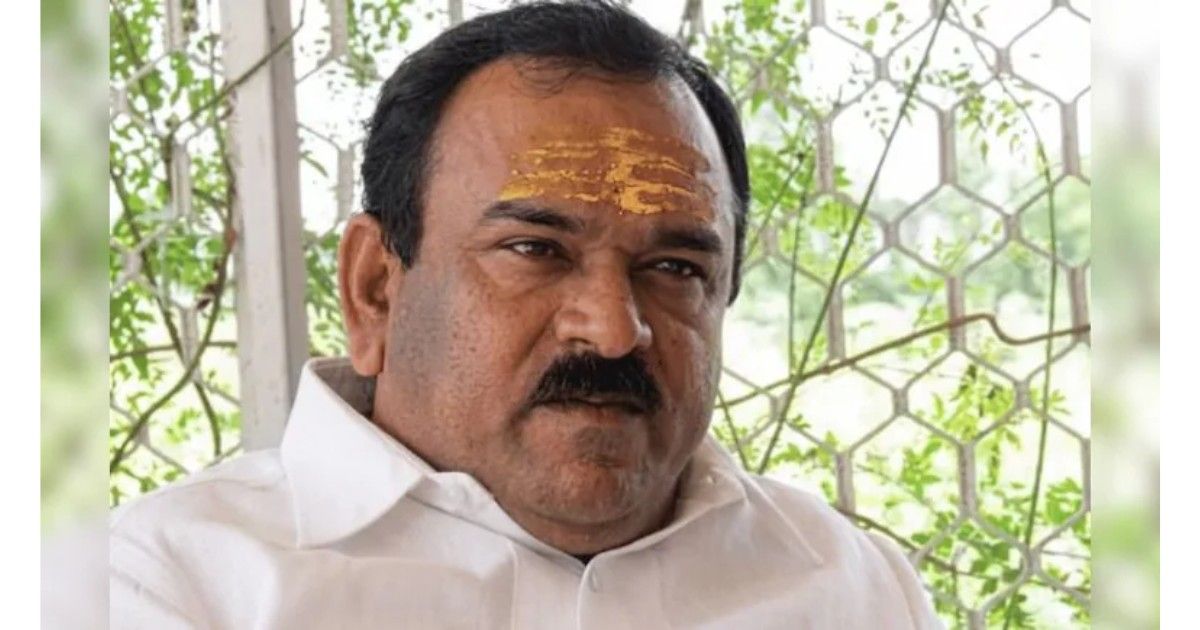
A major investigation into Nashik-based self-styled godman Ashok Kharat has widened, with authorities uncovering fresh allegations of financial fraud alongside earlier charges of sexual exploitation. Police on April 21 confirmed that Kharat allegedly created 32 fake accounts in a rural credit society to siphon off nearly ₹57.9 lakh over several years.
The case, which initially began with allegations of sexual misconduct, has now evolved into a multi-layered probe involving financial irregularities, suspected money laundering, and possible institutional lapses.
Key Developments in the Nashik Case
According to police officials, the latest complaint pertains to fraudulent activities carried out between 2016 and 2023. Investigators allege that Kharat opened and operated 32 bank accounts in the name of unsuspecting individuals without their knowledge or consent.
These accounts were reportedly created within the Jagdamba Rural Non-Agriculture Credit Society, a local financial institution. Authorities believe the accounts were used to divert funds amounting to ₹57,90,979.
The police have registered a fresh offence not only against Kharat but also against members of the credit society’s management. Officials are examining whether the institution’s staff were complicit or negligent in allowing such accounts to be opened without proper documentation or verification.
Allegations of Systemic Lapses
Investigators are now focusing on how such a large number of accounts could be opened without triggering internal checks. Typically, financial institutions are required to follow Know Your Customer (KYC) norms, which involve verifying the identity and consent of account holders.
In this case, police say those safeguards appear to have been bypassed or ignored. The role of the credit society’s management is under scrutiny, with officials probing whether due diligence procedures were deliberately overlooked.
If proven, this could point to broader systemic weaknesses in smaller financial institutions, particularly rural credit societies that may not have robust compliance mechanisms in place.
Enforcement Directorate Steps In
The financial dimension of the case has also drawn the attention of the Enforcement Directorate (ED), India’s federal agency tasked with investigating economic crimes.
Officials confirmed that the ED has initiated an inquiry into Kharat’s financial dealings. During preliminary investigations, the agency conducted searches at the credit society’s office and seized documents believed to be linked to the fraudulent transactions.
Based on initial findings, the ED has registered a case under provisions related to money laundering. This suggests that authorities suspect the funds may have been routed or concealed through illegal means to disguise their origin.
The ED’s involvement adds another layer of seriousness to the case, as money laundering charges often carry stringent legal consequences, including attachment of assets and extended prison terms.
Background: From Spiritual Claims to Criminal Charges
Ashok Kharat first came under the scanner following a complaint of sexual exploitation. He was arrested on March 17 after allegations surfaced that he had misused his position as a spiritual figure to exploit followers.
Kharat had reportedly built a following by projecting himself as someone possessing supernatural powers. According to investigators, this image helped him gain the trust of individuals, some of whom later accused him of misconduct.
Following his arrest, multiple complaints began to emerge, leading police to uncover a pattern of alleged wrongdoing that extended beyond sexual exploitation into financial crimes.
So far, authorities have registered five separate offences against him, all of which have been presented before the court.
Expanding Scope of Investigation
The investigation has continued to expand in scope as new details emerge. Police officials have indicated that they are also examining Kharat’s alleged connections with influential individuals.
While no specific names have been disclosed, authorities say they are verifying whether any individuals in positions of power may have facilitated or overlooked his activities.
Kharat has remained in police custody since his arrest, with investigators repeatedly seeking extensions to question him further. Officials argue that the complexity of the case—spanning multiple offences and financial transactions—requires sustained interrogation.
Legal and Financial Implications
The case highlights the intersection of financial fraud and abuse of influence, particularly when individuals exploit positions of trust for personal gain.
Legal experts note that if the allegations are proven, Kharat could face charges under multiple sections of the Indian Penal Code (IPC), including cheating, forgery, and criminal breach of trust. The money laundering case initiated by the ED would be pursued under the Prevention of Money Laundering Act (PMLA).
Additionally, the involvement of the credit society’s management raises questions about institutional accountability. If found guilty, those responsible could face penalties ranging from fines to imprisonment, along with regulatory action against the institution itself.
Why This Case Matters
This case is significant for several reasons. First, it underscores how individuals posing as spiritual leaders can exploit followers’ trust, both emotionally and financially.
Second, it raises concerns about the functioning of smaller financial institutions, particularly in rural or semi-urban areas. The alleged bypassing of KYC norms suggests gaps in regulatory oversight that could be exploited for fraudulent activities.
Third, the case illustrates how financial crimes can remain undetected for years. The alleged fraud spanned seven years, indicating that systematic checks either failed or were not enforced effectively.
Impact on Victims and Public Trust
For the individuals whose identities were allegedly used to open fake accounts, the implications could be serious. Victims may face legal complications, credit issues, or reputational damage despite having no involvement in the transactions.
Authorities are expected to reach out to affected individuals as part of the investigation and may take steps to ensure that they are not held liable for fraudulent activities conducted in their names.
More broadly, such cases can erode public trust in both spiritual institutions and financial systems. Experts say that rebuilding this trust requires stricter enforcement of regulations and greater public awareness.
Ongoing Investigation and Next Steps
Police and central agencies continue to gather evidence and record statements from witnesses and officials associated with the credit society. Forensic analysis of financial records is also underway to trace the flow of funds.
Authorities have not ruled out the possibility of additional cases being registered as the investigation progresses. Given the multiple angles involved—sexual exploitation, financial fraud, and money laundering—the case is expected to take time to reach its conclusion.
Kharat remains in custody as investigators pursue further leads. The outcome of the case will likely depend on the strength of documentary evidence, witness testimonies, and financial trails established during the probe.
Inputs and images : Hindusthan Samachar
Edited By E. Devanshi varma
Also Read: US Envoy Begins Nepal Visit with 3 Strategic Talks, Meets RSP Leader Ravi Lamichhane
Follow us on Google News: Click Here