
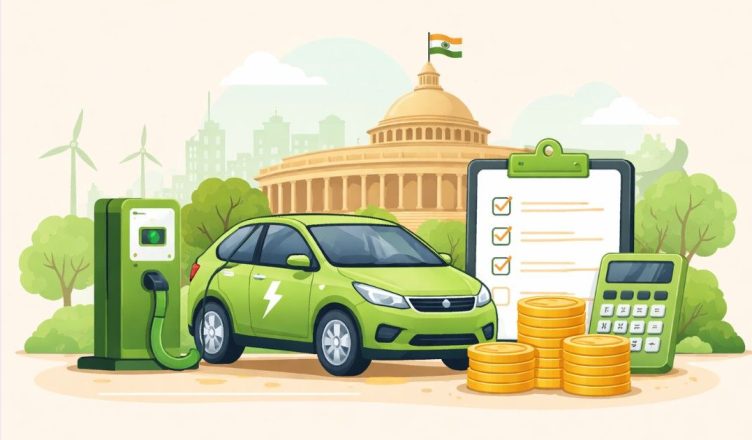
Electric Vehicle Tax in Indian market is growing fast in 2026. More buyers are choosing electric cars and scooters as fuel prices remain high and charging stations increase across cities.
But for many people, one key question remains: What tax benefits and incentives are available in 2026?
The government has made several policy changes in recent years under schemes like FAME-II, state EV policies, and income tax benefits under Section 80EEB. Some incentives continue, some have changed, and some depend on where you live.
Here is a clear and updated guide to help Indian buyers understand EV tax incentives in 2026, including central benefits, state subsidies, road tax waivers, and income tax deductions.
Why EV Tax Incentives Matter in 2026
Electric vehicles usually cost more upfront than petrol or diesel vehicles.
However, tax incentives and subsidies can reduce the total cost significantly.
In 2026, buyers are focusing on three major benefits:
- Lower GST on EVs
- Income tax deduction on EV loans
- State-level subsidies and road tax waivers
Understanding these benefits can help buyers save money and make smarter decisions.
GST on Electric Vehicles in 2026
One of the biggest benefits for EV buyers in India is the reduced GST rate.
GST Rate on EVs: 5%
Electric vehicles attract only 5% GST, compared to 28% GST on most petrol and diesel vehicles.
This lower GST applies to:
- Electric cars
- Electric two-wheelers
- Electric three-wheelers
This policy continues in 2026 and remains one of the strongest incentives for EV adoption.
Income Tax Benefit Under Section 80EEB
Buyers who take a loan to purchase an electric vehicle can claim tax benefits.
Key Details of Section 80EEB
- Maximum deduction: Up to ₹1.5 lakh
- Applies only on interest paid on EV loan
- Available to individual taxpayers
- Applies to loans taken from financial institutions
This deduction reduces taxable income and helps lower overall tax liability.
Important Points to Note:
- The loan must be for an electric vehicle only.
- The benefit applies only on interest, not the principal amount.
- Buyers should check eligibility with their tax advisor.
As of 2026, this benefit continues to be available, subject to government policy updates in the Union Budget.
Central Government EV Subsidies
FAME-II Scheme Status
The Faster Adoption and Manufacturing of Electric Vehicles (FAME-II) scheme has played a major role in reducing EV prices.
Under FAME-II:
- Electric two-wheelers received subsidies based on battery capacity.
- Electric buses and commercial vehicles were also supported.
However, subsidy amounts and eligibility rules have seen adjustments in recent years.
Buyers should check:
- Whether the vehicle is FAME-approved
- Whether the manufacturer is listed under the eligible scheme
Subsidies mainly benefit:
- Electric two-wheelers
- Commercial electric vehicles
Private electric car buyers currently receive more benefit through GST reduction and state incentives rather than direct central subsidy.
State-Level EV Incentives in 2026
State policies differ across India. Some states offer strong financial benefits, while others focus on infrastructure.
Here are common state-level benefits:
Road Tax Waiver
Many states offer:
- 100% road tax exemption
- Or significant road tax reduction
This can save buyers thousands of rupees.
Registration Fee Waiver
Several states waive:
- Registration charges
- Or offer discounted registration fees
State Subsidies
Some states provide direct purchase incentives, especially for:
- Electric two-wheelers
- Electric auto-rickshaws
Major EV-friendly states include:
- Delhi
- Maharashtra
- Gujarat
- Tamil Nadu
- Karnataka
Buyers must check the latest state notification before purchase, as incentive amounts may change based on policy revisions.
Battery and Charging Infrastructure Incentives
While private home chargers are not always directly subsidized, some state governments offer:
- Support for residential charger installation
- Lower electricity tariffs for EV charging
In 2026, several housing societies in metro cities are also installing shared charging points.
This improves the long-term savings for EV owners.
Electric Two-Wheeler vs Electric Car: Tax Benefit Comparison
Electric Two-Wheelers
- Lower upfront cost
- Eligible for FAME subsidy (if approved model)
- Road tax exemption in many states
- Lower insurance premium in many cases
Electric Cars
- 5% GST benefit
- Section 80EEB income tax deduction
- Road tax exemption in select states
- No standard central purchase subsidy for private buyers
For many middle-class families, electric scooters remain the most affordable entry into EV ownership in 2026.
Corporate and Fleet Buyers: Additional Incentives
Businesses investing in electric vehicles may also benefit from:
- Depreciation benefits under income tax rules
- Lower operational costs
- Potential state-level commercial vehicle subsidies
Fleet operators, delivery companies, and ride-hailing platforms continue to shift toward electric vehicles due to policy support and lower fuel expenses.
Are EV Incentives Expected to Change in 2026?
Government policy can change through:
- Union Budget announcements
- Ministry of Heavy Industries notifications
- State government updates
Industry experts expect:
- Continued focus on electric mobility
- Gradual shift from direct subsidies to infrastructure support
- Strong push toward domestic battery manufacturing
However, buyers should verify the latest official notifications before making a purchase decision.
How Much Can Buyers Actually Save?
Savings depend on:
- Vehicle type
- State of registration
- Loan amount
- Interest paid
Possible savings may include:
- Lower GST (5% vs 28%)
- Up to ₹1.5 lakh tax deduction on interest
- Road tax savings
- Registration fee waiver
In some states, total savings can be significant compared to traditional vehicles.
What Buyers Should Check Before Buying an EV in 2026
Before booking an electric vehicle, buyers should:
- Confirm if the model is eligible under FAME or state subsidy.
- Check road tax and registration benefits in their state.
- Ask the dealer for clear subsidy details.
- Confirm loan eligibility under Section 80EEB.
- Compare charging infrastructure in their city.
Being informed helps avoid confusion and ensures maximum benefit.
The Bigger Picture: India’s EV Push in 2026
India aims to reduce oil imports and pollution levels. Electric mobility plays a key role in this plan.
Government support continues through:
- Lower GST
- Tax benefits
- State EV policies
- Charging infrastructure expansion
While direct subsidies may evolve, the policy direction remains focused on long-term EV adoption.
Final Word: Should You Buy an EV in 2026?
Electric vehicle tax incentives in 2026 continue to offer meaningful savings for Indian buyers.
The 5% GST rate, income tax deduction up to ₹1.5 lakh, and state-level road tax waivers remain key advantages.
However, incentives vary by state and vehicle type. Buyers should check official updates before making a decision.
For many Indian consumers, 2026 remains a practical time to consider electric vehicles — especially in cities with strong charging networks and active state policies.
As fuel costs stay high and EV technology improves, tax incentives continue to support India’s shift toward cleaner mobility.
Also Read: Indore Records Severe February Cold in 2 Years; IMD Issues Critical Weather Forecast
Follow us on google news: Click Here
Last Updated on: Monday, February 9, 2026 2:51 pm by News Estate Team | Published by: News Estate Team on Monday, February 9, 2026 2:51 pm | News Categories: Automobile
About The Author
