
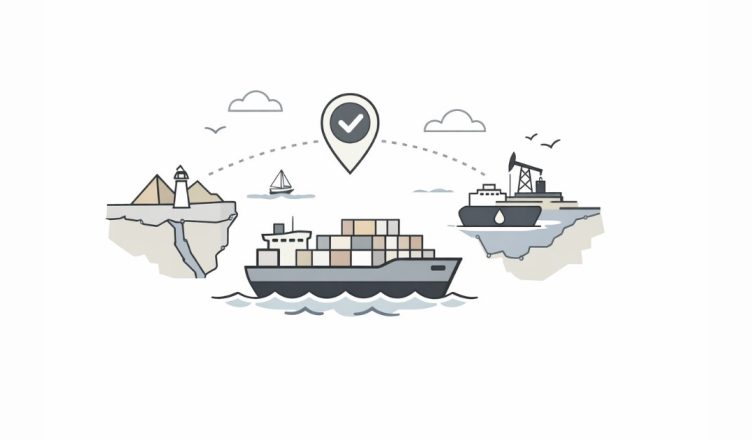
Gulf shipping crisis relief for India as maritime routes stabilize in the Middle East, easing concerns over trade and energy supply disruptions.
The ongoing maritime tensions in the Middle East have shown signs of easing, offering Gulf shipping crisis relief for India as key trade routes begin to stabilize. Shipping companies and trade officials report gradual improvements in vessel movement through critical sea lanes, helping reduce concerns about disruptions to India’s imports and exports.
India depends heavily on maritime trade routes through the Gulf region, particularly for energy supplies and commercial shipments. Any disruption in these routes can significantly affect global trade flows and energy markets.
Recent developments suggest that coordinated security efforts and diplomatic engagement have helped reduce immediate risks to commercial shipping, bringing cautious optimism to businesses that rely on these routes.
Importance of Gulf Shipping Routes for India
The Gulf shipping crisis relief for India is significant because the country relies on maritime trade through the Middle East for a large portion of its energy and commercial imports.
One of the most critical maritime passages in this region is the Strait of Hormuz, through which a substantial share of the world’s oil shipments pass.
India imports a major portion of its crude oil from Gulf countries, making uninterrupted shipping through this corridor essential for the country’s energy security.
In addition to oil, the route is also used for transporting goods such as petrochemicals, fertilizers, electronics, and industrial equipment.
Any threat to shipping in this region therefore has the potential to affect India’s trade balance and domestic markets.
Background of the Gulf Shipping Crisis
The Gulf shipping crisis relief for India follows weeks of uncertainty caused by rising geopolitical tensions in the Middle East.
Military confrontations and security threats in the region raised concerns about the safety of cargo vessels traveling through the Persian Gulf and surrounding waters.
Shipping companies temporarily increased insurance premiums and diverted some routes to avoid high-risk areas.
The situation also led to delays in cargo deliveries and increased transportation costs for several countries dependent on these trade routes.
For India, which is among the world’s largest importers of energy resources, these disruptions created concerns about supply stability.
Security Measures for Commercial Shipping
One of the reasons behind the Gulf shipping crisis relief for India has been the strengthening of maritime security measures.
Naval forces from multiple countries have increased patrols to ensure the safety of commercial vessels traveling through sensitive sea lanes.
These patrols aim to deter attacks on cargo ships and maintain safe navigation for global trade.
Shipping companies have also introduced additional safety protocols, including route monitoring and real-time communication with maritime security agencies.
Such measures have helped restore confidence among shipping operators and cargo carriers.
Diplomatic Efforts to Reduce Tensions
Diplomatic engagement has also played a role in bringing Gulf shipping crisis relief for India.
Regional governments and international organizations have been working to de-escalate tensions and prevent further disruptions to global shipping routes.
Discussions between key stakeholders have focused on maintaining the free flow of maritime commerce and ensuring the safety of international shipping lanes.
Diplomatic channels are often crucial in resolving conflicts that threaten global trade infrastructure.
By encouraging dialogue and cooperation, governments aim to prevent incidents that could disrupt maritime transportation.
Impact on India’s Energy Supplies
Energy security remains one of the most important factors behind the Gulf shipping crisis relief for India.
India imports a large share of its crude oil from Gulf producers, including Saudi Arabia, Iraq, and the United Arab Emirates.
Because these shipments travel through the Strait of Hormuz, any disruption in that corridor could affect fuel availability and pricing in India.
Stabilization of shipping routes therefore helps ensure that energy supplies continue to reach Indian ports without major delays.
Industry experts note that consistent supply lines also help prevent sudden spikes in domestic fuel prices.
Trade and Export Implications
The Gulf shipping crisis relief for India also benefits the country’s export sector.
Indian exporters rely on maritime routes to deliver goods to markets in the Middle East, Europe, and Africa.
Products such as textiles, pharmaceuticals, engineering goods, and agricultural commodities frequently travel through Gulf shipping corridors.
When shipping disruptions occur, exporters face delays and higher logistics costs.
With conditions improving, exporters expect smoother movement of cargo and more predictable delivery schedules.
Shipping Industry Response
Shipping companies and logistics operators have responded positively to the Gulf shipping crisis relief for India.
Several major shipping lines have resumed normal schedules after temporarily adjusting routes during the period of heightened tensions.
Insurance costs for vessels traveling through the region have also begun to stabilize, although they remain higher than during periods of complete stability.
Maritime analysts say that shipping companies continuously evaluate risks and adapt their operations accordingly.
The recent easing of tensions has therefore helped restore some level of normalcy to international shipping operations.
Impact on Global Energy Markets
The Gulf shipping crisis relief for India also has broader implications for global energy markets.
Because a large share of the world’s oil supply passes through the Persian Gulf, disruptions in the region often lead to volatility in oil prices.
When shipping routes face threats, traders anticipate potential supply shortages, which can drive prices upward.
Stabilization of maritime transportation therefore helps reduce uncertainty in energy markets.
For countries like India that rely heavily on imported oil, stable energy prices are crucial for maintaining economic balance.
Role of the Indian Government
The Indian government has closely monitored developments related to the Gulf shipping crisis relief for India.
Officials from ministries responsible for shipping, commerce, and petroleum have been coordinating with international partners to ensure that trade flows remain uninterrupted.
India’s diplomatic missions in the region have also been in contact with local authorities and maritime agencies to track the safety of shipping routes.
Such coordination helps ensure that Indian cargo vessels and energy shipments can continue operating safely.
Government agencies often work with shipping companies and port authorities during times of geopolitical tension.
Strategic Importance of Maritime Trade
The Gulf shipping crisis relief for India highlights the broader importance of maritime trade for the country’s economy.
India conducts a large portion of its international trade through sea routes.
Ports along the western coast handle significant volumes of cargo arriving from the Middle East and beyond.
Any disruption in maritime corridors can therefore have ripple effects across industries, from energy to manufacturing.
Ensuring the security and reliability of shipping routes remains a key priority for policymakers and trade organizations.
Future Outlook for Gulf Shipping
While the Gulf shipping crisis relief for India has eased immediate concerns, analysts caution that the region remains sensitive to geopolitical developments.
Maritime security experts emphasize the need for continued vigilance and cooperation among international naval forces.
Shipping companies are likely to maintain enhanced monitoring systems and contingency plans for potential disruptions.
Long-term stability in the region will depend on diplomatic engagement and efforts to resolve underlying geopolitical tensions.
For global trade and energy markets, maintaining secure sea lanes is essential.
Conclusion
The Gulf shipping crisis relief for India marks a positive development for the country’s trade and energy security.
Improved maritime safety, diplomatic engagement, and coordinated security measures have helped stabilize shipping routes in the Gulf region.
For India, which depends heavily on these corridors for energy imports and international trade, the easing of tensions brings much-needed reassurance to businesses and policymakers.
Although challenges remain, the recent improvements highlight the importance of cooperation and security in maintaining the smooth flow of global maritime commerce.
Also Read: Indian Stock Market Crash Today: BIG Fall in Sensex and Nifty Sparks Investor Concerns
Follow us on Google News: Click Here
Last Updated on: Friday, March 13, 2026 6:04 pm by E. Devanshi Varma | Published by: E. Devanshi Varma on Friday, March 13, 2026 6:04 pm | News Categories: Trending
About The Author
