
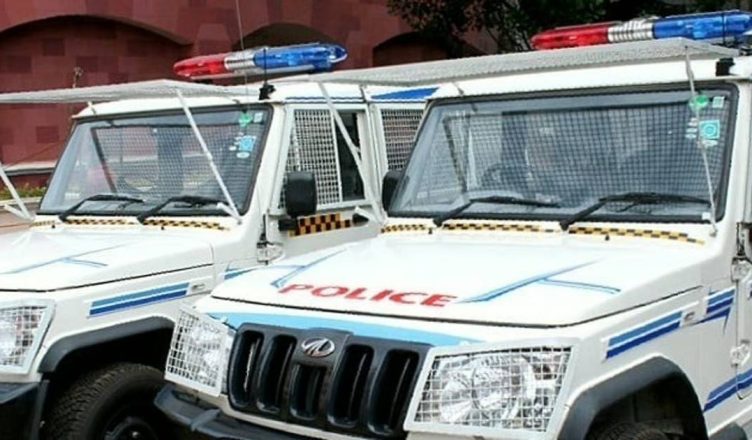
Polling in parts of Kerala’s Kasaragod district on Thursday (April 9) was briefly disrupted following two separate incidents that raised concerns over adherence to electoral procedures. Election officials intervened in both cases—one involving an alleged attempt to carry a hidden recording device into a polling booth, and another related to discrepancies in voting data recorded on an Electronic Voting Machine (EVM).
The incidents occurred in the Uduma and Manjeshwaram constituencies during the ongoing Assembly election process, prompting immediate action from authorities and assurances of further investigation.
Key Announcements / Highlights
- A United Democratic Front (UDF) chief election agent was taken into custody for allegedly entering a polling station with camera-equipped glasses.
- The incident took place at a polling booth in Bekal under the Uduma constituency.
- Authorities seized the device and initiated legal proceedings.
- In a separate case, polling was temporarily halted in Manjeshwaram after a mismatch between recorded votes and EVM data was identified.
- Voting resumed after initial checks, with officials promising a detailed inquiry into both incidents.
Hidden Camera Device Detected Inside Polling Booth
The more serious of the two incidents was reported from the Uduma constituency, where a chief election agent affiliated with the United Democratic Front was detained by police for allegedly violating polling station rules.
The individual, identified as advocate B.M. Jamal, had reportedly entered the polling station at Bekal Islamic ALP School while wearing glasses suspected to contain a hidden camera. Acting on prior information, election authorities and police officials monitored the situation and intervened once the individual was inside the booth premises.
A police team led by a Circle Inspector took Jamal into custody at the polling station itself. The glasses were confiscated and are currently under examination to confirm whether they contained a functioning recording mechanism.
Officials stated that carrying any recording device into a polling booth is strictly prohibited under election laws. The rule is designed to safeguard the secrecy of the ballot, which is a cornerstone of democratic elections. Even the possibility of recording voter activity inside the booth is treated as a serious breach.
Authorities indicated that further legal action would depend on forensic analysis of the device and the findings of the ongoing inquiry.
Why Recording Devices Are Prohibited in Polling Booths
Election rules in India explicitly ban the use of cameras, mobile phones, or any electronic recording equipment inside polling booths. This restriction ensures that voters can cast their ballots freely without fear of surveillance, coercion, or intimidation.
The secrecy of voting is a fundamental principle of the electoral system. Any attempt to document or monitor voter behavior inside the booth can compromise this principle and undermine public trust in the process.
In recent years, the Election Commission has tightened enforcement around such violations, especially with the increasing availability of compact recording devices that can be concealed in everyday items like glasses, pens, or buttons.
Voting Discrepancy Triggers Temporary Suspension
In a separate incident in the Manjeshwaram constituency, polling was briefly halted at Booth No. 21 located in Badaje Government LP School after polling agents noticed inconsistencies in voting data.
According to officials, 202 voters were recorded as having cast their votes based on polling registers. However, the Electronic Voting Machine reportedly displayed a count of 204 votes. The mismatch raised immediate concerns among booth agents representing different political parties.
Following objections, polling officials suspended voting temporarily to verify the figures and assess whether the discrepancy resulted from a technical issue, human error, or any other factor.
After preliminary checks, voting resumed at the booth. Election authorities have assured that the matter will be thoroughly investigated and that any irregularities, if confirmed, will be addressed in accordance with established procedures.
Understanding EVM Discrepancies
Electronic Voting Machines are widely used across India to conduct elections efficiently and transparently. While they are generally considered reliable, occasional discrepancies—such as mismatches between voter turnout records and machine counts—can occur.
Such mismatches may arise due to procedural errors, incorrect data entry, or rare technical glitches. However, even minor inconsistencies are taken seriously by election authorities, as they can affect the credibility of the electoral process.
Standard protocol requires immediate verification, documentation of the issue, and, if necessary, escalation to higher election officials for further scrutiny.
Official Response and Assurance
Election officials in Kasaragod responded swiftly to both incidents, emphasizing their commitment to maintaining the integrity of the voting process.
Authorities reiterated that strict action would be taken against any violations of electoral norms. They also highlighted that mechanisms are in place to detect and address irregularities in real time, ensuring minimal disruption to polling.
While no official statement was released publicly at the time of reporting, sources within the election administration confirmed that detailed reports are being prepared for submission to higher authorities.
Context: Heightened Vigilance During Elections
Incidents such as these come amid heightened scrutiny during elections, particularly in closely contested constituencies. Political parties typically deploy agents at polling stations to monitor proceedings and ensure compliance with rules.
However, these agents are also required to strictly follow guidelines set by the Election Commission. Any deviation—intentional or otherwise—can lead to legal consequences and may impact the credibility of the election.
The use of concealed devices has emerged as a growing concern in recent years, prompting authorities to adopt stricter checks and surveillance measures at polling stations.
Public Impact and Why This Matters
For voters, such incidents can raise questions about the transparency and fairness of the electoral process. However, the swift response by officials in both cases demonstrates the robustness of monitoring systems in place.
Ensuring that polling booths remain free from unauthorized devices is essential to protecting voter privacy. Similarly, promptly addressing discrepancies in voting data helps maintain confidence in electronic voting systems.
These measures are crucial not just for the integrity of a single election, but for sustaining long-term trust in democratic institutions.
What Happens Next
Both incidents are currently under investigation, with authorities expected to examine the seized device and analyze polling data in detail.
In the case involving the hidden camera glasses, forensic analysis will determine whether the device was capable of recording and whether any footage was captured. Legal proceedings will follow based on these findings.
For the voting discrepancy, officials are likely to review polling records, EVM logs, and procedural steps followed at the booth to identify the cause of the mismatch.
Election authorities have reiterated that any confirmed violations will be dealt with strictly, in line with electoral laws and guidelines.
Closing Perspective
While disruptions during elections are not uncommon, the handling of such incidents often defines public perception of the process. In Kasaragod, the prompt detection and response to both the alleged surveillance attempt and the voting discrepancy highlight the importance of vigilance at every level.
As the election process continues, authorities face the dual challenge of ensuring smooth polling while maintaining strict compliance with rules. For voters, the assurance lies in the fact that even minor irregularities are being taken seriously—an essential factor in upholding the credibility of the democratic process.
Inputs and images : Hindusthan Samachar
Edited By E. Devanshi varma
Also Read: Kerala Elections Mark a Defining Moment as Pinarayi Vijayan Stresses Development Continuity
Follow us on Google News: Click Here
Last Updated on: Thursday, April 9, 2026 2:44 pm by E. Devanshi Varma | Published by: E. Devanshi Varma on Thursday, April 9, 2026 2:44 pm | News Categories: Politics
About The Author
