

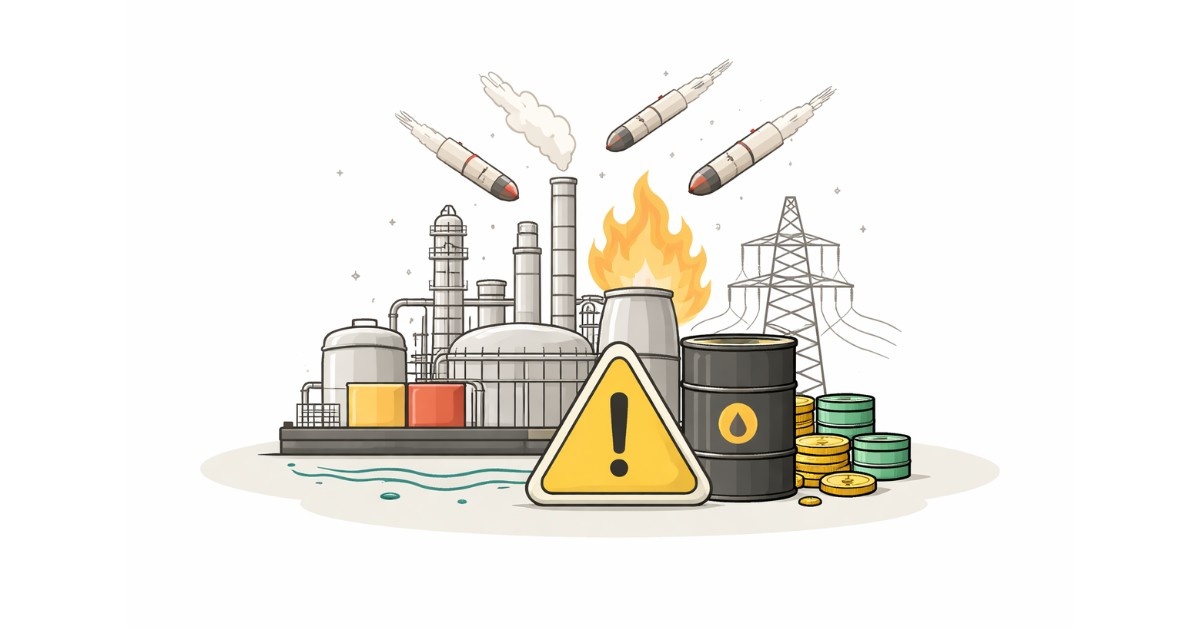
Concerns are mounting among Gulf nations over the potential impact of any escalation involving Iran’s energy infrastructure, particularly in the event of a strike targeting power generation facilities. Analysts say such a development could have ripple effects across the region, affecting electricity supply, water desalination, and fuel distribution systems.
The issue has gained attention following discussions around possible actions by Donald Trump, with experts cautioning that disruptions to Iran’s power systems could extend beyond its borders. Countries including Saudi Arabia, the United Arab Emirates, and Qatar are closely monitoring developments due to their reliance on interconnected energy and maritime systems.
Strategic Importance of Regional Energy Infrastructure
The Middle East hosts some of the world’s most critical energy infrastructure, including oil fields, refineries, pipelines, and power plants. Iran’s electricity network is interconnected with broader regional systems, both directly and indirectly, through shared resources and trade routes.
Experts note that power generation facilities are essential not only for domestic electricity supply but also for supporting oil and gas production. Disruptions to these facilities could affect upstream and downstream operations, creating a cascading effect on energy availability.
The region’s energy systems are also closely tied to industrial activities, transportation networks, and water supply, making them highly sensitive to operational disruptions.
Desalination and Water Supply Risks
One of the primary concerns highlighted by analysts is the potential impact on desalination plants, which are a critical source of fresh water in Gulf countries. These facilities rely heavily on stable electricity supply to operate efficiently.
Countries such as Saudi Arabia, the United Arab Emirates, and Qatar depend on desalination for a significant portion of their potable water. Any disruption in regional power stability could indirectly affect these operations.
Energy experts emphasize that while these nations maintain their own power infrastructure, regional instability can lead to increased strain on systems, particularly during peak demand periods.
Oil and Gas Production Interlinkages
Iran’s energy infrastructure plays a role in broader oil and gas dynamics in the region. Power plants support extraction, processing, and transportation of hydrocarbons. A disruption could lead to operational delays or reduced output.
While Gulf nations are major producers with their own infrastructure, the interconnected nature of global energy markets means that disruptions in one area can influence supply chains and pricing worldwide.
Shipping routes, including those passing through key maritime corridors, could also be affected by heightened tensions. This adds another layer of complexity for countries reliant on stable export and import flows.
Concerns Over the Strait of Hormuz
The Strait of Hormuz remains a focal point in discussions about regional stability. A significant portion of the world’s oil shipments passes through this narrow waterway, making it highly sensitive to geopolitical developments.
Any escalation involving Iran’s infrastructure could lead to increased security risks in the Strait of Hormuz, potentially affecting shipping operations. Gulf countries, which rely on this route for exporting oil and importing goods, are particularly vulnerable to disruptions.
Maritime experts note that even limited disruptions or heightened security measures can lead to delays and increased costs for shipping companies.
Regional Preparedness and Contingency Planning
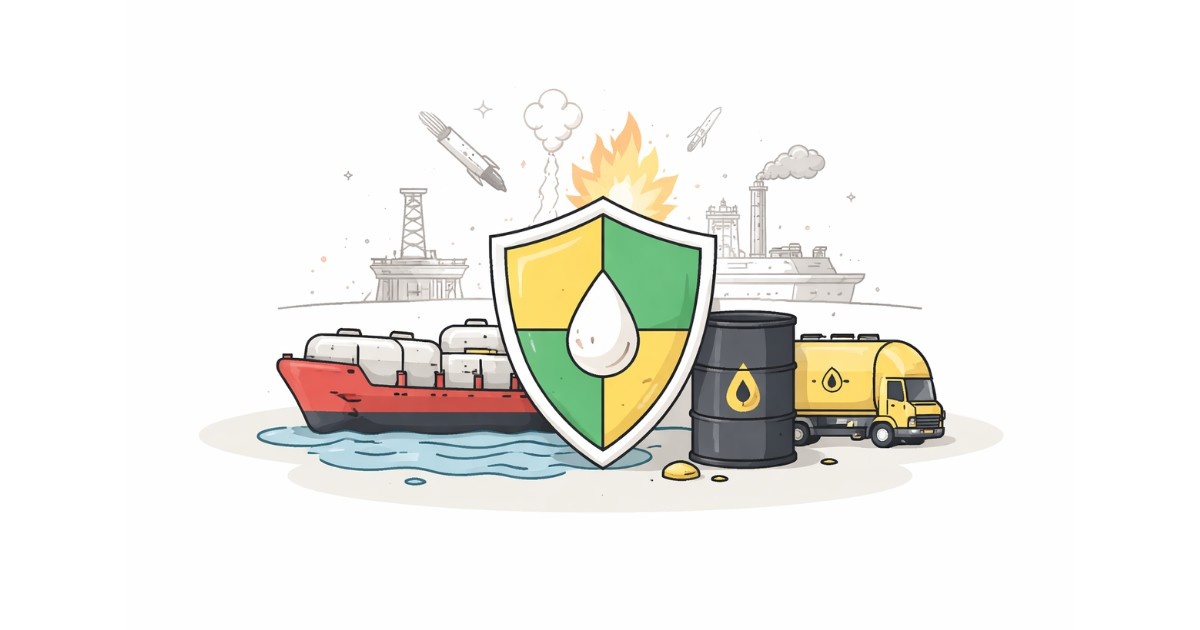
Governments in the Gulf region have been investing in contingency planning to address potential disruptions. This includes diversifying energy sources, expanding storage capacity, and strengthening infrastructure resilience.
Saudi Arabia has developed alternative export routes to reduce dependence on specific chokepoints, while the United Arab Emirates has invested in pipeline networks that bypass critical maritime routes.
Qatar, a major exporter of liquefied natural gas (LNG), has also taken steps to ensure continuity of supply through long-term contracts and diversified shipping arrangements.
Despite these measures, analysts note that the scale of potential disruptions remains uncertain, particularly in the event of prolonged instability.
Market Reactions and Price Volatility
Financial markets tend to respond quickly to geopolitical developments in the Middle East. Oil prices, in particular, are sensitive to any perceived threat to supply.
Analysts say that even the possibility of disruptions can lead to price volatility, as traders factor in risk premiums. This can have broader implications for global economies, including increased fuel costs and inflationary pressures.
Energy market observers are closely tracking developments, noting that price movements often reflect both actual supply conditions and market sentiment.
Diplomatic and Security Considerations
The situation has prompted diplomatic engagement among regional and global powers. Governments are working to manage tensions and ensure the stability of critical infrastructure.
Security measures around key facilities and shipping routes have been heightened in response to potential risks. Experts emphasize the importance of coordination among nations to prevent escalation and maintain the flow of energy supplies.
International organizations and alliances are also monitoring the situation, given its potential impact on global energy markets.
Expert Perspectives
Energy analysts and policy experts have highlighted the complexity of the situation. According to industry specialists, the impact of any disruption would depend on its scale, duration, and the effectiveness of response measures.
Some experts suggest that while Gulf nations have developed robust infrastructure, the interconnected nature of regional systems means that indirect effects cannot be ruled out.
Others emphasize the role of global markets in absorbing shocks, noting that alternative supply sources may help mitigate disruptions over time.
Long-Term Implications for Energy Security
The current concerns underscore the importance of long-term strategies for energy security in the Gulf region. Investments in renewable energy, infrastructure resilience, and diversification of supply sources are seen as critical steps.
Countries in the region have already begun transitioning toward more diversified energy portfolios, including solar and nuclear power. These efforts aim to reduce dependence on single sources and enhance overall stability.
However, experts caution that such transitions take time and may not fully offset short-term disruptions.
Conclusion
The possibility of disruptions to Iran’s power infrastructure has raised concerns across the Gulf region, with countries such as Saudi Arabia, the United Arab Emirates, and Qatar closely monitoring developments.
While no confirmed disruption has occurred, analysts highlight the potential risks to electricity supply, desalination systems, and oil and gas operations. The strategic importance of the Strait of Hormuz adds to the complexity of the situation.
As governments and industry stakeholders assess the evolving scenario, the focus remains on maintaining stability and ensuring the continuity of critical energy supplies in a region central to the global economy.
Edited By E. Devanshi varma
Also Read: PM Modi Addresses Lok Sabha During Iran Conflict, Outlines 5 Measures to Secure Energy Supplies
Follow us on Google News: Click Here