

Political tensions in West Bengal escalated on Friday after the Bharatiya Janata Party (BJP) accused Chief Minister Mamata Banerjee of making statements that allegedly incited violence in the state. The allegations come in the wake of an incident in Basanti, where BJP workers were reportedly attacked during campaign activities.
The party has now approached the Election Commission, seeking urgent intervention to prevent further deterioration of law and order during the politically sensitive period.
Key Allegations by BJP
The controversy stems from remarks allegedly made by Mamata Banerjee at a public rally in Pandaveswar. According to BJP leaders, these comments encouraged party workers to take aggressive action against political opponents.
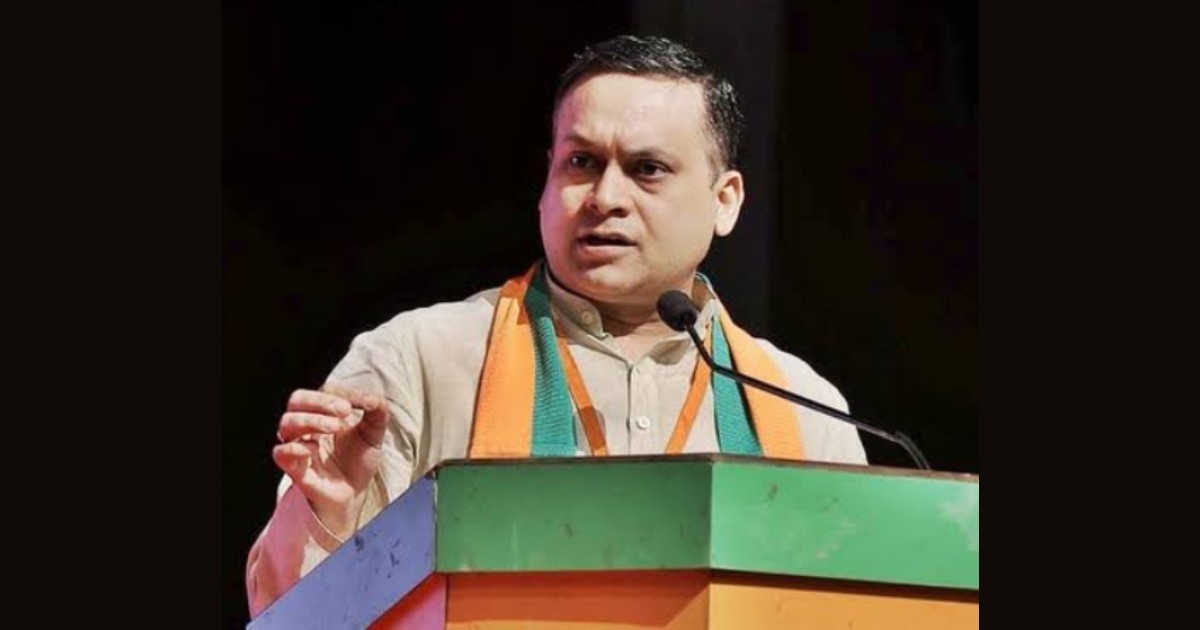
Amit Malviya, who heads the BJP’s IT cell, raised the issue publicly through a post on social media platform X. He claimed that the Chief Minister had urged her supporters to arm themselves with “whatever is available at home,” suggesting a call for confrontation rather than restraint.
Malviya further alleged that this was not an isolated instance. He claimed that similar remarks had been made earlier in north Bengal, indicating a pattern of statements that could potentially contribute to an atmosphere of hostility.
The BJP has framed these comments as dangerous, particularly in a politically charged environment where rival party workers often operate in close proximity during campaigns.
Basanti Violence Incident
The allegations gained urgency following reports of violence in Basanti, a region in South 24 Parganas district. BJP leaders claim that their workers were attacked while campaigning in the area.
According to the party, individuals linked to the ruling Trinamool Congress (TMC) were responsible for targeting BJP campaigners. The incident, they argue, occurred shortly after the Chief Minister’s remarks, suggesting a possible connection between political rhetoric and on-ground actions.
While the exact sequence of events and the scale of the violence remain under scrutiny, the BJP has used the incident to highlight what it describes as a breakdown of political decorum and public safety.
The party has also expressed concern that such incidents could discourage free and fair campaigning, especially if political workers feel unsafe engaging with voters.
Allegations Against State Administration
In addition to criticizing the Chief Minister’s remarks, the BJP has also accused the state police of failing to act during the Basanti incident.
Malviya alleged that law enforcement agencies remained “mute spectators” as the situation unfolded. This claim, if substantiated, could raise serious questions about the neutrality and effectiveness of the state’s policing during politically sensitive periods.
The BJP has argued that the role of the police is critical in maintaining peace and ensuring that all parties can campaign without fear. Any perceived inaction, the party says, risks undermining public confidence in the electoral process.
However, these claims have not been independently verified, and there has been no official response from the state police regarding their handling of the situation.
Call for Election Commission Intervention
Amid these developments, the BJP has formally urged the Election Commission of India (ECI) to step in. The party has requested that the poll body take cognizance of the alleged remarks and the subsequent violence.
The Election Commission plays a crucial role in overseeing elections and ensuring compliance with the Model Code of Conduct (MCC), which sets guidelines for political parties and leaders during election periods.
The BJP has asked the Commission to ensure that “criminal elements” are brought under control and that strict action is taken against those responsible for inciting or engaging in violence.
Such intervention, the party believes, is necessary to maintain a level playing field and to prevent further escalation.
No Immediate Response from TMC
As of now, there has been no official response from the Trinamool Congress regarding the allegations.
The absence of a response leaves several questions unanswered, including whether the Chief Minister’s remarks have been accurately represented and how the ruling party views the Basanti incident.
Political observers note that such silence is not uncommon in the immediate aftermath of allegations, as parties often assess the situation before issuing formal statements.
However, given the seriousness of the claims, a response from the TMC is likely to be closely watched in the coming days.
Context: Political Rivalry in West Bengal
West Bengal has long been a politically competitive state, with intense rivalry between the BJP and the TMC.
In recent years, the BJP has made significant electoral gains, challenging the dominance of the TMC. This has led to heightened political activity and, at times, confrontations between party workers.
Incidents of political violence have been reported during past elections in the state, drawing attention from national institutions, including the Election Commission and the judiciary.
The current allegations must be viewed against this backdrop of ongoing political contestation, where rhetoric and actions often intersect in complex ways.
Why This Matters
The controversy highlights broader concerns about the role of political speech in shaping public behavior.
Statements made by senior leaders can carry significant influence, especially in charged environments. If interpreted as endorsing confrontation, such remarks may contribute to tensions on the ground.
At the same time, allegations of violence and administrative inaction raise questions about the safeguards in place to ensure fair political competition.
For voters, these developments are important because they directly impact the integrity of the electoral process. Free and fair elections depend not only on rules but also on the conduct of political actors and institutions.
Public Impact
For ordinary citizens, particularly in areas like Basanti, such incidents can have immediate consequences.
Political clashes can disrupt daily life, create an atmosphere of fear, and discourage civic participation. Voters may feel hesitant to engage with campaigners or attend political events if they perceive a risk to their safety.
Moreover, repeated allegations of violence can erode trust in democratic institutions. Ensuring accountability and transparency becomes essential to maintaining public confidence.
The role of the Election Commission and law enforcement agencies is therefore critical in addressing these concerns and ensuring that elections are conducted peacefully.
What Happens Next
The next steps will largely depend on how the Election Commission responds to the BJP’s complaint.
If the Commission decides to act, it could seek reports from the state administration, issue notices to concerned parties, or take preventive measures to maintain law and order.
At the same time, responses from the Trinamool Congress and state authorities will be important in providing a fuller picture of the घटनाएँ and addressing the आरोप.
Political analysts suggest that the situation will continue to evolve, especially if further incidents are reported or if additional evidence emerges.
The allegations surrounding the Basanti violence underscore the challenges of managing political competition in a highly charged environment.
While the BJP has called for Election Commission intervention, the absence of a response from the TMC leaves the issue unresolved for now.
As West Bengal continues to witness intense political activity, the focus will remain on whether institutions can effectively ensure peace, accountability, and fairness.
Ultimately, the handling of this situation could have broader implications for public trust and the conduct of future elections in the state.
Inputs and images : Hindusthan Samachar
Edited By E. Devanshi varma
Also Read: Pijush Hazarika Targets Ajmal After 20 Years of Political Rivalry in Assam
Follow us on Google News: Click Here