

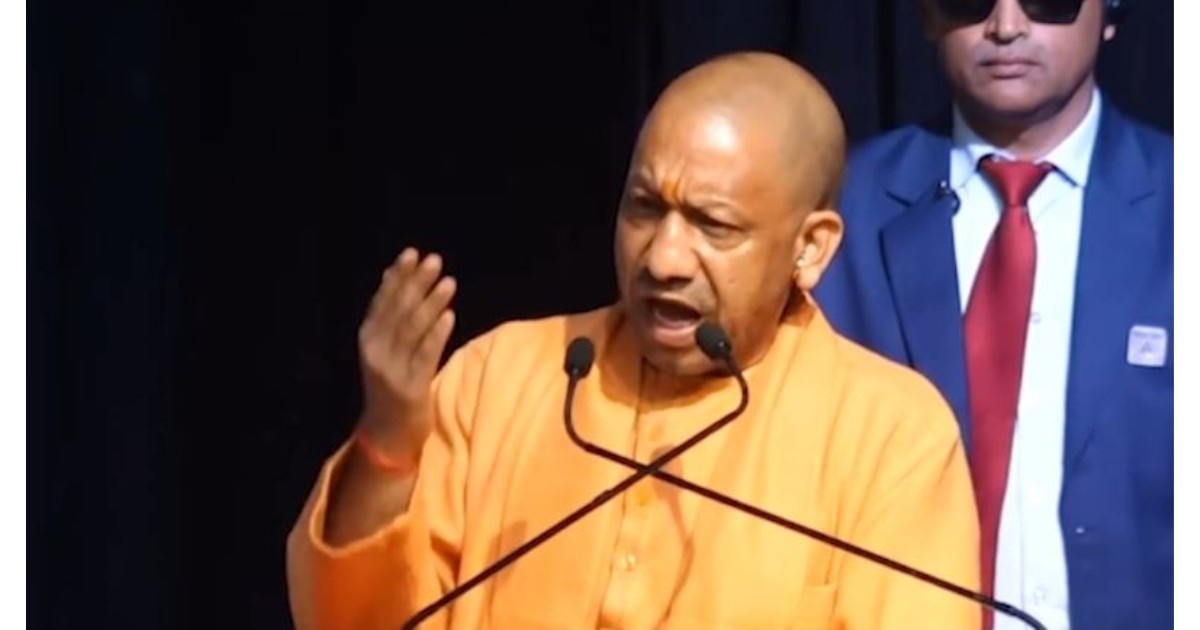
The Uttar Pradesh (UP )government is set to transfer more than ₹3,350 crore directly into the bank accounts of nearly 28 lakh beneficiaries on March 30, in a major push to strengthen welfare delivery through Direct Benefit Transfer (DBT). The disbursement will be carried out by Chief Minister Yogi Adityanath at a formal event in Lucknow.
The funds will primarily support students under scholarship and fee reimbursement schemes, covering both pre-matric (Classes 9–10) and post-matric levels. The initiative is part of the state’s broader effort to ensure timely and transparent financial assistance to eligible individuals.
Key Highlights of the DBT Transfer
- Total funds being disbursed: ₹3,350 crore (approx.)
- Total beneficiaries: 27,99,982 students
- Coverage: Classes 9–10 and post-matric students
- Mode of transfer: Direct Benefit Transfer (DBT)
- Event location: Indira Gandhi Pratishthan, Lucknow
The disbursement is expected to benefit students from multiple socio-economic backgrounds, including Scheduled Castes (SC), Other Backward Classes (OBC), minorities, and general category students.
Category-wise Distribution of Funds
According to state officials, the funds have been allocated across different categories to ensure equitable distribution:
- Scheduled Castes (SC): ₹467.94 crore for 6,68,707 students
- General Category: ₹779.10 crore for 4,95,793 students
- Other Backward Classes (OBC): ₹1,838.59 crore for 13,52,357 students
- Minority Category: ₹252.76 crore for 2,75,889 students
- Scheduled Tribes (ST): ₹11.61 crore for 7,236 students
This category-wise allocation reflects the state’s focus on inclusive welfare distribution, particularly targeting historically disadvantaged groups.
Official Statement
State Minister for Backward Classes Welfare and Disabled Empowerment, Narendra Kashyap, said the initiative demonstrates the government’s commitment to ensuring financial assistance reaches beneficiaries without delays or leakages.
He noted that the use of DBT eliminates intermediaries and enhances transparency, allowing funds to be credited directly into beneficiaries’ bank accounts. The minister also highlighted that this approach strengthens accountability in welfare schemes and minimizes the chances of misallocation.
Expanding DBT Coverage in 2025–26
The March 30 disbursement is part of a larger financial outlay planned for the 2025–26 fiscal year. The Uttar Pradesh government has earmarked ₹4,735.04 crore for DBT transfers, which are expected to benefit over 65 lakh individuals across the state.
This expanded coverage indicates a significant scaling up of welfare schemes, particularly in the education sector. By increasing the number of beneficiaries and the total allocation, the government aims to address financial barriers that often prevent students from continuing their education.
What is Direct Benefit Transfer (DBT)?
Direct Benefit Transfer (DBT) is a system introduced by the Government of India to transfer subsidies and welfare benefits directly into the bank accounts of beneficiaries. The mechanism is designed to:
- Reduce delays in fund disbursement
- Eliminate intermediaries and corruption
- Improve transparency and accountability
- Ensure targeted delivery of benefits
In Uttar Pradesh, DBT has been increasingly adopted across multiple schemes, including scholarships, pensions, and social welfare programs.
Focus on Education and Social Security
The scholarship and fee reimbursement schemes play a crucial role in supporting students from economically weaker sections. These programs cover tuition fees, exam fees, and other academic expenses, making education more accessible.
The state government has emphasized that its policies are aligned with the principle of prioritizing disadvantaged and vulnerable groups. By directing substantial funds toward education, the administration aims to reduce dropout rates and promote higher enrollment in secondary and higher education.
Officials say that the initiative is not limited to financial support but also seeks to improve overall access to educational opportunities.
Move Towards Digital and Automated Systems
To further streamline the scholarship process, the Uttar Pradesh government is working on automating the entire system. This includes digitizing application procedures and verification processes to reduce paperwork and processing time.
Additionally, a dedicated mobile application is under development to simplify the application process for students. The app is expected to allow users to:
- Submit scholarship applications online
- Track application status in real time
- Receive updates and notifications
- Access scheme-related information easily
The move towards digital platforms is aimed at improving efficiency and making the system more user-friendly, particularly for students in rural and remote areas.
Why This Initiative Matters
The large-scale DBT transfer is significant for several reasons:
1. Financial Relief for Families:
For many households, especially those in low-income groups, educational expenses can be a major burden. Direct financial support helps ease this pressure and ensures continuity in education.
2. Encouraging Educational Participation:
By covering fees and providing scholarships, the government aims to reduce dropout rates, particularly among marginalized communities.
3. Strengthening Trust in Welfare Systems:
The use of DBT enhances transparency, which can improve public trust in government programs.
4. Boosting Digital Inclusion:
The push towards online applications and mobile-based systems encourages digital adoption among students and families.
Broader Context: Welfare Delivery Reforms
Over the past decade, DBT has emerged as a key pillar of welfare delivery reforms in India. Both central and state governments have increasingly relied on this mechanism to improve efficiency and reduce leakages.
In Uttar Pradesh, the adoption of DBT aligns with broader national efforts to digitize governance and ensure that benefits reach intended recipients without delays. The integration of Aadhaar-linked bank accounts has further strengthened the system’s reliability.
Challenges and Considerations
While DBT has significantly improved welfare delivery, certain challenges remain:
- Banking Access: Some beneficiaries, particularly in remote areas, may face difficulties in accessing banking services.
- Digital Literacy: Not all students and families are familiar with digital platforms, which can affect application and tracking processes.
- Technical Issues: System errors or delays in verification can occasionally disrupt fund transfers.
The government’s move to develop a mobile app and automate processes is expected to address some of these concerns, but effective implementation will be crucial.
Public Impact
The immediate impact of the ₹3,350 crore disbursement will be felt by nearly 28 lakh students across Uttar Pradesh. For many, the funds will directly support their ongoing education, covering essential expenses and reducing financial stress.
In the long term, such initiatives can contribute to improved educational outcomes, higher literacy rates, and better employment prospects. By investing in education, the state is also investing in its future workforce.
Conclusion
The Uttar Pradesh government’s latest DBT transfer marks a significant step in expanding welfare delivery through technology-driven solutions. With over ₹3,350 crore being distributed to nearly 28 lakh students, the initiative underscores the importance of timely financial support in the education sector.
As the state continues to scale up DBT coverage and introduce digital tools, the focus will remain on ensuring that benefits are delivered efficiently, transparently, and inclusively. The success of these efforts will depend on effective implementation and the ability to address existing challenges, particularly in terms of access and digital literacy.
Inputs and images : Hindusthan Samachar
Edited By E. Devanshi varma
Also Read: BJP Raises 3 Key Allegations Over Basanti Violence, Seeks Election Commission Action
Follow us on Google News: Click Here