


Washington, April 6:
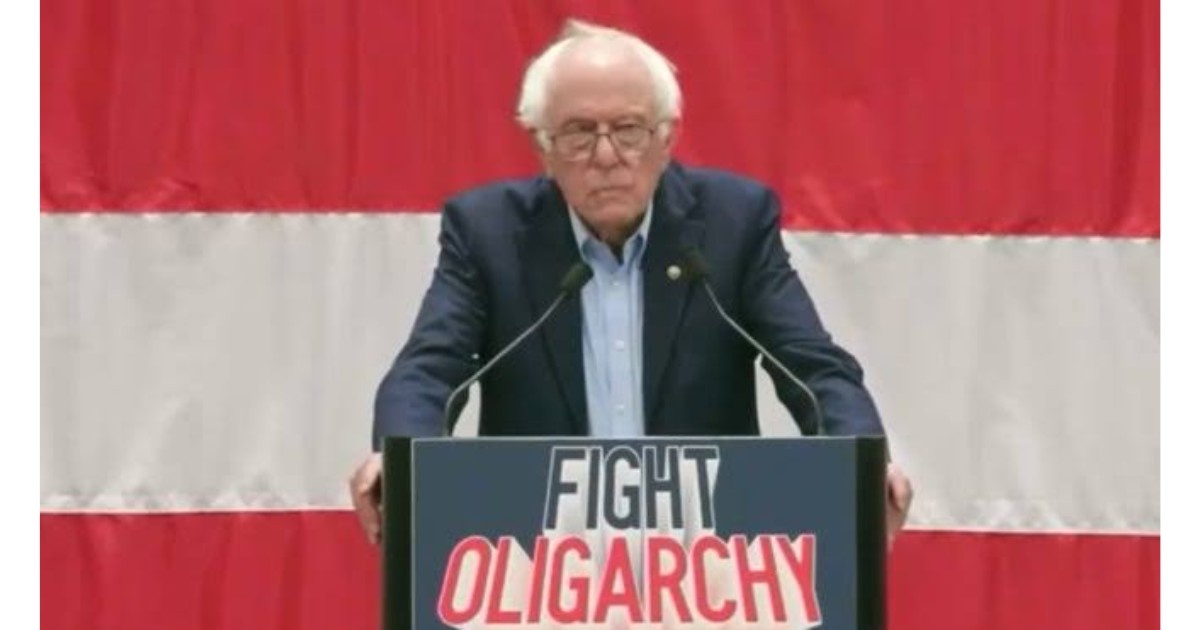
Amid escalating tensions between the United States and Iran over the Strait of Hormuz, Senator Bernie Sanders has sharply criticized former President Donald Trump’s recent remarks, describing them as “dangerous and unbalanced.” The comments, made during a sensitive period in international relations, have reignited debate within US political circles over the country’s approach to the Middle East.
In a post shared on the social media platform X, Sanders expressed concern that Trump’s statements could aggravate an already volatile situation. He also pointed to the timing of the remarks—on Easter Sunday—as particularly troubling, emphasizing the need for calm and responsible communication during periods of geopolitical uncertainty.
Rising Political Tensions Over Iran
The latest exchange between Sanders and Trump comes at a time when relations between Washington and Tehran are under strain due to developments surrounding the Strait of Hormuz. This narrow waterway is one of the world’s most critical oil transit routes, making any dispute in the region a matter of global economic and security concern.
Recent tensions have raised fears of potential military escalation, prompting reactions not only from policymakers but also from international observers. Within the United States, political leaders are increasingly divided on how to respond, with some advocating a tougher stance while others urge diplomacy.
Sanders’ remarks highlight this divide. As a long-time advocate of non-interventionist foreign policy, he has consistently warned against the risks of military conflict in the Middle East. His latest criticism reflects broader concerns among some lawmakers that inflammatory rhetoric could push the situation closer to confrontation.
Key Highlights from Sanders’ Response
Sanders’ statement focused on several critical issues related to Trump’s remarks and the broader US approach to Iran. These include:
- Warning Against Escalation: Sanders argued that aggressive language from political leaders could heighten tensions and increase the likelihood of conflict.
- Call for Diplomacy: He emphasized the importance of diplomatic engagement over confrontational rhetoric.
- Concern Over Timing: The senator noted that the remarks were made on Easter Sunday, suggesting that such timing added to their inappropriateness.
- Appeal to Congress: Sanders urged lawmakers to take proactive steps to prevent a potential military escalation.
- Focus on Global Stability: He warned that the consequences of conflict in the region would extend far beyond the Middle East, affecting global security and economic stability.
These points underscore Sanders’ broader foreign policy stance, which prioritizes negotiation and multilateral cooperation over unilateral or aggressive measures.
Official Statement Reframed
In his post, Sanders described Trump’s comments as not only ill-timed but also potentially harmful in the context of an already fragile geopolitical environment. He stressed that moments of heightened tension require careful and measured communication from leaders.
Rather than resorting to strong or provocative language, Sanders argued that US policymakers should focus on de-escalation strategies. He called on Congress to assert its authority in matters of war and peace, urging immediate action to ensure that diplomatic channels remain open.
His message reflects a growing concern among some political leaders that the tone of public statements can have real-world consequences, particularly in sensitive international disputes.
Broader Political Divide in the US
The exchange between Sanders and Trump illustrates deeper divisions within American politics regarding foreign policy. While some leaders advocate a more assertive approach to Iran, others caution against repeating past mistakes in the region.
This divide is not new. The United States has long grappled with questions about its role in the Middle East, particularly following prolonged military engagements in countries such as Iraq and Afghanistan. These experiences have shaped public opinion and influenced the positions of political leaders across the spectrum.
Sanders represents a segment of policymakers who believe that military intervention often leads to unintended consequences. His emphasis on diplomacy aligns with a broader shift among some voters who favor reducing US involvement in overseas conflicts.
On the other hand, more hawkish voices argue that a strong stance is necessary to deter adversaries and protect national interests. This ongoing debate continues to shape US foreign policy decisions and political discourse.
Importance of the Strait of Hormuz
The Strait of Hormuz plays a central role in the current tensions. Located between Iran and Oman, it serves as a key passage for a significant portion of the world’s oil supply. Any disruption in this region can have immediate and far-reaching effects on global energy markets.
In recent years, the strait has been a focal point of geopolitical friction, with incidents involving oil tankers and naval forces raising concerns about security. The current standoff has once again brought attention to the strategic importance of this waterway.
Analysts note that even the perception of instability in the Strait of Hormuz can lead to fluctuations in oil prices and impact global economies. This makes the need for careful handling of the situation even more critical.
Why This Matters Globally
The implications of rising US-Iran tensions extend beyond the two countries involved. A potential conflict could have significant consequences for international trade, energy supplies, and regional stability.
Countries that rely heavily on oil imports are particularly vulnerable to disruptions in the Strait of Hormuz. Additionally, any escalation could draw in other nations, further complicating the situation.
Sanders’ warning reflects these broader concerns. By emphasizing the risks associated with aggressive rhetoric, he highlights the interconnected nature of global security and the importance of maintaining stability in key regions.
Role of Congress in Preventing Escalation
A key aspect of Sanders’ response is his call for congressional action. Under the US Constitution, Congress holds the authority to declare war, making its role crucial in decisions related to military engagement.
In recent years, there has been ongoing debate about the extent of executive power in matters of foreign policy. Some lawmakers have argued that Congress should play a more active role in overseeing and authorizing military actions.
Sanders’ appeal suggests that legislative intervention may be necessary to ensure that diplomatic options are prioritized. By urging Congress to act, he is advocating for a more balanced approach to decision-making in times of crisis.
Media and Political Messaging
The controversy also underscores the impact of political messaging in shaping public perception and international relations. In the age of social media, statements made by political leaders can quickly reach a global audience.
This amplifies their potential impact, making it even more important for leaders to communicate responsibly. Analysts note that rhetoric can influence not only domestic audiences but also foreign governments and populations.
Sanders’ criticism reflects concerns about how such messages are interpreted abroad. In sensitive situations, even a single statement can contribute to misunderstandings or escalate tensions.
Public Impact and Concerns
For the general public, the situation raises important questions about security, economic stability, and the potential for conflict. Rising tensions in the Middle East often lead to concerns about oil prices, which can directly affect the cost of living.
Additionally, the prospect of military engagement carries significant human and financial costs. Many Americans remain wary of entering another prolonged conflict, given the experiences of the past two decades.
Sanders’ emphasis on diplomacy resonates with those who prioritize peaceful solutions and seek to avoid further military involvement. His remarks also highlight the importance of transparency and accountability in government decision-making.
What Comes Next
As tensions between the United States and Iran continue to evolve, the focus will likely remain on diplomatic efforts and political responses. The exchange between Sanders and Trump is a reminder of the role domestic politics play in shaping foreign policy.
Observers will be watching closely to see whether Congress takes any concrete steps in response to the situation. At the same time, international efforts to de-escalate tensions will be crucial in preventing further deterioration.
The coming days may prove critical in determining the trajectory of US-Iran relations. With global stakes at play, the need for careful and measured action has never been more evident, as leaders navigate a complex and rapidly changing geopolitical landscape.
Inputs and images : Hindusthan Samachar
Edited By E. Devanshi varma
Also Read: Iran Rejects US Ultimatum, Escalation Risks Rise After 48-Hour Warning
Follow us on Google News: Click Here