


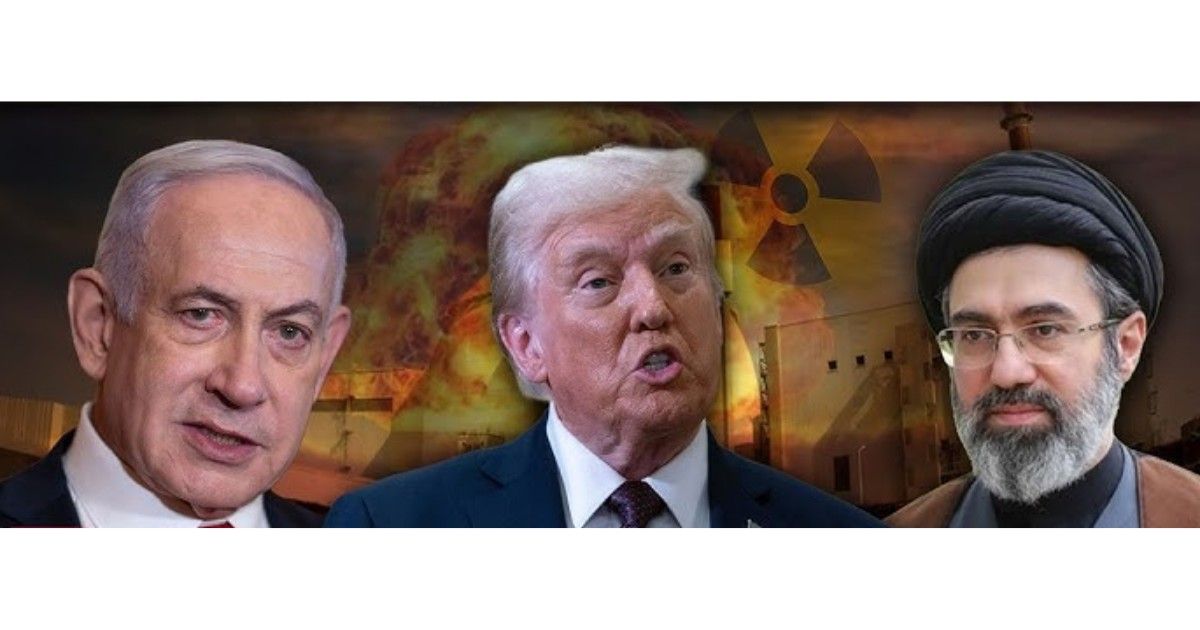
Iran has confirmed that a joint United States–Israel strike targeted one of its nuclear fuel cycle facilities, marking a significant escalation in the ongoing 38-day conflict in West Asia. The development comes amid heightened tensions after former US President Donald Trump warned of severe consequences if Iran does not reopen the strategically critical Strait of Hormuz by a stated deadline.
The strike reportedly hit the Shahid Rezaei Nejad Yellowcake Production Facility, located in Ardakan in Iran’s Yazd province. Iranian authorities have condemned the attack, describing it as a violation of international norms governing the protection of civilian nuclear infrastructure.
Key Developments
- Iran acknowledges strike on a uranium processing facility central to its nuclear fuel cycle
- The targeted site produces “yellowcake,” a key material used in nuclear fuel preparation
- US and Israel expand coordinated military operations across Iranian territory
- Trump warns of large-scale destruction if Strait of Hormuz remains closed
- Iran signals defiance, calling attacks on infrastructure a “war crime”
Strike on Nuclear Facility Raises Concerns
The Shahid Rezaei Nejad facility plays a crucial role in Iran’s nuclear program. It processes uranium ore into yellowcake, a powdered form of uranium oxide that serves as a precursor for nuclear fuel enrichment.
Inaugurated in 2013, the facility has an estimated annual production capacity of around 60 tonnes of uranium oxide. Iranian officials maintain that the site is dedicated to peaceful nuclear activities, a claim that has long been contested by Western governments.
Iran’s Atomic Energy Agency confirmed the strike and criticized it as a direct attack on its nuclear infrastructure. In a public statement, the agency described the incident as an attempt to disrupt Iran’s nuclear fuel supply chain. However, it did not provide specific details about the extent of the damage or the exact timing of the strike.
This is not the first time the facility has reportedly been targeted. Similar incidents were flagged in late March, suggesting a sustained campaign against Iran’s nuclear assets.
Expanding Military Operations
The latest strike is part of a broader and intensifying military campaign launched jointly by the United States and Israel on February 28. Since then, multiple locations across Iran have reportedly been targeted, including military installations, missile bases, and energy infrastructure.
According to international media reports, Israeli forces carried out pre-dawn strikes on Tehran and surrounding areas, including Karaj. Eyewitness accounts describe powerful explosions, with some occurring near Mehrabad International Airport, which has reportedly been targeted repeatedly in recent weeks.
Iran has responded with missile and drone attacks aimed at strategic locations in the Gulf region. The ongoing exchanges have significantly raised fears of a wider regional conflict.
Reports indicate that at least 34 people were killed in a series of strikes across Iran on Monday alone. However, independent verification of casualty figures remains limited due to restricted access and ongoing hostilities.
Strait of Hormuz at the Center of Tensions
A key flashpoint in the conflict is the Strait of Hormuz, a narrow but vital waterway through which a significant portion of the world’s oil supply passes. Any disruption to this route has immediate implications for global energy markets.
Donald Trump issued a stark warning, stating that if Iran fails to fully reopen the strait by the designated deadline, the United States could launch extensive attacks targeting Iran’s critical infrastructure, including power plants and bridges.
Statements attributed to the White House suggested that failure to engage in negotiations could result in overwhelming military action. The rhetoric has further escalated tensions, with Iran rejecting temporary ceasefire proposals and insisting on more permanent guarantees.
Iran Signals Defiance
Despite mounting pressure, Iran’s leadership has signaled that it will not back down. Officials have reiterated their commitment to continuing both military resistance and nuclear development.
In a public appeal, Iran’s Deputy Youth and Sports Minister Alireza Rahimi called on citizens—including athletes and artists—to form human chains around key infrastructure sites. The initiative, described as a show of national unity, reflects growing concern within the country over potential attacks on civilian facilities.
Rahimi characterized strikes on infrastructure as violations of international law, reinforcing Tehran’s position that such actions constitute war crimes.
Meanwhile, Iran’s Supreme Leadership has emphasized resilience, stating that military operations will continue despite losses among senior commanders.
Diplomatic Efforts and Stalemate
Efforts to de-escalate the situation through diplomacy appear to have stalled. A proposed 45-day ceasefire involving multiple nations was reportedly rejected by Iran, which is demanding more durable assurances.
The US administration has indicated openness to negotiations but has also maintained a hardline stance, linking diplomatic engagement to immediate compliance with its demands regarding the Strait of Hormuz.
Key figures in the US national security team have reportedly been involved in backchannel discussions. However, there is little indication of a breakthrough, as both sides remain entrenched in their positions.
Context and Background
Tensions between Iran, the United States, and Israel have been building for years, largely centered around Iran’s nuclear program and its regional influence. While Iran insists its nuclear activities are for civilian purposes, concerns persist in Western capitals about potential weaponization.
The current conflict marks one of the most direct and sustained military confrontations involving all three actors. Previous hostilities often played out through proxy groups and limited strikes, but the present escalation represents a more overt and coordinated campaign.
The Strait of Hormuz has historically been a recurring flashpoint in such tensions. Any threat to its accessibility is treated as a global concern due to its importance for energy supplies.
Public Impact and Global Implications
The ongoing conflict has significant implications not just for the region but for the global community.
Energy Markets:
Any disruption in the Strait of Hormuz could lead to sharp increases in oil prices, affecting economies worldwide, including energy-importing countries like India.
Civilian Safety:
Strikes on infrastructure raise concerns about civilian casualties and humanitarian conditions, particularly in densely populated areas.
Regional Stability:
Neighboring countries in the Gulf are on high alert, as the conflict risks spilling over into a broader regional war.
Economic Fallout:
Sanctions, disrupted trade routes, and uncertainty could have long-term economic consequences for multiple countries.
What Lies Ahead
The situation remains highly volatile, with both military and diplomatic paths still in play. The coming days are likely to be critical, particularly in relation to the Strait of Hormuz and the possibility of renewed negotiations.
While the US and Israel appear determined to maintain pressure, Iran’s response suggests a prolonged standoff rather than immediate de-escalation. The absence of a clear diplomatic breakthrough increases the risk of further escalation.
Inputs and images : Hindusthan Samachar
Edited By E. Devanshi varma
Also Read: RSS Chief Emphasises Unity During 452nd Srimaluk Jayanti Celebrations in Vrindavan
Follow us on Google News: Click Here