

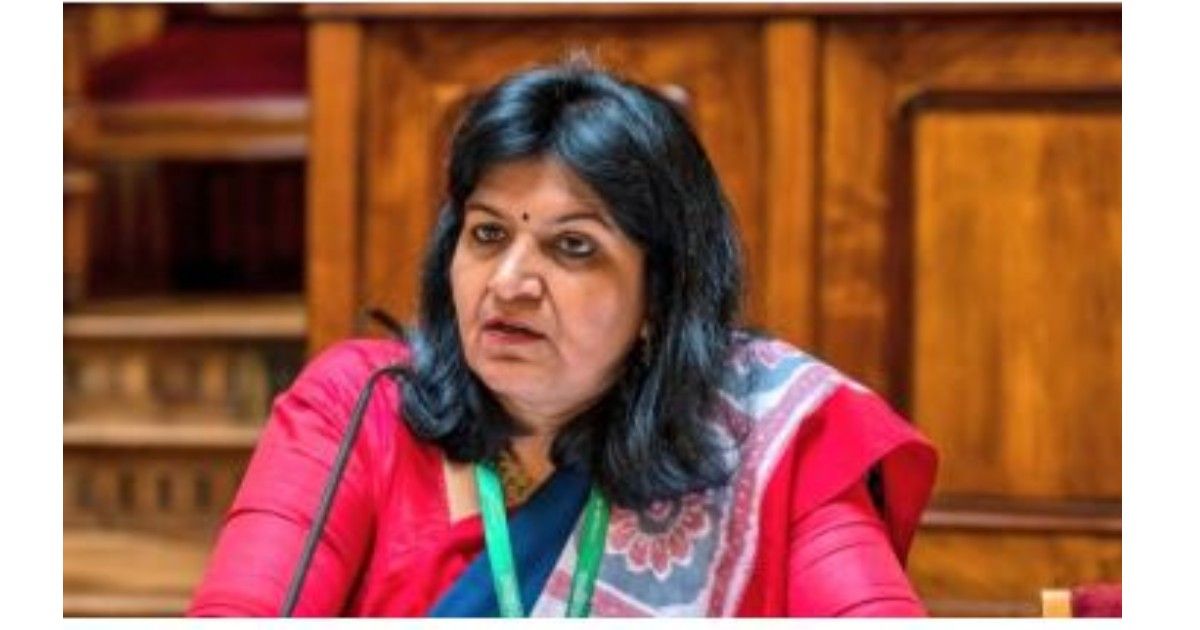
In a renewed push for urban infrastructure development, Bhubaneswar Member of Parliament Aparajita Sarangi has appealed to Odisha Chief Minister Mohan Charan Majhi to revisit the State Cabinet’s recent decision to suspend the Bhubaneswar Metro Rail project. The appeal comes amid growing concerns over rising traffic congestion, population expansion, and the increasing pressure on existing public transport systems in the state capital.
Sarangi, in a formal communication dated April 10, emphasized that the decision to halt the metro project could have far-reaching implications for the city’s future, particularly as Bhubaneswar continues to evolve into a major urban hub in eastern India.
Key Highlights of the Appeal
The MP’s letter outlines several critical arguments for reconsidering the metro project:
- Rapid urbanization in Bhubaneswar has significantly increased transportation demand
- Existing public transport infrastructure is struggling to keep pace with population growth
- The metro project is seen as a long-term solution for sustainable and efficient urban mobility
- Suspension of the project may lead to higher future costs and missed economic opportunities
- Improved connectivity between Bhubaneswar and nearby regions is essential for regional growth
Sarangi stressed that the metro system would address both present and future transportation challenges, making it a vital component of the city’s infrastructure planning.
Concerns Over Urban Growth and Traffic Pressure
Bhubaneswar has witnessed steady growth over the past decade, driven by expanding educational institutions, IT hubs, and administrative importance. With this growth has come a surge in private vehicle ownership and daily commuter traffic, leading to congestion across major roads and junctions.
Sarangi pointed out that the city’s current transport network—including buses and para-transit systems—may not be sufficient to handle future demand. She argued that a high-capacity metro system would help decongest roads, reduce travel time, and provide a more reliable alternative for daily commuters.
The MP highlighted that urban planning must anticipate future challenges rather than react to existing ones. In her view, delaying critical infrastructure projects like the metro could result in more complex and costly solutions later.
Connectivity Beyond the Capital
A key aspect of the proposed metro project is its potential to improve regional connectivity. According to Sarangi, the metro would not only serve Bhubaneswar but also link nearby urban centers such as Cuttack, Jatni, and Khurda.
These areas are increasingly interconnected in terms of economic activity, education, and employment. Improved transport links could facilitate smoother movement of people across the region, contributing to the development of a unified urban corridor.
The MP noted that such integration is essential for balanced regional growth and could reduce the need for long-distance commuting by providing faster and more efficient travel options.
Inclusion and Accessibility
Sarangi also emphasized the inclusive nature of metro systems. She pointed out that modern metro networks are designed to cater to a wide range of users, including students, working professionals, senior citizens, and persons with disabilities.
Features such as step-free access, dedicated seating, and predictable schedules make metro systems more accessible compared to traditional modes of transport. By offering a safe and dependable travel option, the project could enhance mobility for vulnerable and underserved populations.
This, she argued, aligns with broader goals of inclusive urban development and equitable access to public infrastructure.
Financial Implications and Sunk Costs
One of the major concerns raised in the letter relates to the financial investment already made in the project. Sarangi stated that approximately ₹274 crore has been spent on preliminary work, including planning and initial development.
She warned that suspending the project at this stage could lead to financial inefficiencies, as previously invested resources may not yield returns. Additionally, restarting the project in the future could involve significantly higher costs due to inflation, revised project scopes, and regulatory changes.
The MP underscored that metro rail projects are typically designed with a long-term perspective, where benefits accrue over decades rather than delivering immediate financial returns.
Economic Growth and Investment Potential
Beyond transportation, Sarangi described the metro project as a catalyst for economic development. Large-scale infrastructure projects often generate employment opportunities during both construction and operational phases.
Moreover, improved urban mobility can enhance a city’s attractiveness to investors, businesses, and tourists. Efficient transport systems are considered a key factor in determining the ease of doing business and overall quality of life in a city.
Sarangi argued that a modern metro network could strengthen Bhubaneswar’s position as a growing economic and administrative center, potentially drawing more investments into the region.
Reference to Earlier Advocacy
The MP also highlighted her consistent support for the metro project over the years. She recalled writing to former Odisha Chief Minister Naveen Patnaik in 2022 to advocate for the project’s implementation.
In 2024, she reviewed the progress of the Bhubaneswar Metro Rail Project Ltd., indicating continued engagement with the initiative. These efforts, she noted, reflect a sustained commitment to improving urban infrastructure in the state capital.
Questioning the Basis of Suspension
While the Odisha government announced the suspension of the metro project on April 4, 2026, Sarangi suggested that the decision may not fully account for long-term urban development needs.
She expressed concern that the assessment leading to the suspension might not have adequately considered the pace of urban expansion in Bhubaneswar and Cuttack, which are increasingly functioning as a single metropolitan region.
The MP urged the state government to conduct a comprehensive review that factors in projected population growth, future mobility demands, and the broader economic impact of infrastructure investments.
Offer for Centre-State Coordination
In her appeal, Sarangi also extended support for facilitating coordination between the state and central governments. She indicated her willingness to assist in securing necessary approvals and exploring funding options from the Centre.
Such collaboration, she suggested, could help address financial or administrative challenges associated with the project and ensure its timely implementation.
Why This Matters
The debate over the Bhubaneswar Metro project highlights a broader issue faced by many rapidly growing cities in India: balancing immediate fiscal concerns with long-term infrastructure needs.
Urban transport systems play a crucial role in shaping economic growth, environmental sustainability, and quality of life. Decisions to delay or cancel such projects can have lasting consequences, particularly in cities experiencing rapid expansion.
For residents of Bhubaneswar and surrounding areas, the outcome of this discussion could determine how they commute, work, and access essential services in the years to come.
Looking Ahead
As the Odisha government reviews its infrastructure priorities, Sarangi’s appeal adds a significant political and public dimension to the conversation around the metro project. Whether the state revisits its decision remains to be seen, but the issue has brought renewed attention to the importance of forward-looking urban planning.
With investments already made and demand for efficient transport systems continuing to grow, the future of the Bhubaneswar Metro project is likely to remain a key topic in the state’s development agenda.
Inputs and images : Hindusthan Samachar
Edited By E. Devanshi varma
Also Read: UDF Eyes 100+ Seats, Predicts Sweep in 4 Kerala Districts: Satheesan
Follow us on Google News: Click Here