

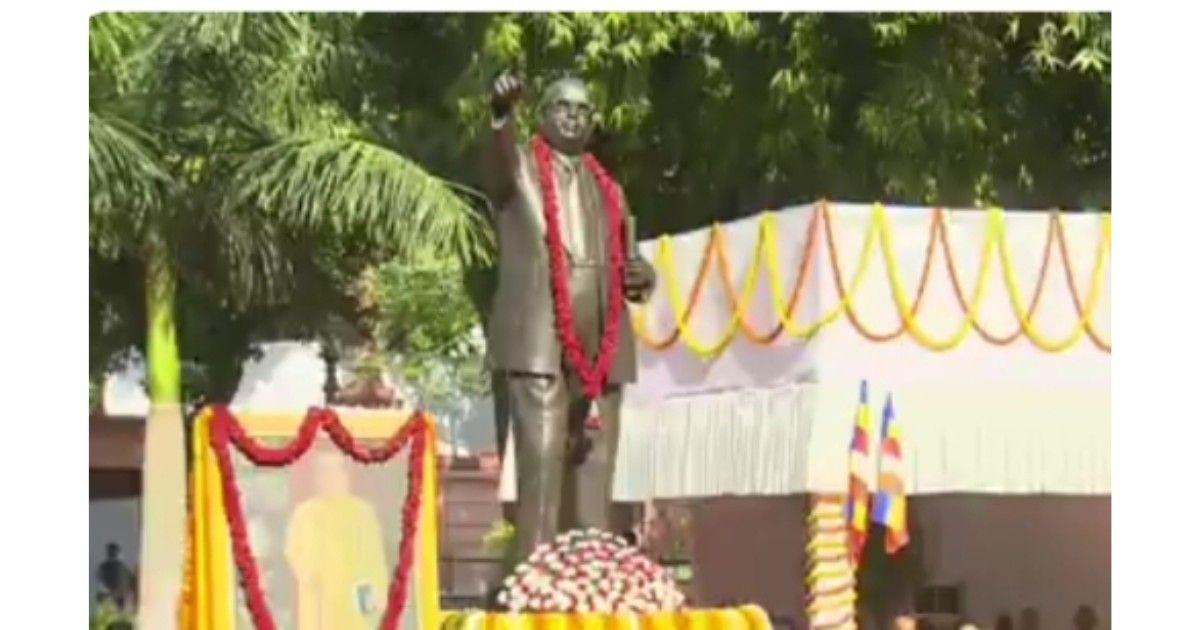
New Delhi, April 14: India marked the 135th birth anniversary of Dr Bhimrao Ramji Ambedkar with solemn tributes and remembrance ceremonies across the country. At the Parliament complex in New Delhi, the nation’s top leadership—including Vice President C. P. Radhakrishnan and Prime Minister Narendra Modi—paid floral tributes at Prerna Sthal, a memorial dedicated to the architect of the Indian Constitution.
The ceremony was attended by senior political leaders, including Congress President Mallikarjun Kharge, Union ministers, Members of Parliament, and other dignitaries. The event reflected a shared national acknowledgment of Dr Ambedkar’s contributions to India’s democratic framework and social justice movement.
Key Highlights from the Ceremony
1. National Leaders Unite in Tribute
The ceremony witnessed participation across party lines, underlining Dr Ambedkar’s universal relevance in Indian politics and society. Leaders from both the ruling and opposition parties gathered to honour his legacy, reinforcing his role as a unifying figure in the nation’s history.
2. Floral Tributes at Prerna Sthal
Prerna Sthal, located within the Parliament premises, served as the focal point for the official tribute. Leaders offered floral respects, a symbolic gesture acknowledging Dr Ambedkar’s lasting influence on India’s governance and constitutional values.
3. Emphasis on Nation-Building Contributions
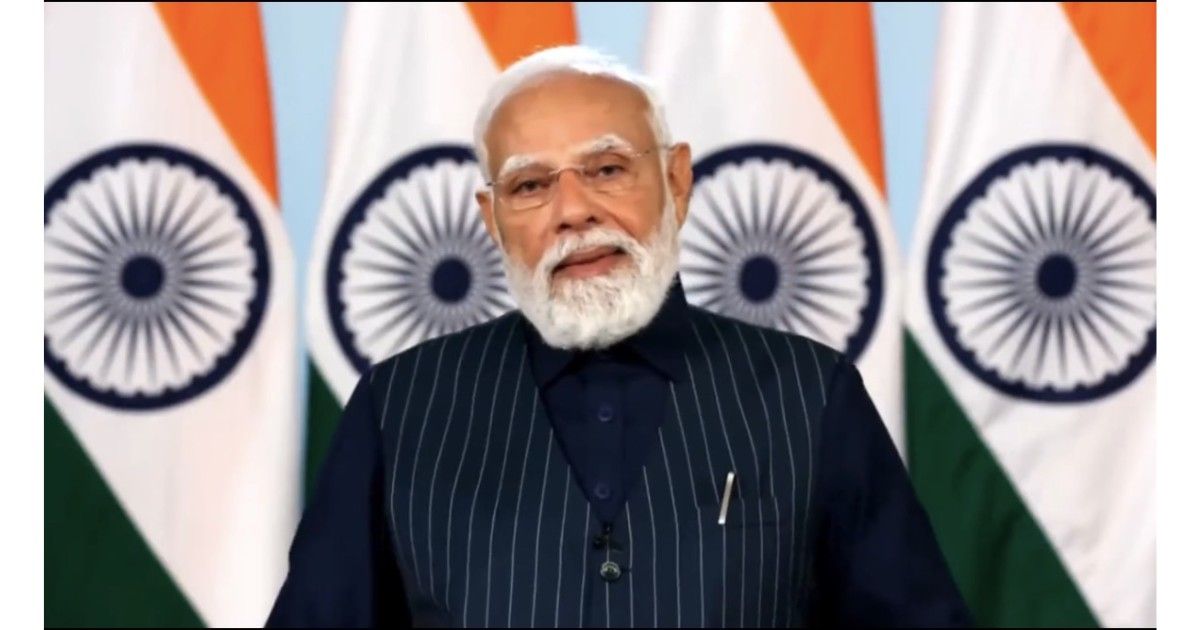
Prime Minister Modi highlighted Dr Ambedkar’s role in nation-building, describing his efforts as “deeply inspiring.” He noted that Ambedkar’s vision continues to guide India toward becoming a more inclusive and progressive society.
4. Recognition of Social Justice Legacy
The tributes also emphasized Dr Ambedkar’s lifelong struggle for the rights of marginalized communities, a cornerstone of his legacy that continues to shape public policy and discourse in India.
Official Statements Reframed
Speaking on the occasion, Prime Minister Narendra Modi underscored the enduring relevance of Dr Ambedkar’s ideals. He stated that Ambedkar’s life serves as a guiding force for generations working toward equality and justice. According to the Prime Minister, the values embedded in the Constitution remain central to India’s democratic journey.
Vice President C. P. Radhakrishnan also participated in the ceremony, reflecting the government’s recognition of Ambedkar’s pivotal role in shaping the institutional and legal framework of the country.
Meanwhile, Congress President Mallikarjun Kharge paid homage, highlighting Ambedkar’s contributions as a social reformer and constitutional expert whose work transcends political affiliations.
Though brief, the statements from leaders collectively reinforced a shared acknowledgment: that Dr Ambedkar’s ideas remain foundational to India’s democratic ethos.
Context and Background
Dr Bhimrao Ramji Ambedkar, born on April 14, 1891, is widely regarded as the chief architect of the Indian Constitution. A distinguished jurist, economist, and social reformer, he played a central role in drafting the Constitution, which came into effect in 1950.
Ambedkar’s work focused heavily on ensuring equality before the law, abolishing discrimination, and providing safeguards for historically marginalized communities, particularly Scheduled Castes and Scheduled Tribes. His advocacy led to the inclusion of fundamental rights and affirmative action provisions in the Constitution.
Beyond his constitutional role, Ambedkar was a prominent voice against caste-based discrimination. His writings and speeches challenged deeply entrenched social hierarchies and called for systemic reforms.
Over the decades, Ambedkar Jayanti has evolved into a significant national observance. It is marked not only by official ceremonies but also by public events, educational programs, and community initiatives aimed at spreading awareness about his ideas and contributions.
The observance at Prerna Sthal is part of a broader set of commemorative activities organized annually by the government and various institutions.
Why This News Matters
The commemoration of Ambedkar Jayanti is more than a ceremonial event—it serves as a reminder of the principles that underpin India’s democracy.
Dr Ambedkar’s vision of social justice, equality, and constitutional governance remains highly relevant in contemporary India. Issues such as social inequality, access to education, and representation in institutions continue to be areas of public debate and policy focus.
By paying tribute at a central location like the Parliament complex, national leaders signal the continued importance of these values in governance. The participation of leaders across political parties also reflects the non-partisan nature of Ambedkar’s legacy.
For citizens, the occasion provides an opportunity to reflect on the Constitution’s role in protecting rights and ensuring justice. It also highlights the importance of inclusive development in a diverse society.
Public Impact and Relevance
Dr Ambedkar’s contributions have had a lasting impact on millions of Indians, particularly those from marginalized communities. Policies influenced by his ideas—such as reservations in education and employment—continue to play a significant role in promoting social equity.
The annual observance of his birth anniversary helps keep these issues in public consciousness. Educational institutions often use the occasion to discuss constitutional values, while civil society groups organize events to promote awareness about social justice.
For policymakers, Ambedkar’s work serves as a reference point for designing inclusive policies. His emphasis on legal safeguards and institutional accountability continues to influence legislative and administrative decisions.
The ceremony at Prerna Sthal, therefore, is not just symbolic—it reinforces a broader commitment to the ideals that Dr Ambedkar championed.
Broader National Observance
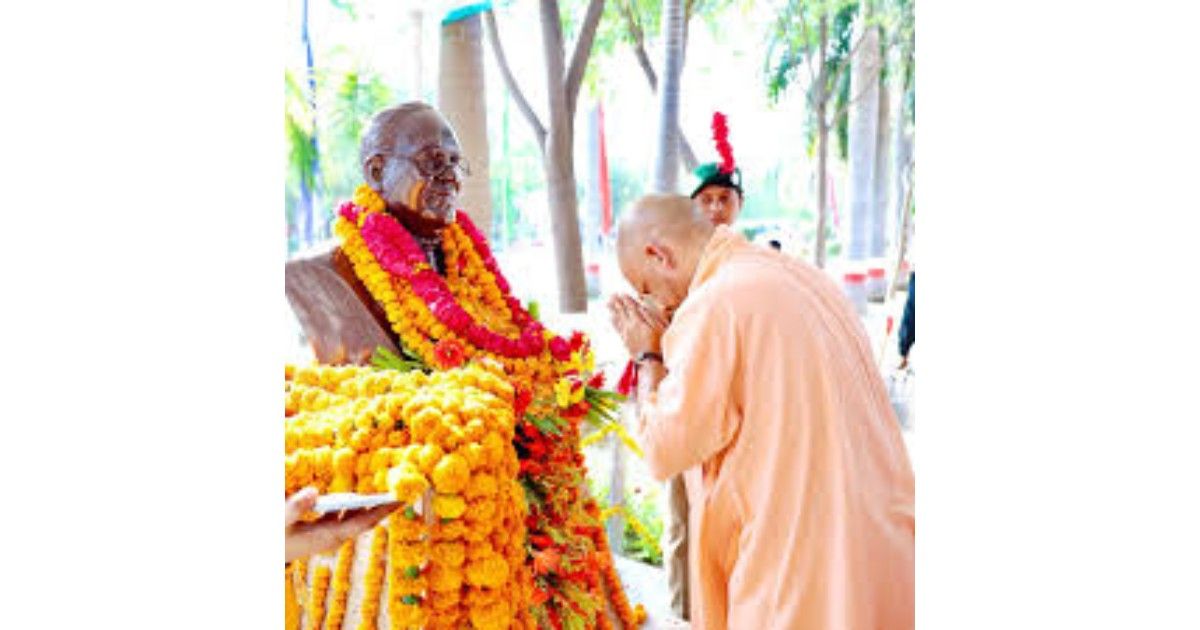
Across India, Ambedkar Jayanti is marked with various events, including processions, seminars, and cultural programs. Statues and memorials dedicated to Dr Ambedkar are decorated, and people gather to pay their respects.
In several states, the day is observed as a public holiday, reflecting its national significance. Government offices, educational institutions, and social organizations participate in commemorative activities.
The widespread observance underscores the deep respect and recognition that Dr Ambedkar commands across different sections of society.
Continuing Legacy
More than seven decades after the adoption of the Constitution, Dr Ambedkar’s ideas continue to influence India’s democratic framework. His emphasis on constitutional morality, equality, and social justice remains central to public discourse.
The tributes paid by national leaders on his 135th birth anniversary highlight the enduring relevance of his contributions. As India continues to evolve, the principles laid down by Dr Ambedkar serve as a guiding framework for addressing contemporary challenges.
The ceremony at Prerna Sthal stands as a reminder of the foundational role he played in shaping the nation and the continued importance of his vision in building a just and equitable society.
Inputs and images : Hindusthan Samachar
Edited By E. Devanshi varma
Also Read: Yogi Adityanath Highlights 5 Key Ideals of Dr. B.R. Ambedkar on Birth Anniversary
Follow us on Google News: Click Here