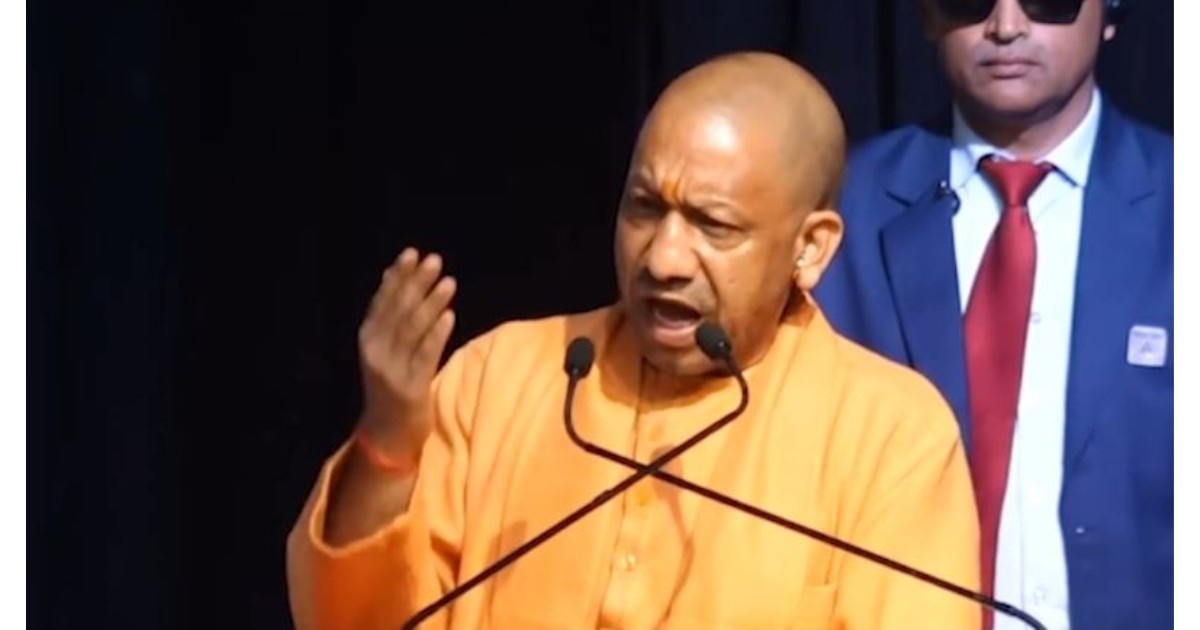


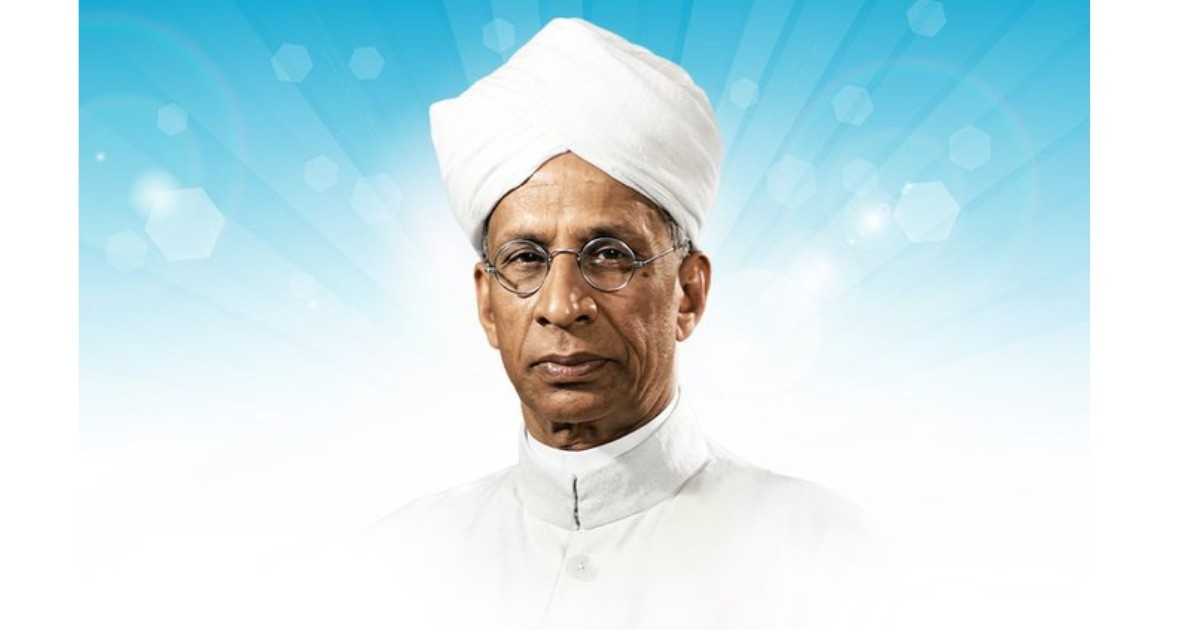
Lucknow, April 17: Uttar Pradesh Chief Minister Yogi Adityanath paid tribute to former President Dr. Sarvepalli Radhakrishnan on his death anniversary, highlighting his lasting contributions as a philosopher, teacher, and statesman. The Chief Minister underscored Radhakrishnan’s role in shaping India’s intellectual and educational landscape, calling for renewed focus on strengthening the country’s education system.
In a message shared on social media platform X, Adityanath described Radhakrishnan as a guiding force whose ideas continue to influence generations. The tribute aligns with a broader tradition among political leaders to commemorate Radhakrishnan’s legacy, particularly his impact on education and Indian philosophical thought.
Key Announcements and Highlights
The Chief Minister’s remarks focused on several key aspects of Dr. Radhakrishnan’s life and contributions:
- Recognition of his role as a philosopher who brought Indian thought to global prominence
- Emphasis on his lifelong dedication to education and teaching
- Call for strengthening India’s education system in line with his ideals
- Acknowledgment of the pivotal role of teachers in nation-building
- Tribute to his efforts in promoting Indian culture and values internationally
Adityanath described Radhakrishnan as an “intellectual titan” whose life exemplified the power of knowledge and cultural rootedness. He stressed that education remains the cornerstone of a progressive society and that Radhakrishnan’s vision continues to hold relevance in contemporary India.
Official Statement
In his post on X, the Chief Minister wrote:
“Humble tributes to the eminent philosopher and educationist, former President of India, and Bharat Ratna Dr. Sarvepalli Radhakrishnan on his death anniversary. Your life is a shining example of education, culture, and the great tradition of Indian thought. The light of your thoughts will always illuminate the path of education, culture, and human values.”
The statement reflects a broader acknowledgment of Radhakrishnan’s enduring influence on India’s intellectual and cultural identity. By invoking themes of education, culture, and human values, Adityanath linked Radhakrishnan’s legacy to present-day priorities in governance and policy.
Context and Background
Dr. Sarvepalli Radhakrishnan remains one of India’s most respected intellectual figures. Born in 1888, he rose to prominence as a scholar of philosophy, specializing in Indian traditions such as Vedanta. His academic work played a critical role in interpreting Indian philosophy for a global audience, particularly during a time when Western philosophical frameworks dominated academic discourse.
Radhakrishnan served as second President from 1962 to 1967 and previously as Vice President. Before entering public office, he held teaching positions at leading institutions, including the University of Mysore, the University of Calcutta, and later at Oxford University, where he served as a professor of Eastern religions and ethics.
One of his most enduring contributions to society is the celebration of Teachers’ Day on September 5, his birth anniversary. The observance reflects his belief that teachers play a foundational role in shaping not only individuals but the nation as a whole.
The Bharat Ratna award, India’s highest civilian honor, was conferred on Radhakrishnan in recognition of his exceptional contributions to education and public life.
Understanding His Philosophical Impact
Radhakrishnan’s work in Vedanta philosophy helped bridge Eastern and Western intellectual traditions. Vedanta, a major school of Hindu philosophy, focuses on concepts such as the nature of reality, the self, and the ultimate truth (Brahman). Through his writings and lectures, Radhakrishnan presented these ideas in a way that resonated with global audiences, making Indian philosophy more accessible and widely respected.
His approach emphasized universal values, including tolerance, ethical conduct, and the pursuit of knowledge. He argued that education should not merely impart technical skills but also cultivate moral and spiritual awareness.
This perspective continues to influence debates on education policy in India, particularly discussions around value-based education and holistic learning.
Public Impact and Relevance Today
The Chief Minister’s tribute comes at a time when India’s education system is undergoing significant transformation, with reforms aimed at improving quality, accessibility, and global competitiveness. In this context, Radhakrishnan’s ideas offer a framework for balancing modern educational needs with cultural and ethical foundations.
His emphasis on teachers as nation-builders remains particularly relevant. Across, educators continue to face challenges such as resource constraints, evolving curricula, and the need for digital adaptation. By invoking Radhakrishnan’s legacy, policymakers often highlight the importance of investing in teacher training and support systems.
Moreover, his efforts to promote Indian culture globally resonate with current initiatives to position India as a hub of knowledge and cultural exchange. His work demonstrated that Indian philosophical traditions have universal relevance, a message that continues to shape India’s cultural diplomacy.
Political and Social Significance
Tributes to figures like Radhakrishnan also carry political and social significance. They serve as moments to reaffirm shared values and national identity. Leaders across political lines often reference his contributions to underscore the importance of education and intellectual inquiry in governance.
For Uttar Pradesh, one of largest states, the focus on education is particularly critical. With a vast population and diverse socio-economic landscape, improving educational outcomes remains a key priority for the state government. By highlighting Radhakrishnan’s vision, the Chief Minister positioned education as a central pillar of development.
Strengthening Education: A Continuing Priority
Adityanath’s call to strengthen the education system reflects ongoing efforts at both state and national levels. Initiatives such as curriculum reforms, digital learning platforms, and skill development programs aim to prepare students for a rapidly changing world.
Radhakrishnan’s philosophy supports these efforts while also reminding policymakers of the need to maintain a humanistic approach. He believed that education should foster critical thinking, ethical awareness, and a sense of responsibility toward society.
This dual focus—on innovation and values—remains a guiding principle for many education reforms in India today.
Legacy That Endures
Decades after his tenure as President, Dr. Sarvepalli Radhakrishnan’s influence continues to shape India’s intellectual and cultural discourse. His life stands as a testament to the transformative power of education and the importance of preserving philosophical traditions.
As tributes pour in from across the country, his legacy serves as a reminder of the role that educators and thinkers play in nation-building. The Chief Minister’s message reinforces this sentiment, urging continued commitment to the ideals that Radhakrishnan championed.
In an era defined by rapid change and technological advancement, his emphasis on knowledge, ethics, and cultural identity offers a steady foundation. The enduring relevance of his ideas underscores why he remains a central figure in educational and philosophical heritage.
Inputs and images : Hindusthan Samachar
Edited By E. Devanshi varma
Also Read: Rybakina, Gauff Among 4 Standout Names Advancing to Stuttgart Open 2026 Quarterfinals
Follow us on Google News: Click Here