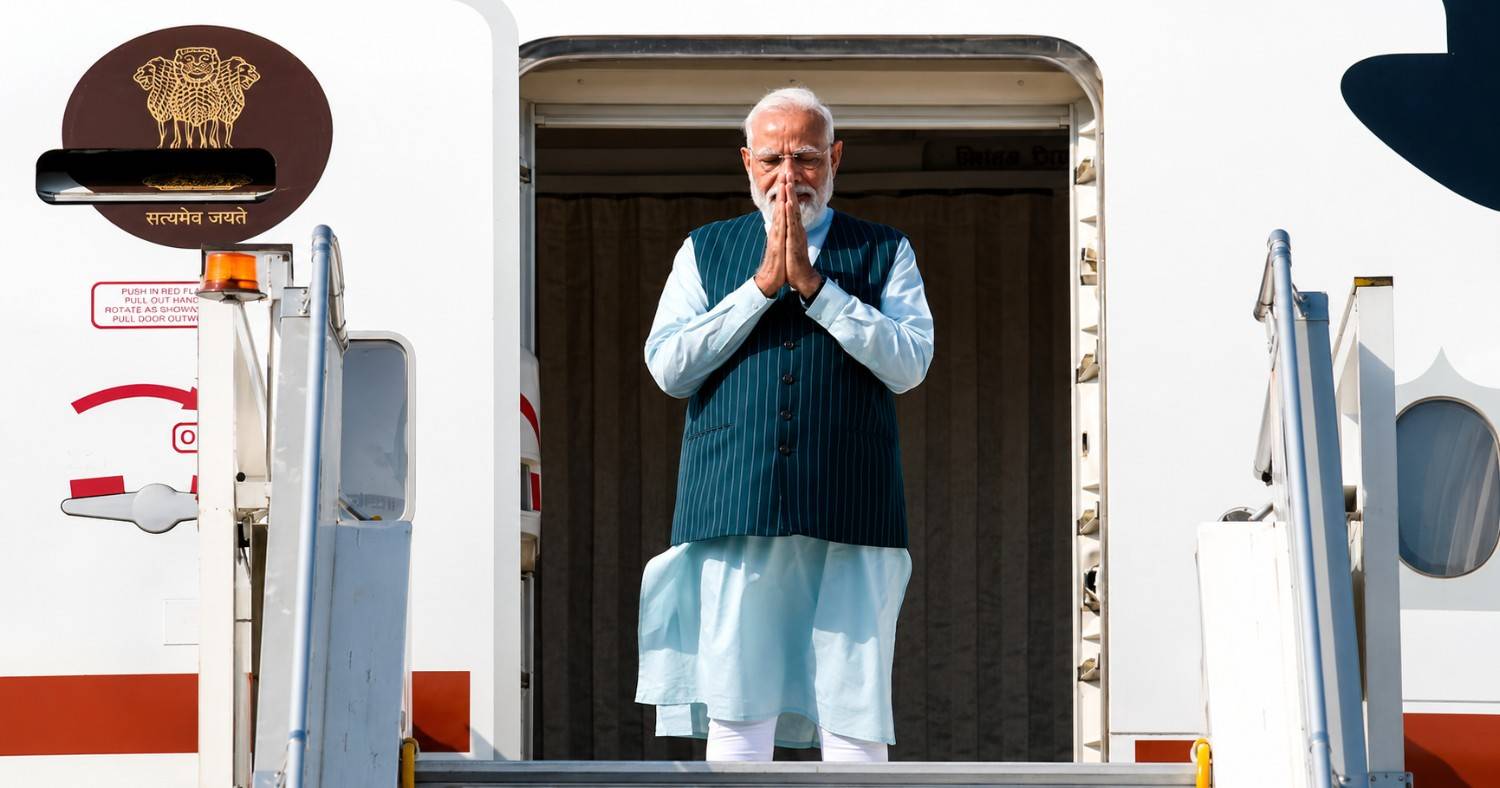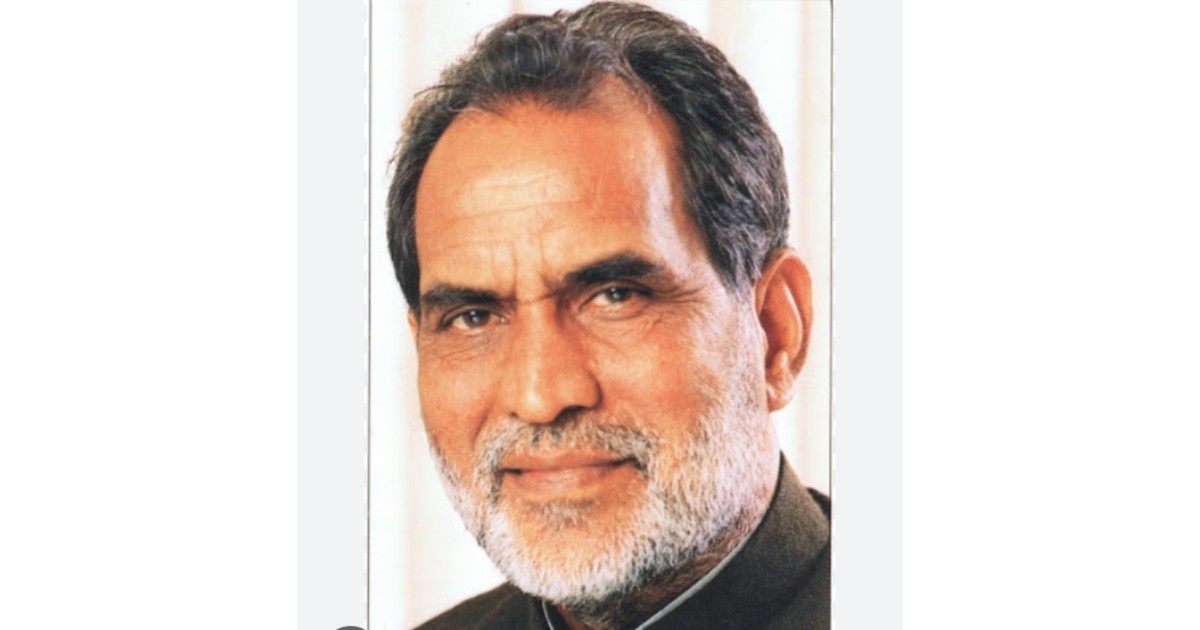


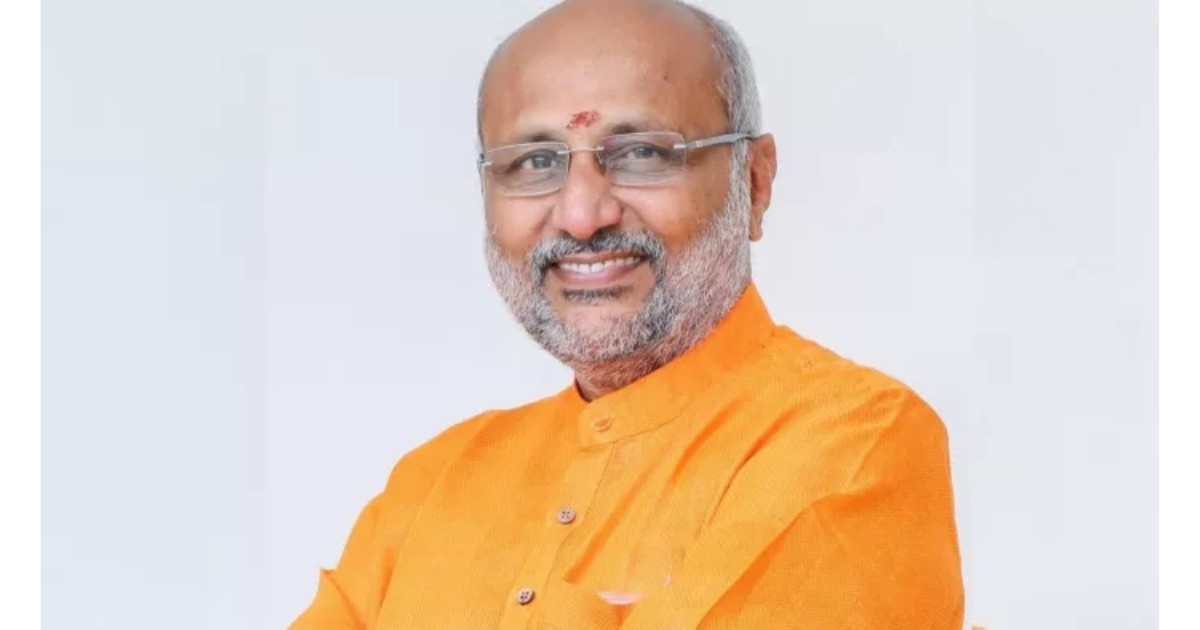
India’s Vice President C. P. Radhakrishnan is set to undertake a two-day official visit to Sri Lanka beginning April 19, in what is being described as a significant diplomatic outreach aimed at strengthening bilateral relations. The Ministry of External Affairs (MEA) announced the visit on April 17, highlighting its importance in the context of recent high-level exchanges between the two neighbouring countries.
This marks Radhakrishnan’s first bilateral visit to Sri Lanka since assuming office, signaling a renewed emphasis on diplomatic engagement and regional cooperation. The visit is expected to include meetings with key Sri Lankan leaders, discussions on shared priorities, and interactions with the Indian diaspora.
Key Announcements and Highlights
The upcoming visit is positioned as a continuation of sustained diplomatic efforts between India and Sri Lanka, particularly following recent engagements at the leadership level. According to the MEA, the visit is designed to further deepen ties rooted in historical, cultural, and economic connections.
During his stay, Vice President Radhakrishnan is scheduled to meet Sri Lankan President Anura Kumara Dissanayake and Prime Minister Harini Amarasuriya. These meetings are expected to cover a range of bilateral issues, including economic cooperation, regional stability, and development partnerships.
In addition to official engagements, the Vice President will also interact with members of the Indian diaspora in Sri Lanka. Such interactions are often seen as an important aspect of India’s foreign policy, reflecting the role of overseas Indian communities in strengthening bilateral ties.
The visit is also expected to include discussions on ongoing and future collaboration in sectors such as infrastructure development, trade, education, and cultural exchange.
Official Statement
While announcing the visit, the Ministry of External Affairs described it as a “timely sequel” to recent high-level interactions between the two nations. The statement emphasized that the visit would help “further invigorate bilateral ties” and reinforce the deep-rooted relationship between India and Sri Lanka.
Though the official communication did not elaborate on specific agreements or outcomes, it underscored the importance of sustained engagement at the highest levels of government. The MEA also highlighted the historical and civilizational links that continue to shape the relationship between the two countries.
Diplomatic observers note that such visits often serve multiple purposes — from reaffirming political goodwill to advancing practical cooperation in key sectors.
Context and Background
India and Sri Lanka share a long-standing relationship that spans centuries, rooted in shared cultural, religious, and linguistic ties. The proximity of the two countries has facilitated not only trade and migration but also deep interpersonal connections.
In recent years, the relationship has gained renewed focus amid shifting regional dynamics and economic challenges. Sri Lanka’s economic crisis in 2022 saw India emerge as a key partner, providing financial assistance, credit lines, and humanitarian support. This assistance played a significant role in stabilizing Sri Lanka’s economy during a period of severe distress.
High-level visits have been a consistent feature of bilateral relations. Leaders from both countries have engaged in regular dialogue, underscoring the strategic importance of the partnership. The upcoming visit by Vice President Radhakrishnan is part of this broader diplomatic trajectory.
Additionally, India’s “Neighbourhood First” policy continues to guide its engagement with Sri Lanka. This policy prioritizes strong ties with neighbouring countries, emphasizing cooperation in areas such as connectivity, trade, and security.
Sri Lanka, for its part, remains an important partner for India in the Indian Ocean region. The island nation’s strategic location makes it a key player in maritime trade routes and regional geopolitics.
Public Impact and Significance
While diplomatic visits may appear largely symbolic, they often have tangible implications for citizens in both countries. Strengthened bilateral ties can lead to increased trade, improved connectivity, and greater opportunities for collaboration in sectors such as education, healthcare, and tourism.
For businesses, enhanced cooperation can open up new markets and investment opportunities. Indian companies operating in Sri Lanka, as well as Sri Lankan enterprises engaging with India, stand to benefit from a stable and supportive policy environment.
For students and professionals, closer ties may translate into expanded exchange programs, scholarships, and employment opportunities. Cultural exchanges and tourism initiatives can also foster greater mutual understanding between the people of the two nations.
The Indian diaspora in Sri Lanka, which has historically played a role in bridging the two countries, is likely to benefit from increased engagement at the government level. Interactions with diaspora leaders during the visit are expected to address community concerns and explore avenues for further collaboration.
At a broader level, the visit reflects India’s continued commitment to regional stability and cooperation. In a region marked by evolving geopolitical dynamics, such engagements help reinforce trust and dialogue between neighbouring countries.
Broader Diplomatic Outlook
The visit comes at a time when both India and Sri Lanka are navigating complex economic and geopolitical landscapes. For Sri Lanka, ongoing economic recovery remains a key priority, while India continues to expand its regional influence through diplomatic and developmental initiatives.
Experts suggest that the visit could pave the way for new agreements or initiatives aimed at strengthening economic ties. Areas such as renewable energy, digital infrastructure, and maritime cooperation are likely to feature prominently in discussions.
There is also an increasing focus on connectivity projects, including port development and transportation links, which can enhance trade and movement between the two countries. India has already been involved in several such projects in Sri Lanka, and further collaboration is expected.
The visit may also address regional security concerns, particularly in the Indian Ocean region. Cooperation in maritime security and disaster management has been an important aspect of India-Sri Lanka relations.
Why This Visit Matters
The significance of Vice President Radhakrishnan’s visit lies not just in its timing but also in its potential to shape the future trajectory of India-Sri Lanka relations. As both countries seek to strengthen their partnership, high-level engagements play a crucial role in building trust and aligning priorities.
The visit underscores the importance of sustained diplomatic dialogue in addressing shared challenges and exploring new opportunities. It also highlights the role of leadership in advancing bilateral cooperation.
For India, the visit reinforces its commitment to engaging with its neighbours and promoting regional stability. For Sri Lanka, it signals continued support from a key partner as the country works towards economic recovery and development.
As discussions unfold over the two-day visit, attention will be on the outcomes and announcements that may emerge. Whether through new agreements, policy initiatives, or strengthened partnerships, the visit is expected to contribute to the evolving relationship between the two nations.
Inputs and images : Hindusthan Samachar
Edited By E. Devanshi varma
Also Read: Former Odisha Labour Officer Convicted in Bribery Case, Gets 3-Year Jail Term
Follow us on Google News: Click Here