

Jammu, April 15:
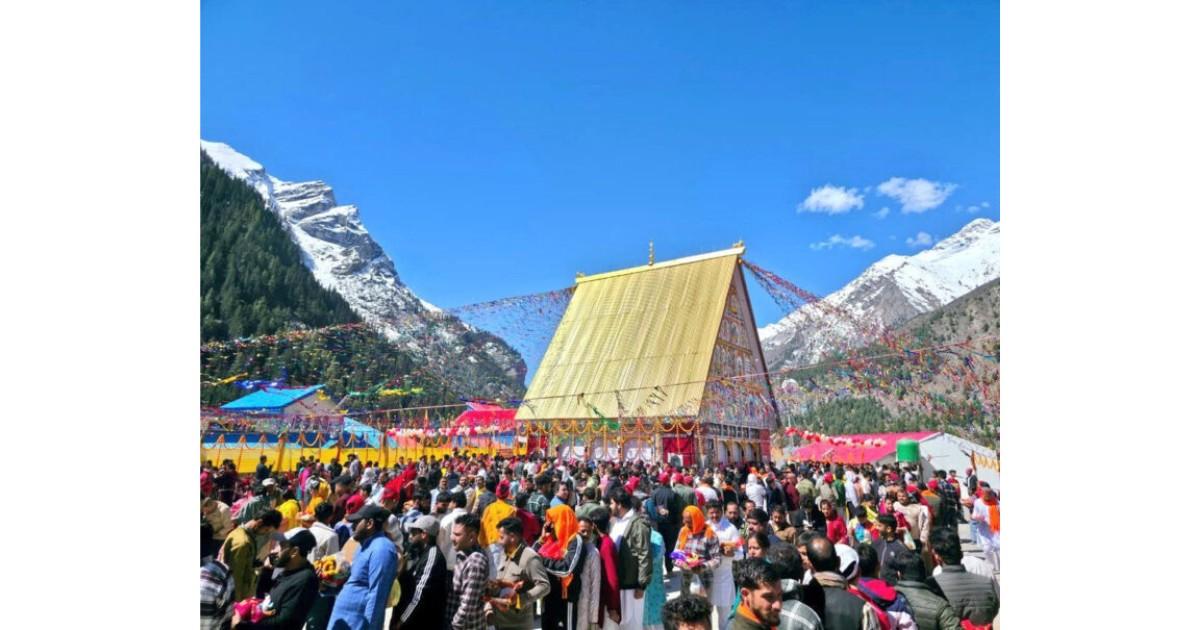
The annual Machail Mata Yatra has officially begun in Jammu and Kashmir’s Kishtwar district, drawing hundreds of devotees to the revered shrine located at an altitude of 9,705 feet in the picturesque Paddar Valley. Authorities have reopened the temple after its winter closure, but with stricter safety protocols in place, including mandatory prior registration for all pilgrims.
The pilgrimage, which holds deep religious significance for devotees across northern India, resumes under heightened administrative oversight this year. The move comes in the wake of a tragic cloudburst in 2025 that claimed dozens of lives and exposed vulnerabilities in the region’s infrastructure and disaster preparedness.
Mandatory Registration Introduced for Pilgrims
One of the most significant changes this year is the enforcement of compulsory registration for all devotees undertaking the Machail Mata Yatra. Officials have made it clear that no pilgrim will be allowed to proceed without completing the registration process.
To facilitate this, authorities are setting up registration counters at key locations, including Gauri Shankar Mandir in Sarkoot and the base camp at Gulabgarh. Additionally, the administration is implementing RFID (Radio Frequency Identification) tracking systems to monitor pilgrim movement and enhance safety.
RFID-based registration is a digital system that allows authorities to track the location of individuals in real-time. This technology is increasingly being used in major pilgrimages across India to improve crowd management and emergency response capabilities.
Officials say the system will help ensure better coordination during emergencies, especially in a region prone to sudden weather changes and landslides.
Yatra Begins with Rituals and Administrative Presence
The commencement of the pilgrimage was marked by traditional rituals and the shifting of the idol of Goddess Machail Mata from the residence of the local priest, Pehalwan Singh, to the main temple.
Senior administrative and police officials, including Divisional Commissioner Ramesh Kumar and Inspector General of Police Bhim Sen Tuti, were present at the shrine along with Kishtwar Deputy Commissioner Pankaj Kumar Sharma and SSP Naresh Singh. They joined devotees in offering prayers and reviewed the arrangements for the yatra.
Their presence underscores the administration’s focus on ensuring a safe and well-managed pilgrimage this year.
Enhanced Safety Measures After 2025 Tragedy
The stricter regulations come against the backdrop of a devastating cloudburst that struck Chisoti village on August 14 last year. The village serves as a key gateway to the Machail Mata shrine.
The disaster resulted in the deaths of 63 people, most of whom were pilgrims. Several others were injured, and around 30 individuals were reported missing. The cloudburst also caused severe damage to infrastructure, including the destruction of a crucial bridge and multiple buildings, disrupting access to the shrine.
This incident highlighted the risks associated with high-altitude pilgrimages in ecologically sensitive regions and prompted calls for improved safety mechanisms.
In response, the administration has significantly upgraded preparedness measures this year.
Comprehensive Review of Yatra Arrangements
Officials conducted a detailed assessment of the facilities and logistics required for the smooth conduct of the yatra. The review covered multiple aspects, including:
- Security arrangements along the route
- Availability of electricity and water supply
- Sanitation and waste management systems
- Healthcare facilities and emergency services
- Transportation and accommodation provisions
- Langar (community kitchen) services for pilgrims
Authorities have been instructed to ensure seamless coordination among different departments to avoid any disruptions during the pilgrimage season.
Special emphasis has been placed on healthcare preparedness, given the remote location and challenging terrain. Medical teams and emergency response units are being deployed at strategic points along the route.
Push for a Plastic-Free Pilgrimage
In an effort to promote environmental sustainability, officials have directed strict implementation of sanitation measures during the yatra. The administration aims to make the pilgrimage completely plastic-free.
Sanitation workers are being deployed in large numbers, and systems are being put in place for proper collection and disposal of waste. Devotees are also being encouraged to avoid single-use plastics and maintain cleanliness along the route.
Environmental concerns are particularly significant in the Paddar Valley, which is known for its fragile ecosystem. Increased footfall during the yatra season has historically put pressure on the local environment.
Infrastructure and Emergency Preparedness
Authorities are also focusing on strengthening infrastructure and contingency planning. Instructions have been issued to ensure uninterrupted electricity supply to Machail and surrounding areas.
Water availability, which can be a challenge in high-altitude regions, is being addressed through dedicated supply arrangements. Additionally, educational institutions such as schools and colleges along the route from Gulabgarh to Machail are being prepared to serve as temporary shelters in case of adverse weather conditions or emergencies.
This approach reflects lessons learned from previous years, particularly the 2025 disaster, where lack of adequate shelter and connectivity exacerbated the situation.
Why This Pilgrimage Matters
The Machail Mata Yatra is not just a धार्मिक event but also an important cultural and economic activity for the region. The shrine is dedicated to Goddess Durga in her Machail Mata form and attracts devotees from Jammu, Himachal Pradesh, Punjab, and other parts of the country.
For local communities in Kishtwar, especially in the remote Paddar Valley, the yatra season provides a vital source of income. Pilgrims contribute to the local economy by using transport services, purchasing goods, and availing accommodation and food facilities.
At the same time, the increasing scale of the pilgrimage has necessitated better planning to balance religious tourism with safety and environmental conservation.
Public Impact: What Devotees Need to Know
For pilgrims planning to undertake the yatra this year, the key takeaway is the importance of compliance with the new registration requirement.
Authorities have made it mandatory for all devotees to register before starting their journey. This measure is intended to ensure their safety and enable better management of the pilgrimage.
Additionally, pilgrims are advised to:
- Follow designated routes and guidelines issued by authorities
- Avoid carrying plastic items
- Be prepared for sudden weather changes
- Cooperate with officials and emergency personnel
The administration’s focus this year is clearly on preventing a repeat of past tragedies while ensuring that devotees can undertake the pilgrimage with confidence.
Looking Ahead
With improved safety protocols, enhanced infrastructure, and stricter regulation, the Machail Mata Yatra is expected to proceed in a more organized manner this year. Authorities have indicated that they will continue to monitor the situation closely and make adjustments as needed.
The success of these measures will likely influence how future high-altitude pilgrimages are managed, not just in Jammu and Kashmir but across India.
As the yatra progresses, the balance between devotion, safety, and sustainability will remain central to the administration’s approach.
Inputs and images : Hindusthan Samachar
Edited By E. Devanshi varma
Also Read: Police Arrest 5 More in Sopore Protest Vandalism Case, Total Detentions Reach 13
Follow us on Google News: Click Here