
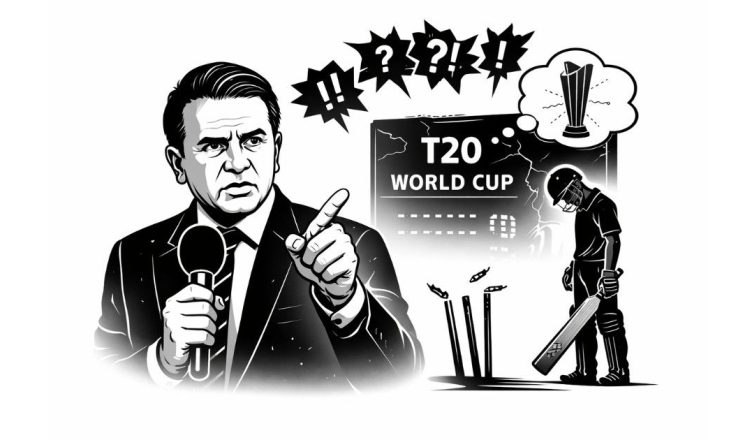
India’s batting performance in the ongoing T20 World Cup 2026 has come under sharp criticism after a disappointing defeat in the Super 8 stage. Former India captain Sunil Gavaskar has openly questioned the team’s approach, calling the batting display “reckless” and “lacking responsibility.”
His remarks have sparked a wider debate across cricket circles. Former players, analysts, and fans are now asking the same question: Is India’s aggressive T20 template failing at the global stage?
With knockout qualification at stake and pressure mounting, the issue is no longer about one bad match. It is about a pattern that experts say needs urgent correction.
This controversy matters because India entered the tournament as one of the favourites. Expectations were high. The batting lineup included experienced stars and explosive young players. Yet, in crucial moments, the team has struggled to build partnerships and manage pressure.
What Sunil Gavaskar Said About India’s Batting
During a post-match analysis, Sunil Gavaskar did not hold back. He said India’s batters were “simply throwing the bat” instead of playing smart cricket.
He pointed out three major concerns:
- Poor shot selection in powerplay overs
- Lack of partnerships in the middle overs
- No attempt to stabilise innings after early wickets
According to Gavaskar, T20 cricket does not mean reckless hitting. He stressed that even in the shortest format, game awareness and strike rotation are essential.
He highlighted that when early wickets fall, senior players must take responsibility. Instead, India lost wickets in clusters, putting pressure on the lower order.
Gavaskar also reminded viewers that past Indian T20 successes came when players mixed aggression with stability.
India’s Batting Numbers Raise Questions
The criticism is backed by performance data from the recent match:
- India were bowled out for a below-par total in under 20 overs
- The top order failed to cross double digits collectively
- The team lost multiple wickets inside the powerplay
- No batter scored a half-century in the match
These numbers show a worrying trend. In high-pressure matches, India’s batting has not delivered consistent results.
Cricket experts say that while aggressive starts are important, losing early wickets forces the middle order to rebuild. That often leads to a slowdown and then panic hitting later.
Experts React to Gavaskar’s Comments
Gavaskar’s strong words triggered reactions from several former cricketers and commentators.
“Intent Must Be Balanced With Intelligence”
Some experts agreed with Gavaskar. They said India’s ultra-aggressive approach may work in bilateral series but not always in global tournaments.
They argued that T20 cricket at the World Cup level demands smarter planning. Opponents study weaknesses. Bowlers target specific match-ups. Blind aggression can backfire.
Others Defend the Modern Approach
However, a few analysts defended the team’s strategy. They said modern T20 cricket is built around high strike rates. If the same shots had worked, the team would have been praised for positive intent.
They added that one bad game should not define the entire campaign.
Still, most experts agreed that situational awareness is crucial in knockout stages.
Is India’s T20 Strategy Too Predictable?
One major concern raised after Gavaskar’s remarks is predictability.
Opposition teams now expect Indian batters to attack from ball one. Bowlers are using slower deliveries, wide yorkers, and clever field placements to exploit this pattern.
In recent matches:
- Powerplay wickets have fallen early
- Middle overs have seen dot-ball pressure
- Death overs have lacked strong finishers
This suggests that teams are reading India’s plan well.
Former players believe the team needs flexibility. Not every pitch supports big hitting. Some conditions require patience and rotation.
Pressure of Big Tournaments
The T20 World Cup is different from regular series. The stakes are higher. Every mistake becomes costly.
India has faced criticism in previous ICC tournaments as well for not finishing strongly in knockout stages.
Experts say mental pressure plays a role. When early wickets fall, panic can spread quickly in the dressing room.
Gavaskar’s comments may also be a reminder that senior players must guide younger batters during tense moments.
Captaincy and Team Management Under Spotlight
While most criticism has focused on the batters, some analysts say leadership decisions must also be reviewed.
Questions being discussed include:
- Was the team combination right?
- Should a stabilising batter have been included?
- Were match-ups planned correctly?
Team management has so far backed the aggressive approach. They believe in playing fearless cricket.
But with qualification on the line, adjustments may be needed in the next match.
Fan Reactions Across India
Social media platforms saw intense debate after Gavaskar’s comments.
Some fans supported the legend’s straightforward analysis. They said someone needed to speak honestly.
Others felt the criticism was too harsh. They argued that modern T20 cricket is fast and risky by nature.
Hashtags related to India’s batting collapse trended across platforms. Discussions focused on:
- Shot selection
- Team balance
- Experience vs youth
- Pressure handling
The emotional reaction shows how deeply cricket connects with Indian fans.
What Needs to Change Before the Next Match?
Experts suggest a few key improvements:
1. Stronger Powerplay Planning
The top order must assess conditions in the first two overs before attacking blindly.
2. Build One Solid Partnership
Even in T20, one partnership of 50–70 runs can change momentum.
3. Rotate Strike More Often
Dot-ball pressure forces risky shots. Singles and doubles reduce that stress.
4. Senior Players Taking Responsibility
Experienced batters must anchor when wickets fall early.
5. Clear Role Definition
Every player should know whether they are an aggressor or stabiliser.
Upcoming Fixtures Crucial for Qualification
India’s next Super 8 match is critical. A win keeps semi-final hopes alive. A loss may push the team out of contention.
The net run rate factor also matters. So batting responsibly while maintaining scoring speed becomes essential.
The team management is expected to review footage and plan adjustments.
Gavaskar’s Legacy and Influence
When Sunil Gavaskar speaks, Indian cricket listens.
He is one of India’s greatest batters and a respected voice in the sport. His criticism is rarely emotional. It usually focuses on technical and mental aspects of the game.
His remarks may act as a wake-up call rather than simple criticism.
In past tournaments, similar public observations have pushed teams to rethink strategies.
Bigger Question: Aggression vs Stability in T20 Cricket
This debate is not just about one match. It reflects a larger shift in T20 philosophy.
Modern teams often aim for 200-plus totals. Strike rates above 150 are now common.
But in pressure matches, balance matters.
Some of the most successful T20 innings in ICC history came from calculated aggression, not uncontrolled hitting.
India must decide whether to stick fully to its attacking template or adapt based on match situations.
Final Word: A Turning Point Moment
Sunil Gavaskar’s strong comments have added urgency to India’s T20 World Cup campaign.
The team still has time to respond. But the next match could define the tournament journey.
If India adjusts its approach and combines aggression with game awareness, the team can bounce back strongly.
If the same mistakes continue, the criticism will only grow louder.
For now, all eyes are on the dressing room discussions and the strategy for the upcoming clash.
Cricket in India is never just a game. It is emotion, expectation, and pride. And when a legend raises concerns, the message carries weight.
The coming days will show whether this moment becomes a setback or a turning point in India’s T20 World Cup 2026 campaign.
Also Read: 7 Powerful Signals: TVS Motor CEO Highlights Strong Two-Wheeler Growth and Clear GST Impact Roadmap
Follow us on google news: Click Here
Last Updated on: Monday, February 23, 2026 2:40 pm by News Estate Team | Published by: News Estate Team on Monday, February 23, 2026 2:40 pm | News Categories: News
About The Author
