


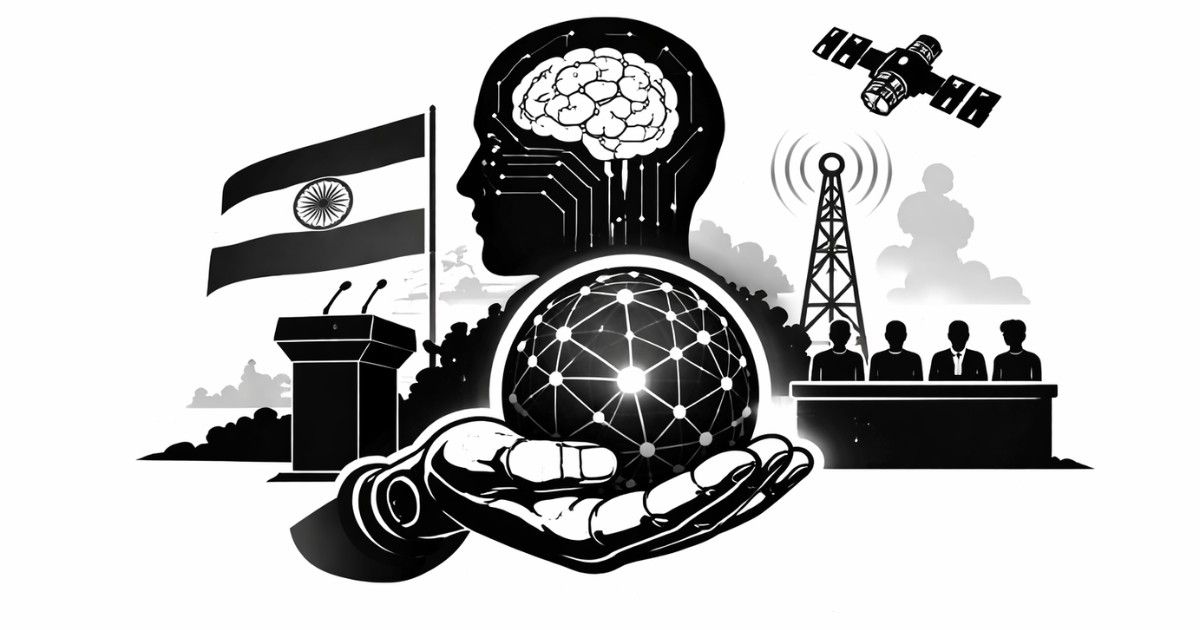
The India AI Impact Summit 2026 has emerged as one of the most important technology policy events of the year. At a time when artificial intelligence is reshaping industries, education, healthcare, and governance, the summit has placed India’s AI ambitions in sharp focus.
With global competition in AI growing rapidly, India is positioning itself as both a major innovation hub and a responsible digital power. The discussions at the summit were centred on AI innovation, regulation, public infrastructure, startup growth, and long-term national tech priorities.
For Indian businesses, startups, students, and policymakers, the outcomes of this summit could shape decisions for years ahead.
What Is the India AI Impact Summit 2026?
The AI Impact Summit 2026 brought together:
- Government leaders
- Technology companies
- Startup founders
- Academic experts
- Policy researchers
The goal was clear: align AI development with national growth goals while ensuring ethical and safe use.
The summit focused on practical outcomes rather than only discussions. Key areas included AI in governance, public digital infrastructure, skill development, and industry collaboration.
Key Outcomes from the AI Impact Summit 2026
1. Strong Push for Responsible AI Framework
One of the major themes was responsible AI.
There was broad agreement that AI systems must be:
- Transparent
- Accountable
- Safe for users
- Inclusive
India is working toward a balanced approach. The aim is to encourage innovation while protecting citizens from misuse of AI tools.
This approach is important as AI becomes part of everyday services such as banking, healthcare, and public schemes.
2. Focus on Public Digital Infrastructure
India’s digital public infrastructure model was highlighted as a key strength.
Experts discussed how AI can build on existing systems such as:
- Digital identity platforms
- Digital payment networks
- Data-sharing frameworks
By integrating AI into public systems, the government aims to improve service delivery in:
- Agriculture
- Healthcare
- Education
- Urban management
This signals that AI in India will not remain limited to private tech firms. It will also power public services.
3. Boost for AI Startups and Innovation Ecosystem
The summit placed strong emphasis on India’s startup ecosystem.
India already has one of the world’s largest startup bases. AI-focused startups are growing in areas like:
- Fintech
- Health tech
- Edtech
- Logistics
- Language technology
The discussions focused on improving:
- Access to funding
- Research collaboration
- High-quality datasets
- Advanced computing access
Support for domestic AI startups is seen as a national priority.
4. AI Talent and Skill Development
Another key outcome was the importance of AI skill development.
India has a large young population. However, AI requires specialised skills in:
- Machine learning
- Data science
- Cybersecurity
- Cloud computing
There was agreement that universities and technical institutes must update their curriculum.
Skill development programs and industry partnerships will play a major role in closing the talent gap.
This aligns with India’s long-term digital workforce goals.
5. Sector-Specific AI Adoption Plans
The summit highlighted specific sectors where AI adoption will accelerate.
Healthcare
AI tools can help in:
- Early disease detection
- Medical imaging analysis
- Public health monitoring
This can improve access in rural and remote areas.
Agriculture
AI-driven tools can support:
- Crop monitoring
- Weather prediction
- Soil analysis
For a country where agriculture supports millions, this is significant.
Education
AI-based personalised learning systems are being discussed for wider use in schools and colleges.
Manufacturing
AI in automation and quality control can improve productivity and exports.
These sector-focused discussions show that India’s AI roadmap is practical and outcome-driven.
India’s National Tech Priorities After the Summit
The summit made India’s national AI priorities clearer.
1. Innovation with Inclusion
India wants AI growth that benefits all sections of society.
There is focus on:
- Regional language AI tools
- Affordable access
- Rural connectivity
This ensures that AI adoption is not limited to large cities.
2. Data Governance and Security
As AI systems rely on large datasets, data governance remains critical.
The summit discussions stressed:
- Secure data handling
- Privacy safeguards
- Ethical data use
Trust will be essential for public acceptance of AI technologies.
3. Global Collaboration
India aims to play a larger role in global AI governance discussions.
Collaboration with other nations in research, standards, and regulation was highlighted.
At the same time, there is strong focus on building domestic capability and reducing reliance on external systems.
4. Investment in AI Infrastructure
AI development requires computing power and advanced infrastructure.
National priorities include:
- Expanding data centres
- Improving cloud access
- Supporting research institutions
Without infrastructure, AI innovation cannot scale.
How the Summit Impacts Indian Businesses
For Indian companies, the summit sends a clear message: AI adoption is no longer optional.
Businesses across sectors must prepare for:
- AI-driven automation
- Predictive analytics
- Intelligent customer service systems
Companies that adapt early will gain a competitive edge.
Small and medium enterprises are also expected to adopt AI tools as costs gradually reduce.
What This Means for Students and Professionals
The impact goes beyond companies.
Students should note the growing demand for AI skills. Career opportunities are expanding in:
- Data analysis
- AI model development
- AI ethics
- Cybersecurity
Professionals in traditional sectors may also need to upgrade their skills.
AI literacy is becoming part of mainstream career growth.
Challenges That Remain
Despite strong momentum, several challenges remain.
Digital Divide
Not all regions have equal digital access.
Infrastructure gaps must be addressed to ensure inclusive AI growth.
Regulatory Balance
Too much regulation may slow innovation. Too little may create risks.
Finding the right balance will be crucial.
Global Competition
Major economies are investing heavily in AI research.
India must move quickly to remain competitive.
Why India AI Impact Summit 2026 Is a Turning Point
The summit has not introduced a single headline announcement. Instead, it has clarified direction.
The key takeaway is strategic alignment.
India’s AI innovation goals are now closely linked with:
- Economic growth
- Digital governance
- Skill development
- Startup expansion
This coordinated approach could define India’s technology future for the next decade.
The Road Ahead
The real test begins after the summit.
Policies must translate into action.
Startups need access to support.
Students need updated training.
Industries need clear guidelines.
If implementation matches the vision discussed at the India AI Impact Summit 2026, India could strengthen its position as a global AI innovation hub.
For now, the summit has sent a strong signal: artificial intelligence is central to India’s national tech priorities — and the country is preparing for long-term transformation.
Edited By: E.Devanshi Varma
Also Read: Leslee Lewis Returns: Bollywood Music Trends and Industry Impact in 2026
Follow us on google news: Click Here