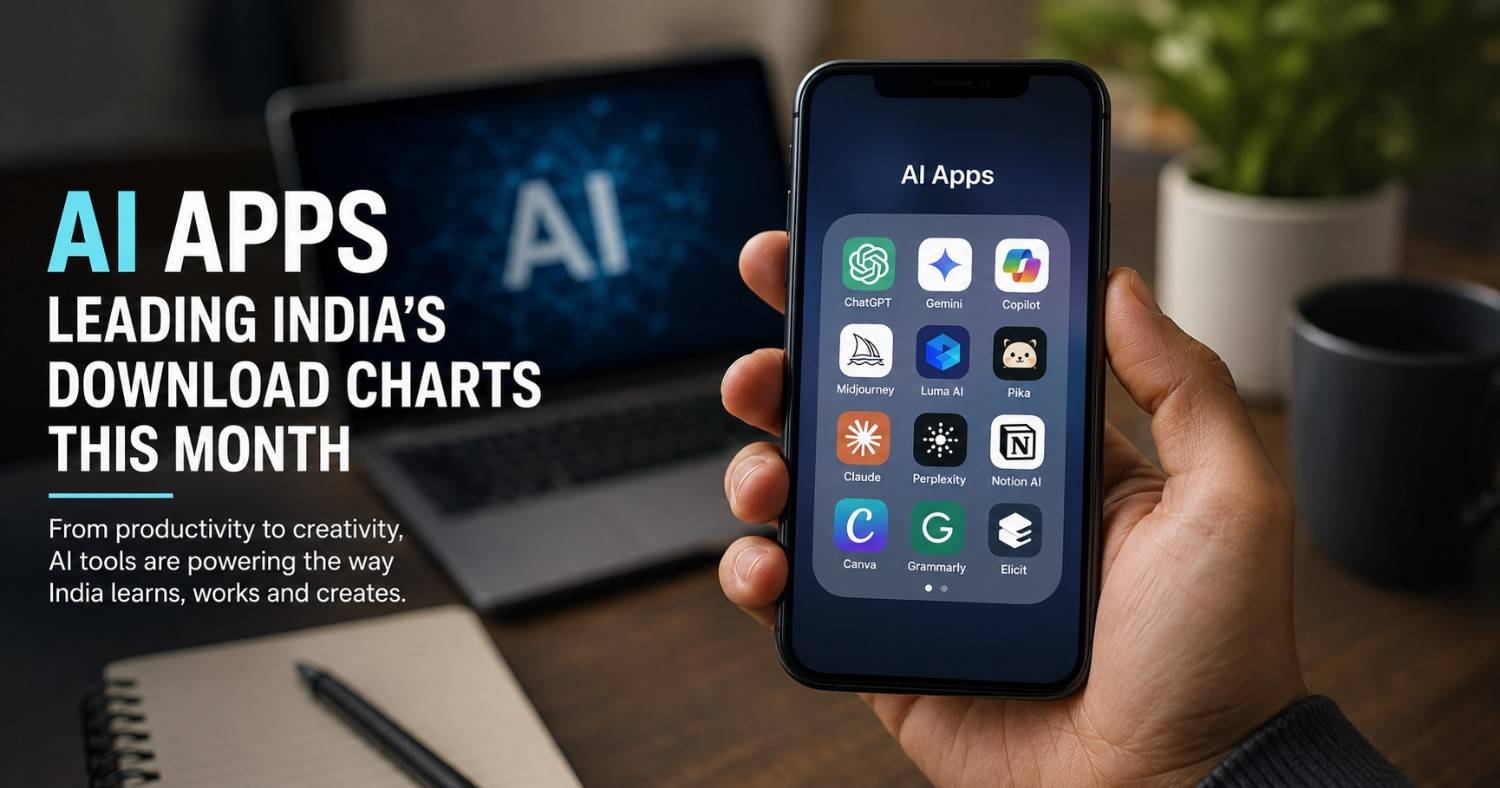


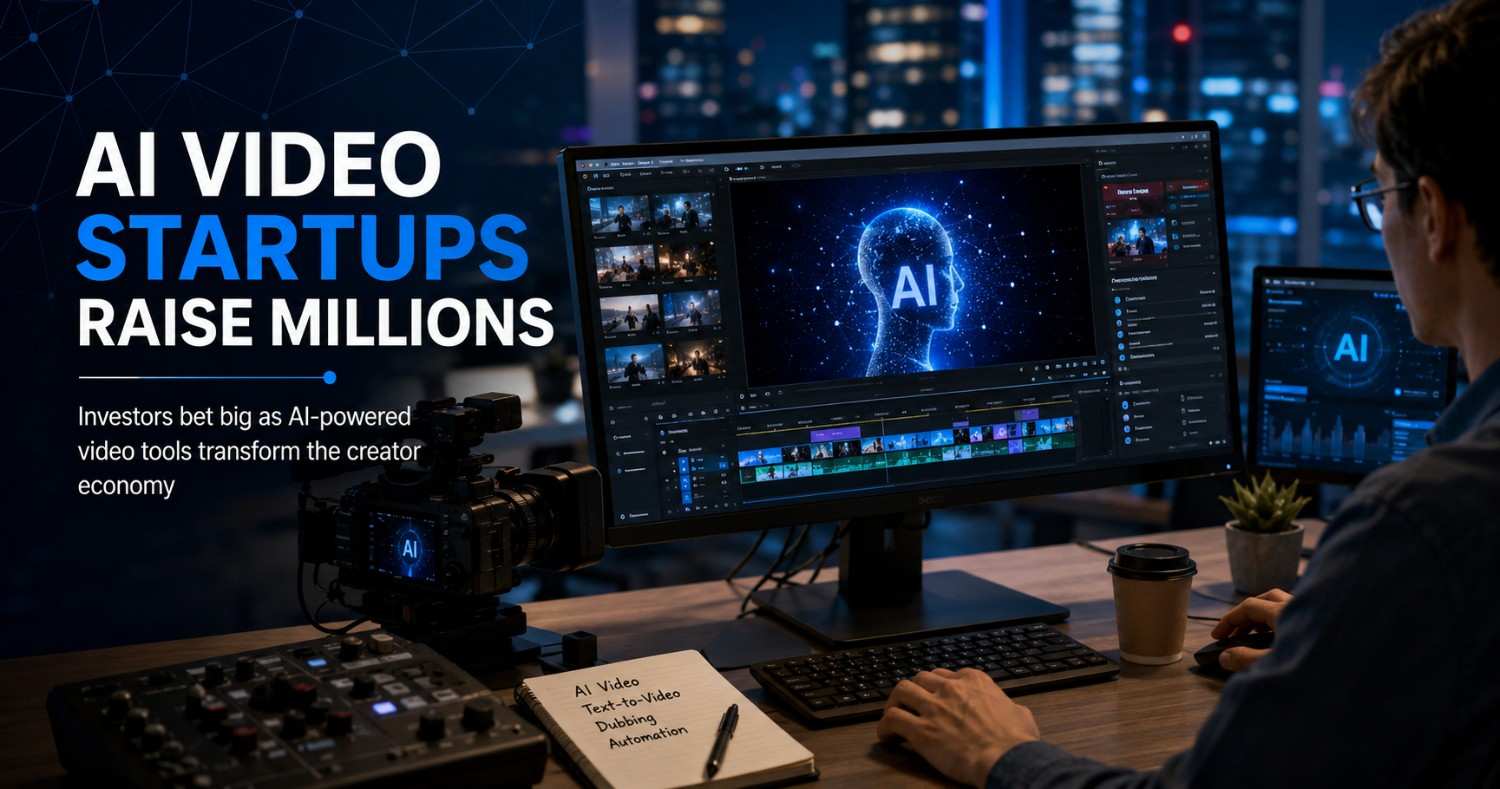
Artificial intelligence-powered video startups are witnessing a major investment surge in 2026 as investors increasingly bet on the future of automated content creation, virtual production, and next-generation creator tools. Across global startup ecosystems — including India, the United States, Europe, and Southeast Asia — AI video platforms are rapidly attracting millions in fresh funding amid growing demand for faster, cheaper, and scalable video production.
The funding wave reflects a broader transformation underway across digital media, advertising, entertainment, online education, gaming, and social media industries, where AI-generated video tools are beginning to reshape how visual content is produced and distributed.
From AI-powered editing software and text-to-video generators to synthetic avatars, automated dubbing, virtual influencers, and cinematic rendering systems, startups operating in the AI video segment are increasingly becoming central players in the evolving creator economy.
Industry analysts say the recent investment momentum is being driven by two major shifts: the explosive rise of short-form digital content and the growing commercialization of generative AI technologies. As platforms like YouTube Shorts, Instagram Reels, TikTok, and AI-native entertainment channels continue to dominate user attention, businesses and creators are searching for tools that can dramatically reduce production costs while maintaining high visual quality.
Venture capital firms and technology investors now view AI video infrastructure as one of the fastest-growing segments within the broader artificial intelligence ecosystem. Several startups have reportedly secured funding rounds ranging from seed-stage investments to multi-million-dollar growth capital deals over the past year.
The rapid growth of generative AI models has played a critical role in accelerating this trend. Advanced systems are now capable of producing realistic visuals, voiceovers, automated subtitles, multilingual dubbing, facial animation, background generation, and even full video sequences from simple text prompts. What once required large production teams, expensive studios, and complex post-production workflows can increasingly be executed through AI-assisted platforms.
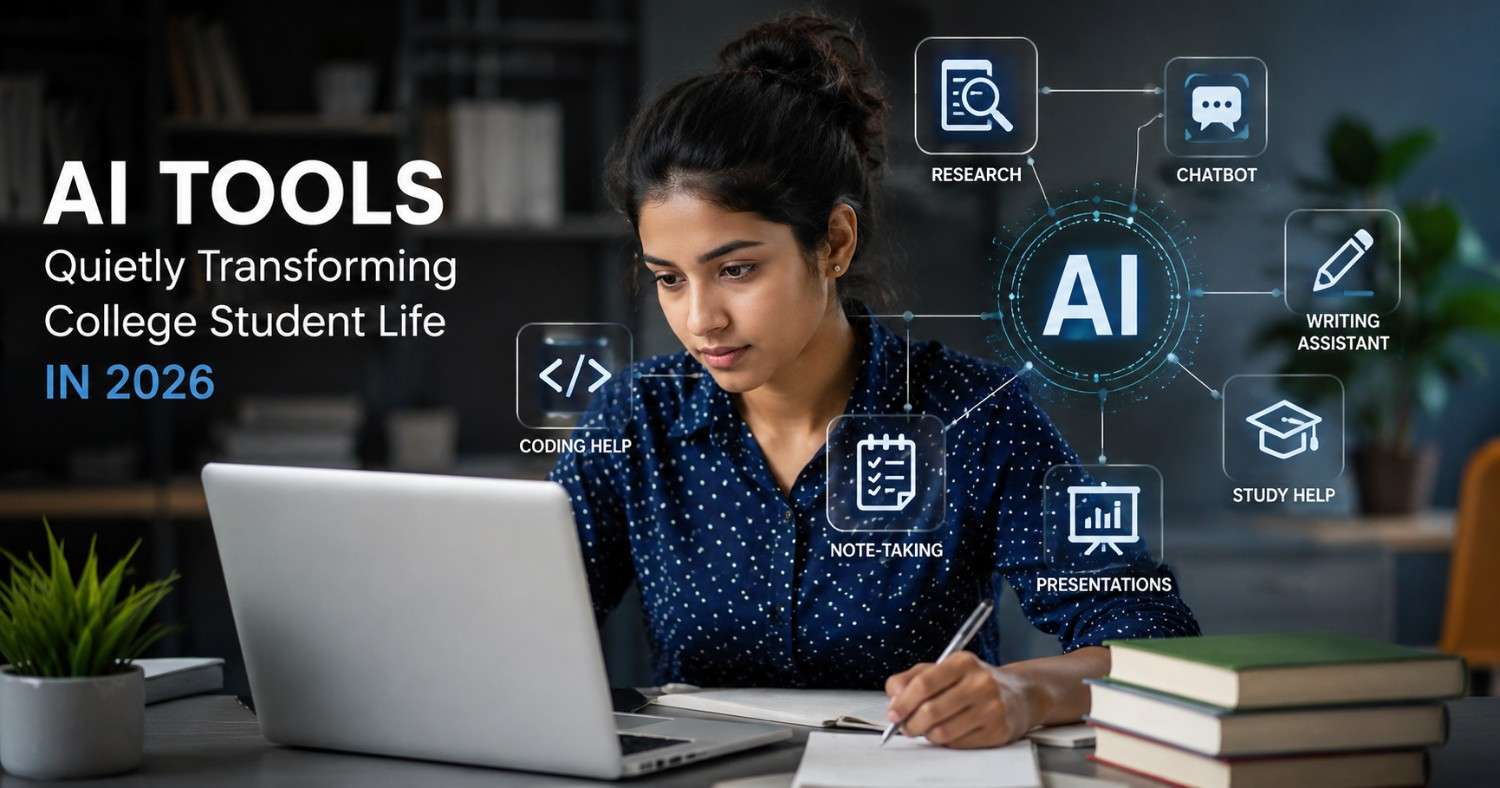
For independent creators and smaller production companies, this technological shift is significantly lowering entry barriers. AI tools are enabling freelancers, educators, influencers, marketers, and small businesses to create professional-looking video content without requiring large budgets or advanced technical expertise.
India is also emerging as an important market within this expanding ecosystem. The country’s rapidly growing digital creator economy, combined with rising smartphone penetration and affordable internet access, has created strong demand for localized AI video solutions. Indian startups focusing on regional-language dubbing, AI voice synthesis, automated editing, and creator-focused production tools are increasingly drawing investor interest.
Market researchers note that India’s creator economy has evolved far beyond entertainment influencers. Educational content creators, regional media publishers, e-commerce sellers, gaming streamers, podcasters, and digital marketing agencies are all contributing to rising demand for scalable video production technologies.
Several investors believe AI video platforms could become essential infrastructure for future digital communication. Businesses are increasingly integrating AI-generated video into advertising campaigns, customer support systems, training modules, product demonstrations, and internal communications. Educational institutions and online learning platforms are also experimenting with AI-generated instructors, automated lessons, and multilingual teaching content.
The corporate sector’s growing adoption of AI video systems is helping startups expand beyond consumer creator markets. Enterprise-focused AI video companies are now offering tools for automated presentations, AI-generated training videos, sales explainers, and virtual spokesperson technology. This diversification is attracting institutional investors seeking long-term commercial applications rather than purely consumer-driven growth.
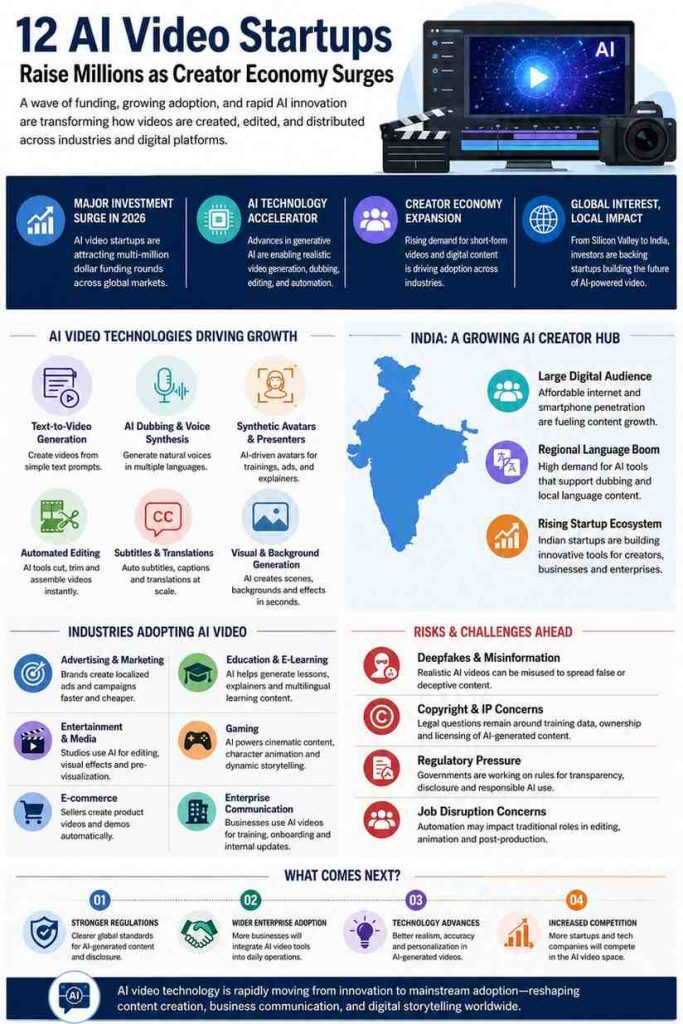
At the same time, the competitive landscape within the AI video industry is becoming increasingly crowded. Established technology firms, global AI labs, cloud providers, and social media companies are all investing aggressively in video-generation capabilities. Startups therefore face mounting pressure to differentiate themselves through specialized tools, regional customization, enterprise partnerships, or creator-focused ecosystems.
Experts say monetization sustainability remains one of the biggest challenges facing the sector. While AI-generated video tools have gained enormous public attention, many startups are still experimenting with long-term revenue models. Subscription-based pricing, enterprise licensing, API access, creator marketplaces, and white-label AI production services are among the strategies currently being explored.
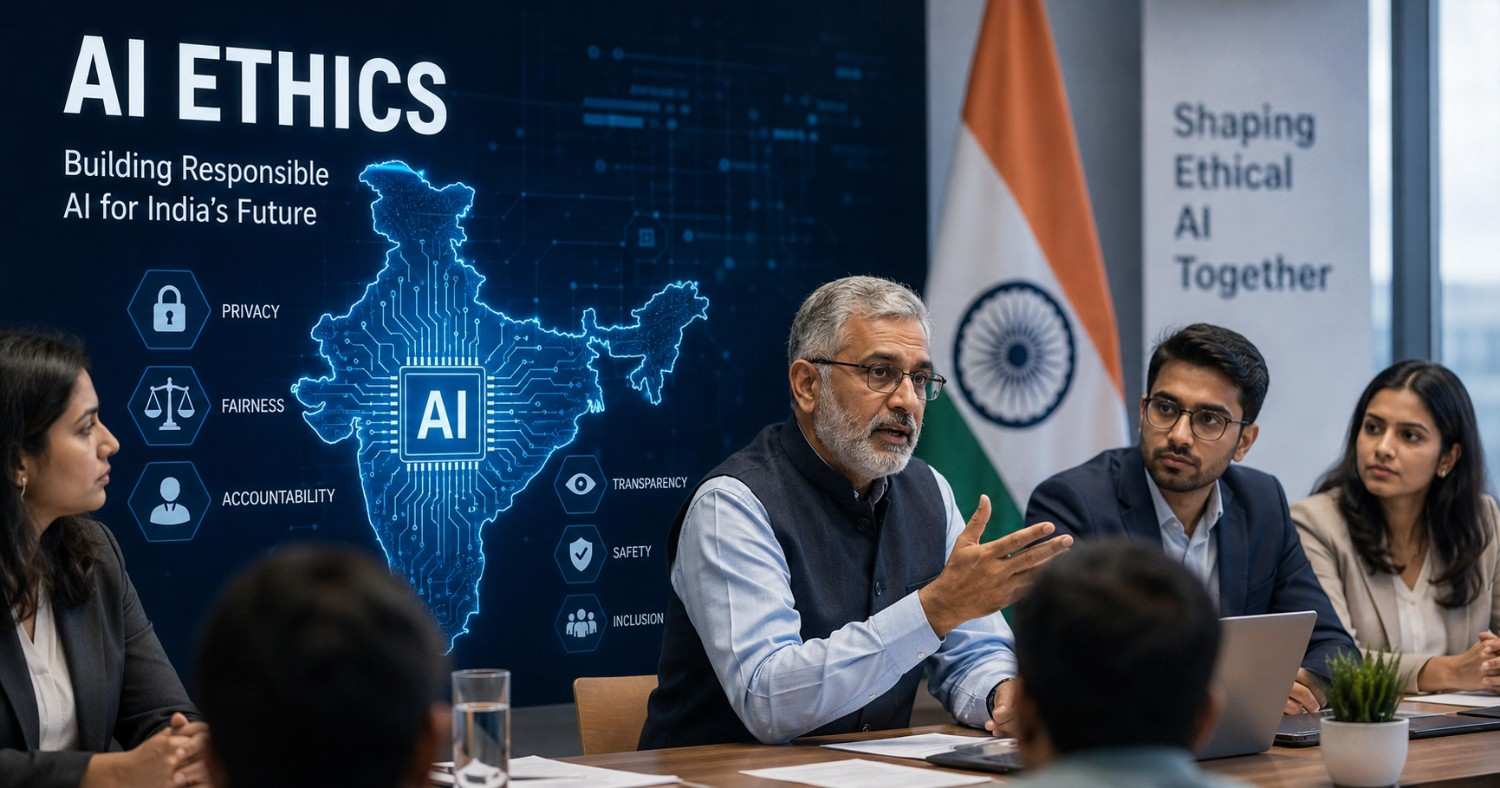
Regulatory concerns are also beginning to shape the industry’s future trajectory. Governments and policymakers across multiple countries are paying closer attention to synthetic media, deepfakes, copyright ownership, misinformation risks, and AI-generated impersonation. As AI video technology becomes more realistic and accessible, concerns surrounding digital authenticity and misuse are intensifying.
Several technology policy experts have called for clearer disclosure standards around AI-generated media, especially in political advertising, news publishing, and public communication. Industry observers believe regulatory frameworks introduced over the next few years could significantly influence how AI video startups operate and scale internationally.
Copyright disputes may become another defining issue for the industry. Questions around training data usage, ownership of AI-generated visuals, and licensing rights are increasingly attracting legal scrutiny. Media companies, entertainment studios, and creators are closely watching how governments and courts respond to evolving intellectual property challenges linked to generative AI systems.
Despite these concerns, investor enthusiasm remains strong. Many analysts compare the current AI video boom to earlier technological shifts that transformed photography, social media publishing, and mobile content creation. Some venture firms believe AI-generated video could eventually become a default layer within most digital communication platforms.
The advertising industry, in particular, is expected to become one of the largest commercial beneficiaries. Brands are already experimenting with AI-generated campaigns capable of producing localized advertisements at scale. Instead of creating separate productions for multiple languages or regions, marketers can now adapt content through AI-powered dubbing, synthetic presenters, and automated visual customization.
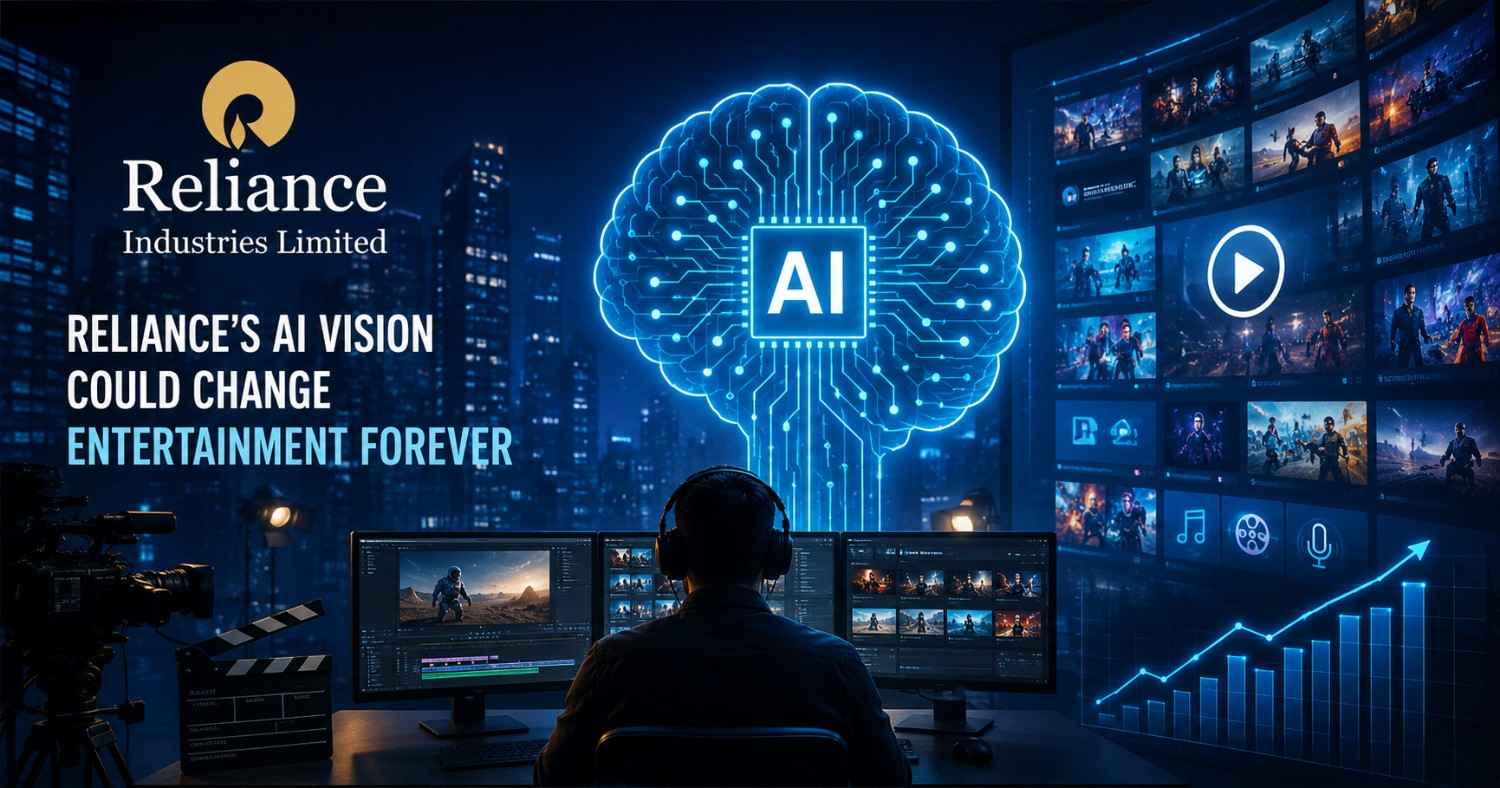
Streaming platforms and entertainment companies are also beginning to explore AI-assisted production workflows. While fully AI-generated films remain limited, several studios are testing AI-enhanced editing, script visualization, scene generation, and visual effects tools to reduce production timelines and operational costs.
The gaming industry is similarly adopting AI-generated cinematic content, non-player character animation, and automated storytelling systems. Analysts believe the overlap between gaming, virtual production, and AI-generated media could create entirely new digital entertainment formats over the next decade.
For creators, however, the AI transition presents both opportunities and uncertainty. While automation tools can significantly improve productivity, some professionals worry about the long-term impact on traditional editing jobs, animation work, voice acting, and post-production roles. Industry unions and creative communities are increasingly debating how AI adoption should be balanced with fair labor protections and creative rights.
Supporters of AI video tools argue that the technology should be viewed primarily as an augmentation system rather than a complete replacement for human creativity. Many successful creator workflows currently combine AI automation with human scripting, direction, storytelling, branding, and editorial judgment.
Investor activity suggests confidence that the sector’s growth is still in its early stages. Startup accelerators, AI-focused venture funds, and technology incubators are actively searching for companies building tools around generative video infrastructure, creator monetization, synthetic media detection, and AI-driven production workflows.
As competition intensifies, startups that can balance technological innovation with trust, usability, and regulatory compliance may ultimately emerge as long-term leaders in the space. Industry observers believe the next phase of growth will likely focus not only on generating realistic content, but also on improving reliability, authenticity safeguards, and scalable commercial deployment.
The current investment boom surrounding AI video startups highlights how rapidly artificial intelligence is moving from experimental technology into mainstream digital infrastructure. Whether in entertainment, education, marketing, gaming, or enterprise communication, AI-generated video is increasingly becoming part of everyday online experiences — and investors appear determined to secure an early position in what many view as one of the next major technology markets.
Highlights
- AI video startups are attracting major investor funding as demand for automated content creation tools rises globally.
- Generative AI platforms are transforming video production through text-to-video generation, AI dubbing, synthetic avatars, and automated editing.
- India is emerging as a growing market for AI video tools driven by regional-language creators and expanding digital audiences.
- Businesses are increasingly adopting AI-generated video for advertising, training, customer engagement, and internal communication.
- Regulatory concerns around deepfakes, copyright, misinformation, and synthetic media transparency are gaining attention worldwide.
- Investors believe AI-generated video could become a foundational layer across future digital communication platforms.
FAQ
What are AI video startups?
AI video startups are companies developing artificial intelligence tools that automate or enhance video creation, editing, dubbing, animation, or production workflows using machine learning and generative AI technologies.
Why are investors funding AI video companies heavily in 2026?
Investors see strong growth potential due to rising global demand for digital video content, creator economy expansion, and advances in generative AI systems capable of reducing production costs.
How are AI video tools changing content creation?
These tools can generate visuals, edit footage, create subtitles, dub content into multiple languages, and even produce videos from text prompts, making production faster and more accessible.
Why is India becoming an important market for AI video startups?
India’s expanding creator economy, regional-language internet growth, affordable mobile data, and increasing digital content consumption are creating strong demand for scalable AI-powered video tools.
Which industries are using AI-generated video technology?
Advertising, entertainment, education, gaming, e-commerce, social media, and enterprise communication sectors are increasingly adopting AI video systems.
Are there concerns about AI-generated videos?
Yes. Policymakers and industry experts have raised concerns about deepfakes, misinformation, copyright disputes, synthetic impersonation, and transparency around AI-generated media.
Could AI replace traditional video production jobs?
Some industry professionals are concerned about automation affecting editing, voice acting, and post-production roles. However, many experts believe AI will primarily function as a productivity-enhancing tool alongside human creativity.
How are businesses using AI video technology?
Companies are using AI-generated videos for marketing campaigns, product demonstrations, training materials, customer support content, and multilingual communication.
What challenges do AI video startups face?
Key challenges include monetization sustainability, regulatory uncertainty, growing competition, copyright issues, and maintaining trust in synthetic media technologies.
What could happen next in the AI video industry?
Industry analysts expect continued investment growth, stronger regulations, improved AI realism, broader enterprise adoption, and increased competition among startups and major technology companies.
Edited By E. Devanshi varma
Also Read: IPL Honey-Trap Row Sparks 7 Big Questions Before Playoffs
Follow us on Google News: Click Here