

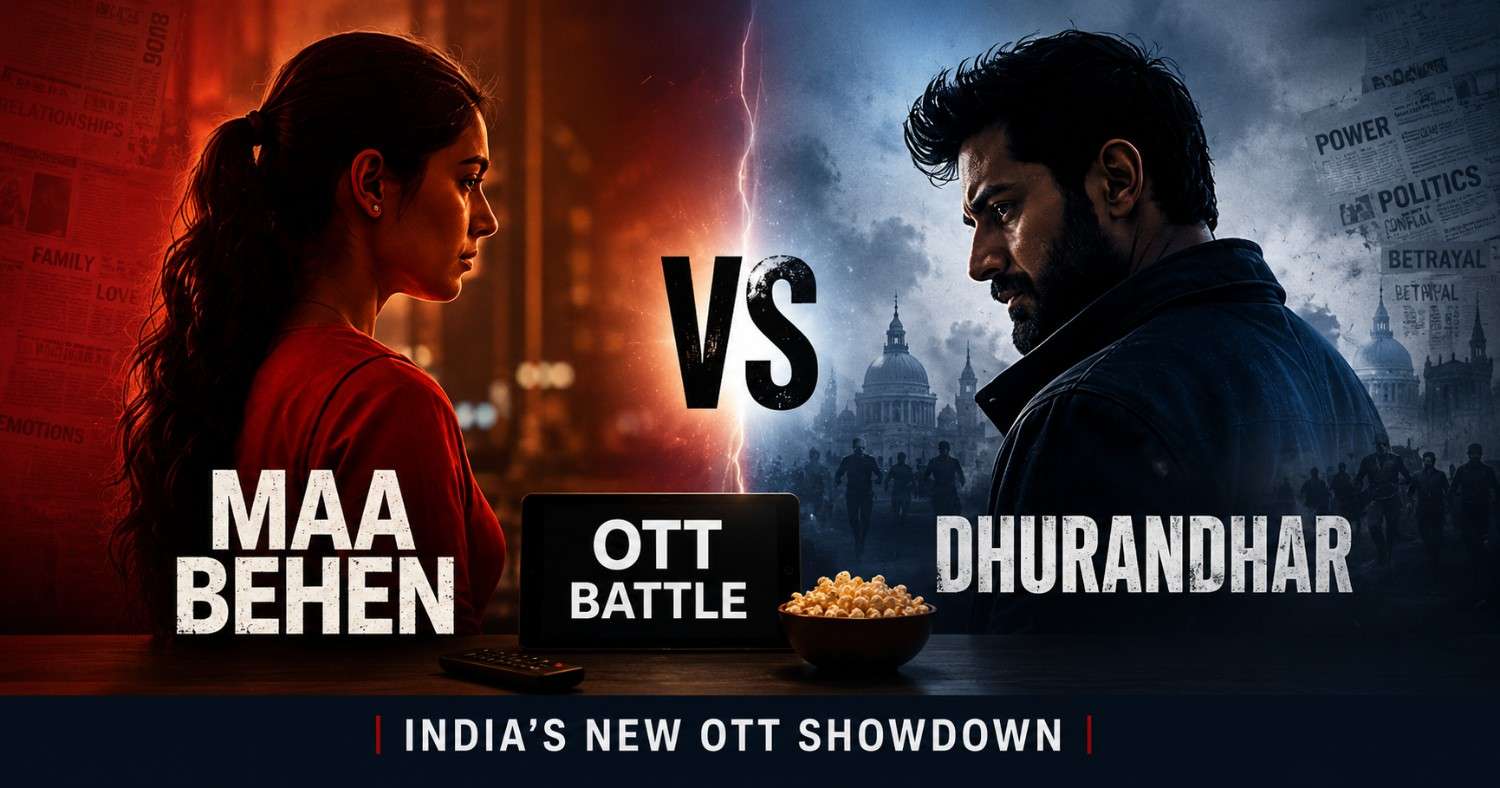
India’s streaming industry is witnessing another major content face-off as Maa Behen and Dhurandhar emerge as two of the most talked-about OTT releases competing for audience attention this season. The growing rivalry between large-scale streaming originals is once again highlighting how India’s entertainment ecosystem is rapidly evolving into a highly competitive digital-first market where content, timing, audience engagement, and platform strategy matter more than ever.
The simultaneous buzz around both titles reflects a wider shift in viewer behavior across India. Audiences are no longer consuming OTT content casually. Streaming releases are now treated almost like theatrical events, generating social media debates, fan wars, online reviews, meme culture, and influencer-driven discussions within hours of launch announcements. In many ways, the OTT space is beginning to mirror the intensity once reserved primarily for big-screen Bollywood clashes.
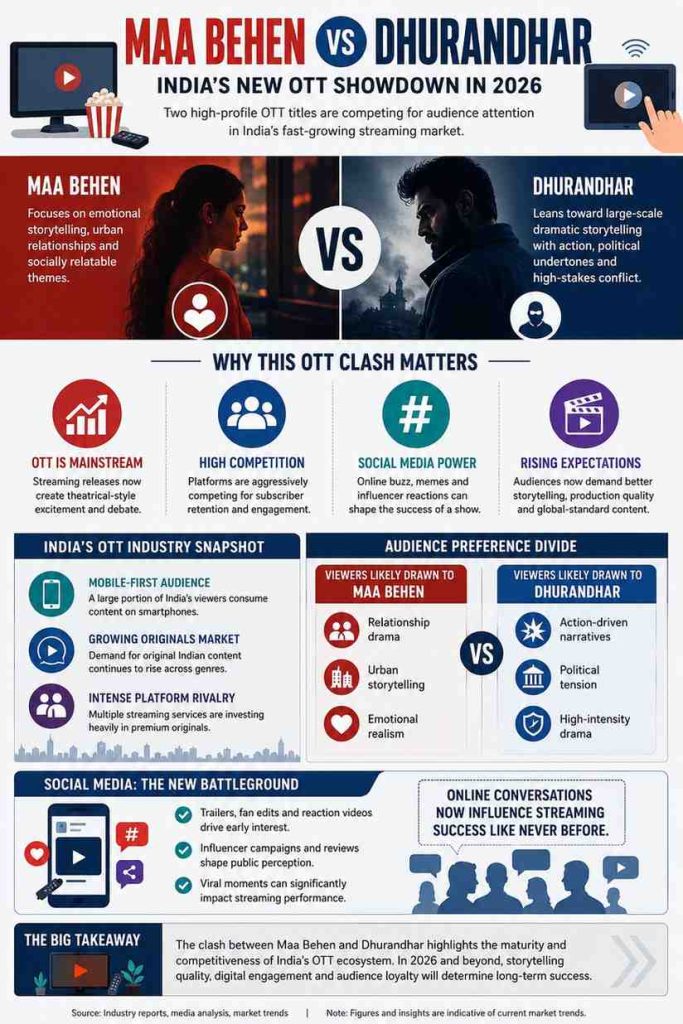
Maa Behen has generated attention largely due to its emotionally layered storytelling approach mixed with dark humor and urban relationship dynamics. Early promotional campaigns suggest that the series is attempting to target younger metro audiences who increasingly prefer sharp writing, grounded conflicts, and socially relatable characters over formula-driven entertainment. The makers appear to be positioning the project as a conversation-driven drama capable of creating strong online engagement.
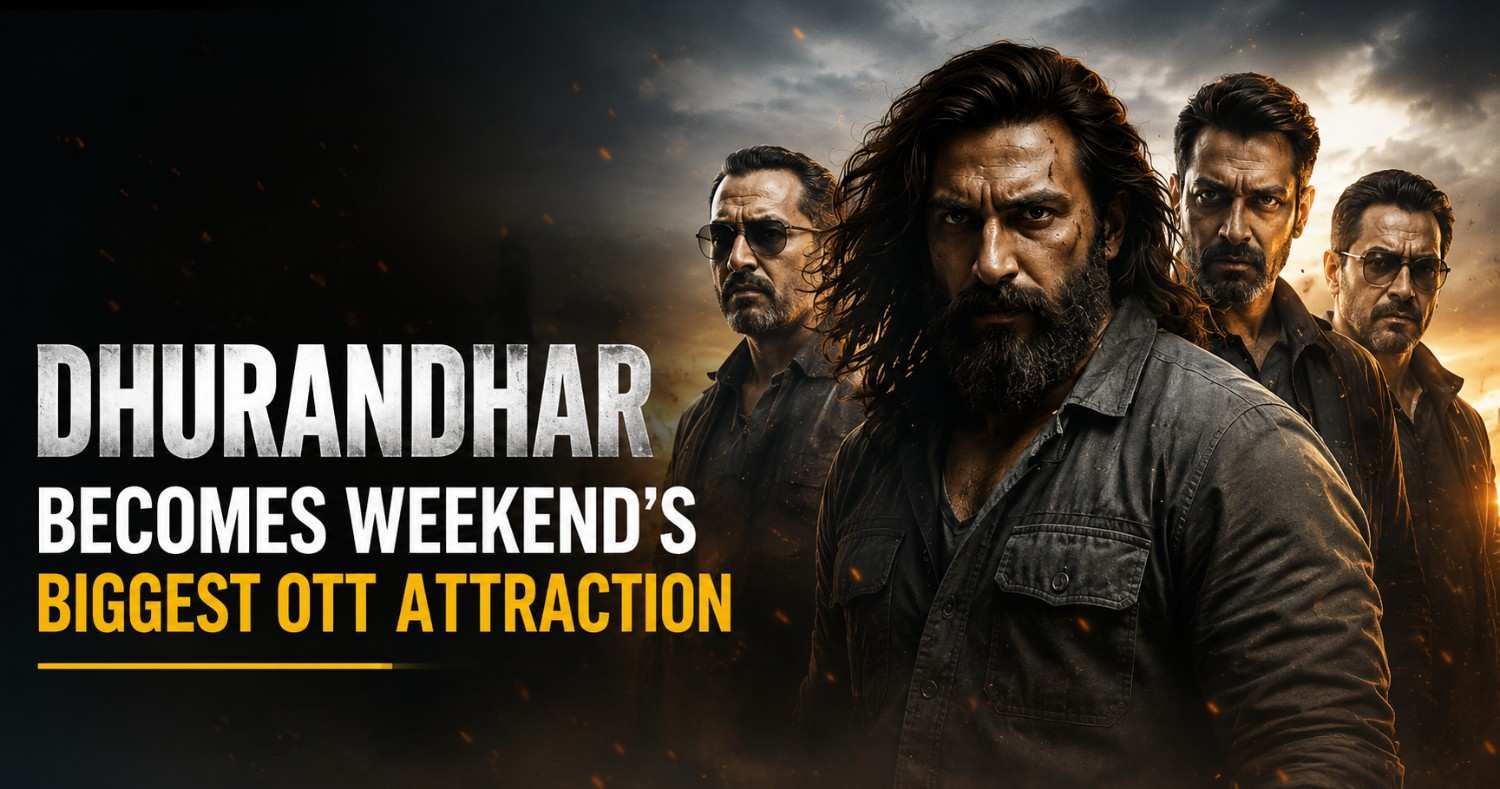
On the other hand, Dhurandhar is entering the OTT battlefield with a more intense and commercially aggressive identity. Industry observers believe the series is designed to appeal to audiences seeking action-heavy storytelling, political undertones, power struggles, and large-scale dramatic tension. The contrasting tone between the two productions has naturally intensified comparisons across social media platforms, with viewers already debating which title may dominate streaming charts.
The competition arrives at a time when India’s OTT industry is going through a critical transition phase. Over the past few years, streaming platforms aggressively invested in content expansion, celebrity-led originals, multilingual storytelling, and regional market penetration. However, the market has now matured significantly. Platforms are increasingly under pressure to deliver not just viewership numbers, but long-term subscriber retention and meaningful audience engagement.
This changing environment has transformed how projects are marketed. Earlier, OTT promotions focused heavily on celebrity appearances and trailer launches. Today, streaming campaigns rely equally on digital virality, influencer ecosystems, meme culture, fan communities, and algorithm-driven visibility. The battle between Maa Behen and Dhurandhar reflects this broader transformation where online conversations often become as important as the content itself.
Entertainment analysts note that streaming platforms are now carefully scheduling releases to avoid audience fragmentation. Yet, in some cases, strategic overlap is intentional. Releasing competing projects within a similar timeframe can create heightened online discussion and push both titles into trending categories. Such tactics mirror long-standing film industry practices where theatrical clashes often generate additional publicity.
The rise of streaming wars in India is also connected to changing consumer habits following the pandemic-era OTT boom. During lockdown periods, millions of viewers became regular digital content consumers, accelerating subscription growth for multiple platforms. While theatrical cinema has recovered to a large extent, OTT platforms remain deeply embedded in audience lifestyles, especially among urban youth and mobile-first viewers.
Another major factor shaping these rivalries is the expansion of regional and hybrid storytelling. Indian audiences today are far more open to genre experimentation and language diversity than they were a decade ago. Viewers routinely consume Hindi, Telugu, Tamil, Malayalam, Korean, and international content on the same platforms. This has increased competition dramatically, forcing creators to deliver sharper narratives and stronger production quality.
Industry experts also point out that audience expectations have evolved rapidly. Viewers now compare Indian streaming content not only with domestic productions but also with global originals from major international platforms. This has raised standards around writing, cinematography, pacing, visual design, and performance quality. As a result, OTT releases are increasingly being evaluated through a highly critical and socially vocal digital audience.
The rivalry between Maa Behen and Dhurandhar is additionally drawing attention because of how differently both projects appear to position themselves emotionally. While one leans toward layered interpersonal storytelling and social realism, the other seems to embrace scale, confrontation, and adrenaline-driven drama. This contrast may ultimately help both productions attract distinct audience segments rather than directly cannibalizing viewership.
Social media platforms including Instagram, YouTube Shorts, and X have already become central battlegrounds in shaping public perception around the two titles. Fan edits, teaser breakdowns, reaction videos, and speculative discussions are contributing significantly to audience curiosity. In today’s digital entertainment environment, online momentum often begins influencing streaming decisions before a show even premieres.
Marketing budgets for major OTT originals have also expanded significantly in recent years. Industry insiders suggest that streaming platforms increasingly allocate large promotional spends toward influencer partnerships, digital campaigns, targeted advertising, and interactive audience engagement strategies. This reflects a broader understanding that discoverability has become one of the biggest challenges in an overcrowded streaming ecosystem.
The competition between high-profile streaming projects is not limited to India alone. Globally, streaming services are investing aggressively in retaining user attention amid rising subscription fatigue and content overload. Indian platforms and studios are now adapting similar strategies by building event-style excitement around premium releases.
At the same time, the rise of OTT clashes also raises larger questions about sustainability within the streaming business. While platforms continue producing expensive originals, profitability remains a growing concern across the industry. Several companies are now prioritizing content efficiency, stronger audience targeting, and franchise-building strategies instead of relying purely on volume-based expansion.
For creators, this environment presents both opportunities and pressure. Successful streaming titles today can rapidly elevate actors, directors, and writers into national recognition. However, the speed of audience reactions and digital criticism also means that poorly received projects face immediate scrutiny online. Viewer patience for weak storytelling has declined considerably.
Another notable shift is the increasing role of women and younger audiences in determining streaming trends. Female-led dramas, unconventional narratives, and socially relevant themes are finding stronger traction than before. If Maa Behen successfully captures this demographic, it could further reinforce the market demand for relationship-driven storytelling with modern cultural relevance.
Meanwhile, Dhurandhar could benefit from audiences seeking larger-than-life tension and dramatic intensity, particularly among viewers who prefer high-stakes entertainment formats. This reflects how Indian OTT consumption is becoming increasingly segmented, with platforms attempting to satisfy multiple audience moods simultaneously.
Streaming competition is also influencing broader entertainment industry economics. Successful OTT projects now contribute to merchandise opportunities, music streaming, digital licensing, and long-term franchise development. What begins as a streaming release can quickly evolve into a larger intellectual property ecosystem if audience response remains strong.
As the release cycle unfolds, both Maa Behen and Dhurandhar are expected to become important indicators of what Indian audiences currently prioritize in digital entertainment. Whether emotionally grounded storytelling or large-scale dramatic spectacle gains stronger traction could offer valuable insight into evolving consumer preferences across the country’s rapidly expanding streaming market.
What remains clear is that India’s OTT sector is no longer operating in the shadow of traditional cinema. Streaming originals are now commanding mainstream attention, shaping pop culture conversations, and influencing entertainment business strategies at a national scale. The clash between Maa Behen and Dhurandhar is ultimately bigger than a rivalry between two titles — it reflects the growing maturity, ambition, and competitiveness of India’s digital entertainment industry itself.
Highlights
Maa Behen and Dhurandhar are emerging as two major competing OTT releases generating strong online buzz.
The rivalry reflects India’s rapidly evolving streaming industry where digital releases now create theatrical-style audience excitement.
Maa Behen appears focused on emotional storytelling and urban relationship dynamics, while Dhurandhar leans toward large-scale dramatic intensity.
Social media engagement, meme culture, and influencer-driven discussions are playing a major role in shaping audience interest.
India’s OTT platforms are increasingly competing for subscriber retention amid rising content saturation and changing viewer habits.
The streaming clash highlights how audience expectations around storytelling quality and production standards continue to rise.
Industry observers view the competition as another sign of OTT becoming a dominant force in India’s entertainment ecosystem.
FAQ
What is the rivalry between Maa Behen and Dhurandhar about?
The discussion centers around two upcoming or trending OTT titles competing for audience attention in India’s increasingly crowded streaming market.
Why is this OTT clash receiving attention?
The rivalry reflects the growing importance of streaming originals in India, where digital releases now generate social media buzz similar to theatrical film clashes.
What type of content does Maa Behen focus on?
Based on promotional positioning, the title appears to emphasize emotional storytelling, interpersonal relationships, and socially relatable themes.
What makes Dhurandhar different?
Dhurandhar is being viewed as a more intense and commercially driven project with action, drama, and high-stakes conflict elements.
How important is social media in OTT success today?
Social platforms now play a major role in shaping audience perception through trailers, fan edits, memes, influencer reactions, and online discussions.
Why are OTT platforms competing more aggressively now?
India’s streaming market has matured significantly, and platforms are now focusing heavily on subscriber retention, audience engagement, and premium original content.
How has viewer behavior changed in recent years?
Audiences have become more selective and quality-conscious, often comparing Indian streaming content with international productions.
Are OTT clashes replacing traditional Bollywood box-office rivalries?
Not entirely, but OTT competition is increasingly creating the same level of anticipation, fandom, and online debate once associated mainly with theatrical releases.
What broader trend does this rivalry represent?
The competition highlights the rapid expansion and commercialization of India’s digital entertainment ecosystem.
Why does this matter for the entertainment industry?
Strong OTT performance can influence future investments, creator opportunities, franchise development, and long-term platform strategies.
Edited By E. Devanshi varma
Also Read: IPL Honey-Trap Row Sparks 7 Big Questions Before Playoffs
Follow us on Google News: Click Here