


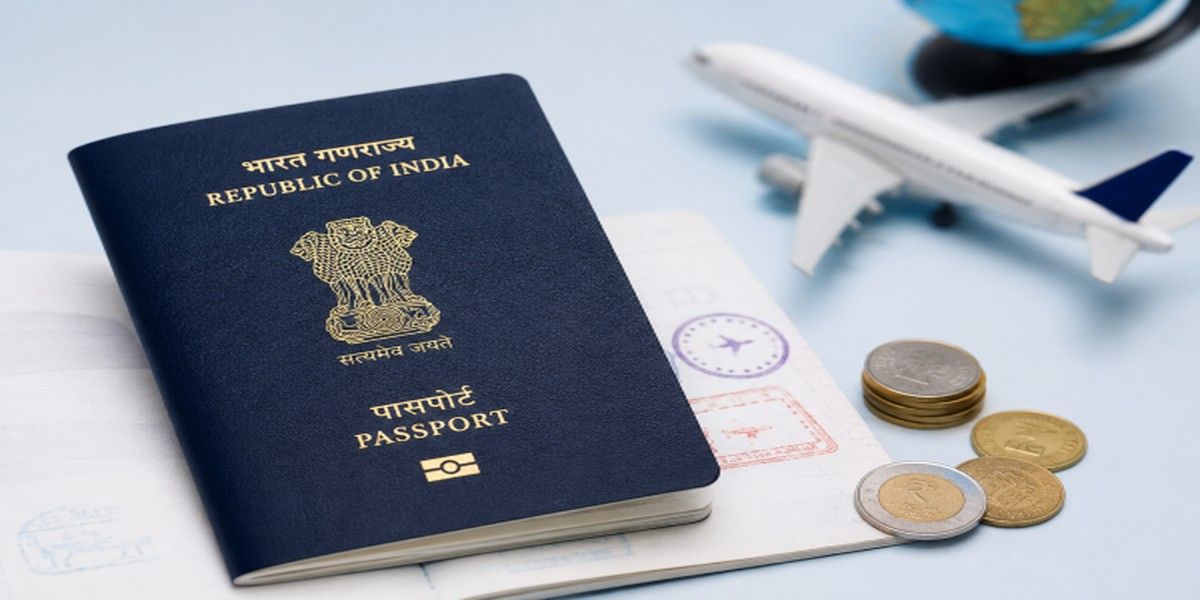
Revised passport charges take effect from July 1 as industry observers weigh the benefits of biometric upgrades against higher costs for travellers.
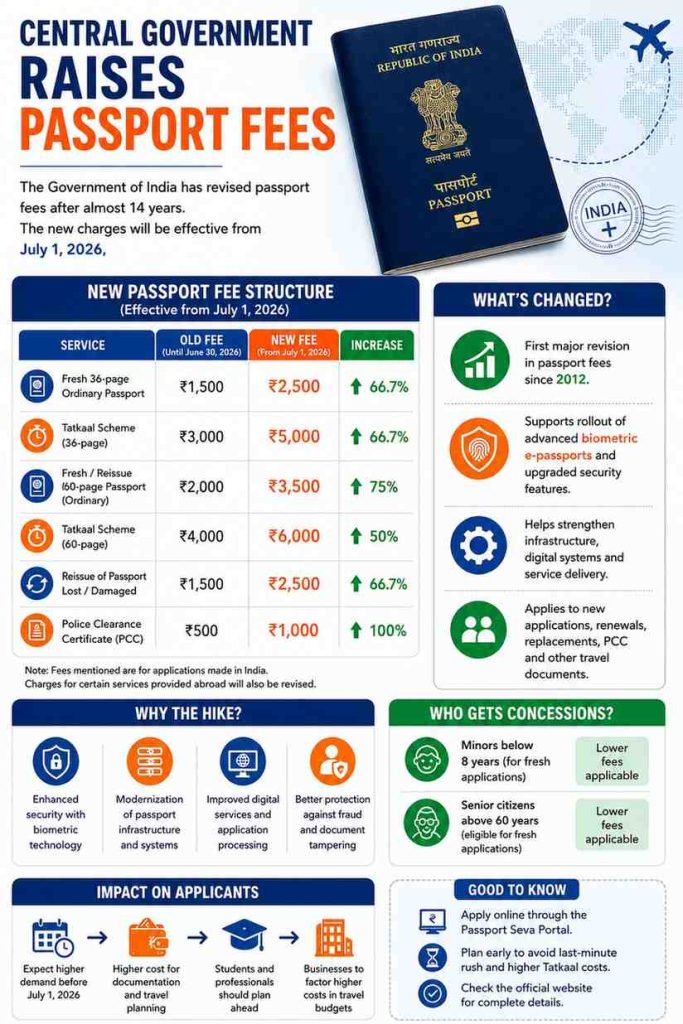
For the first time in nearly 14 years, the Government of India has revised passport fees, increasing charges across multiple passport services including fresh applications, renewals, replacements, police clearance certificates and Tatkaal applications. The revised rates, announced by the Ministry of External Affairs (MEA), will come into effect from July 1, 2026.
While the government positions the move as part of the rollout of advanced biometric e-passports and modernized passport infrastructure, the announcement has triggered wider conversations about affordability, accessibility and India’s evolving digital identity ecosystem.
For millions of Indians planning overseas education, employment, business travel or tourism, the revised fee structure represents more than a price increase—it reflects the next phase of India’s passport modernization programme.
The discussion gained momentum after LinkedIn News highlighted the government’s decision to revise passport charges for the first time since 2012.
Under the new fee structure, a fresh 36-page ordinary passport will cost ₹2,500, compared to the previous ₹1,500. Applications under the Tatkaal scheme will now cost ₹5,000, while fees for several other passport-related services have also been revised.
According to the Ministry of External Affairs, the changes apply both to applicants within India and certain passport services offered overseas.
The revised pricing comes as India continues expanding digital public infrastructure across government services, with biometric e-passports expected to strengthen security, improve authentication and reduce document fraud.
Industry Reactions
The announcement has generated varied reactions across the travel ecosystem, with stakeholders acknowledging both the necessity of infrastructure upgrades and the financial implications for applicants.
Travel industry platform Quests.Travel described the revision as a practical budgeting issue for travel businesses, corporate travel managers and outbound operators. The platform noted that higher application costs will be most visible in passport renewals, replacements and expedited Tatkaal processing, encouraging organizations to factor revised document expenses into travel planning.
Meanwhile, The New Indian Express drew attention to the broader policy implications surrounding the announcement. The publication highlighted that passport fees are increasing by as much as 75% after nearly 14 years and linked the revision to the government’s transition toward advanced biometric e-passports. It also noted ongoing public discussions around passport ownership, citizenship and regional disparities in passport penetration across Indian states.
Travel companies are also focusing on consumer preparedness. Anex Tour India characterized the development as an important travel update, encouraging Indian travellers to remain informed about revised passport costs while planning international trips.
Public policy platform The Logical Indian framed the issue from a citizen-centric perspective, observing that a passport today represents much more than permission to travel.
The publication noted that passports increasingly determine access to overseas employment, higher education, migration opportunities and emergency mobility. As application fees rise, it argued, an equally important public conversation is whether improvements in service quality, processing speed and accessibility will accompany the higher charges.
What This Means for the Industry
The revised passport fees are expected to have implications across several sectors.
Travel and Tourism
Travel agencies may witness an increase in passport applications before the revised fees become effective. Tour operators are also likely to encourage customers to renew passports earlier to avoid higher processing costs.
Overseas Education
For students preparing for international admissions, passport expenses form one of the earliest administrative costs. Educational consultants may now advise applicants to complete documentation sooner, particularly where passport validity influences admission timelines.
Corporate Mobility
Businesses managing international assignments will also need to account for higher documentation costs within relocation and travel budgets, particularly for employees requiring expedited passport services.
Government Digital Services
Perhaps the most significant implication lies in India’s continuing investment in digital governance.
The rollout of biometric e-passports represents another step toward strengthening identity verification, improving border security and aligning India’s travel documentation with evolving international standards.
While the fee increase supports these infrastructure investments, maintaining affordability will remain important to ensure wider access to passport services.
Future Outlook
India’s passport ecosystem is expected to continue evolving alongside broader digital public infrastructure initiatives.
Biometric authentication, secure digital identity technologies and streamlined online passport services are likely to improve operational efficiency while strengthening document security.
At the same time, policymakers will face growing expectations to balance modernization with accessibility, particularly for first-time applicants, students and lower-income households.
As outbound travel continues to grow and India’s global workforce expands, passport services will remain a critical component of the country’s mobility infrastructure.
Key Takeaways
- Passport fees have been revised for the first time in nearly 14 years.
- The new fee structure takes effect from July 1, 2026.
- Fresh 36-page passports will cost ₹2,500, while Tatkaal applications will cost ₹5,000.
- The revision supports India’s transition toward biometric e-passports.
- Travel, education and corporate mobility sectors are expected to adjust planning and budgeting.
- Industry observers emphasize that improved service quality should accompany higher application costs.
The government’s decision to revise passport fees marks an important milestone in India’s passport modernization journey.
Although applicants will now face higher documentation costs, the revised structure also reflects ongoing investment in secure digital identity systems and next-generation travel documents.
The broader success of the policy, however, will depend not only on technological upgrades but also on whether citizens experience faster processing, better service delivery and greater accessibility in return for the higher fees.