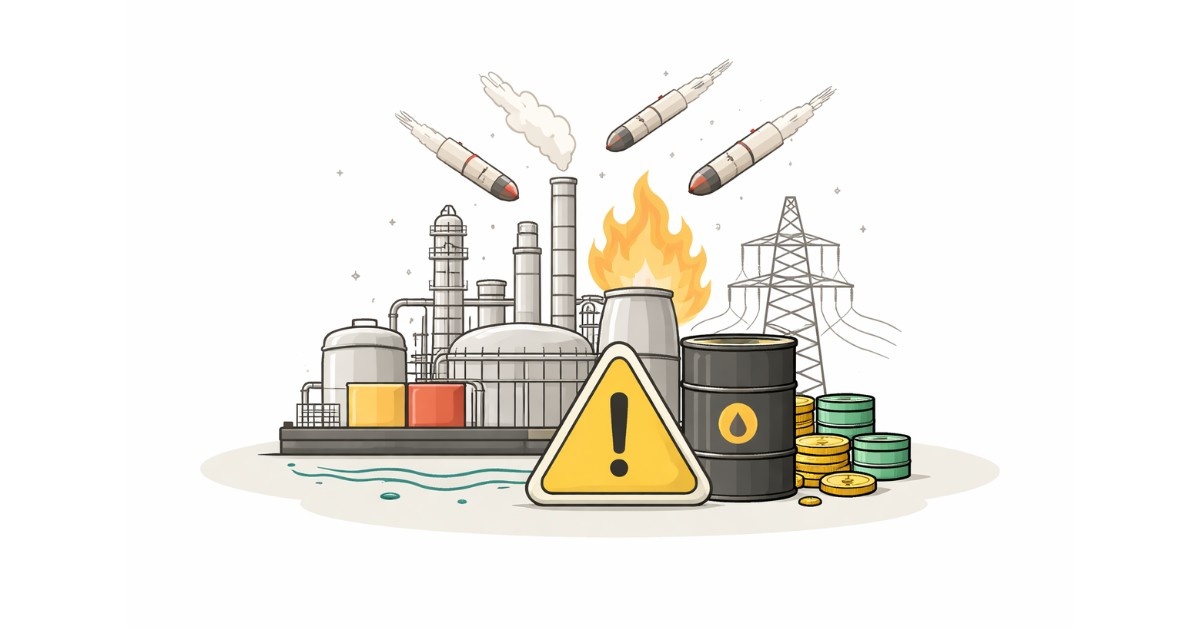


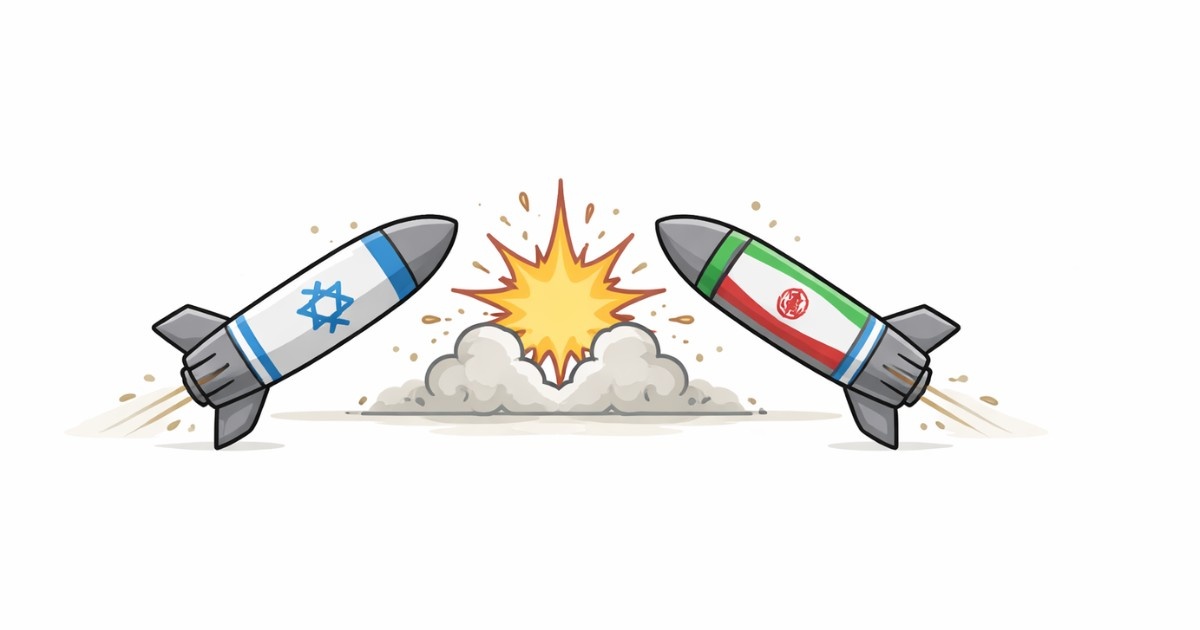
The conflict between Israel and Iran has intensified in recent weeks following a series of military strikes, retaliatory missile attacks, and widening regional involvement. The confrontation, rooted in years of geopolitical rivalry and security disputes, has expanded beyond isolated incidents and is now affecting multiple countries across the Middle East.
Recent developments have included coordinated strikes on Iranian military infrastructure and subsequent retaliatory missile and drone attacks targeting Israeli territory and regional locations linked to allied forces. Analysts say the escalation reflects one of the most serious phases of tensions between the two countries in recent decades.
The situation has drawn international attention due to its potential impact on regional stability, global energy markets, and diplomatic relations among major powers.
Israeli and Allied Strikes Target Iranian Infrastructure
The latest phase of hostilities intensified after coordinated strikes by Israeli forces, reportedly carried out with support from allied military partners, targeted sites inside Iran. The operation focused on military installations and infrastructure that Israeli officials described as security threats.
The offensive began on February 28, 2026, when Israeli forces launched missile and air strikes against targets in Iran as part of a coordinated military campaign. Explosions were reported in several Iranian cities, including areas near government facilities and military sites.
Officials in Israel stated that the strikes were aimed at weakening Iran’s military capabilities and preventing potential threats linked to missile systems and strategic infrastructure.
Iran has historically rejected allegations that its military programs pose a direct threat to Israel, and the country has repeatedly criticized Israeli military operations in the region.
Iranian Retaliation Through Missile and Drone Attacks
Following the strikes, Iran launched multiple waves of retaliatory missile and drone attacks targeting Israeli cities and strategic locations. Several projectiles were intercepted by Israel’s missile defense systems, though some strikes reportedly caused casualties and damage in residential areas.
Reports indicate that Iranian missiles hit locations across Israel, resulting in casualties and injuries while prompting emergency response operations and civilian shelter alerts.
In the early days of the escalation, analysts recorded dozens of attempted missile strikes directed toward Israeli territory. Some of these attacks impacted densely populated urban areas, including regions near Tel Aviv and Jerusalem.
Israel’s air defense network, including advanced interception systems, reportedly prevented many incoming missiles from reaching their intended targets, though the attacks nonetheless heightened security concerns across the country.
Regional Spillover Across the Gulf
The conflict has also expanded beyond Israel and Iran, affecting several Gulf countries. Iran launched missile and drone attacks targeting locations in the United Arab Emirates following the initial strikes.
According to official statements cited by regional authorities, hundreds of drones, cruise missiles, and ballistic missiles were launched toward targets in the UAE, resulting in casualties and damage to infrastructure.
Falling debris from intercepted missiles reportedly caused damage in areas of Dubai, including locations near well-known landmarks. Emergency services responded to multiple incidents linked to the attacks.
The widening geographic scope of the conflict has increased concerns about the potential for broader regional involvement, particularly as several Middle Eastern countries host military bases or strategic facilities linked to international partners.
Strategic Importance of the Strait of Hormuz
The escalation has also drawn attention to the security of the Strait of Hormuz, one of the world’s most critical energy shipping routes.
Approximately one-fifth of global oil supply passes through the narrow waterway, making any disruption a significant concern for global energy markets and shipping industries.
In response to heightened tensions, maritime insurers reportedly raised shipping insurance rates for vessels traveling through the region, reflecting increased risks to commercial shipping.
International shipping companies and governments have issued advisories urging caution for vessels operating in or near the strait.
Global Economic and Political Implications
The escalation has had ripple effects across financial markets and diplomatic arenas worldwide. Rising tensions in the Middle East have historically been associated with fluctuations in oil prices and increased volatility in global financial markets.
Recent reports indicate that concerns about the conflict have affected investor sentiment in several countries, including India, where market fluctuations have been linked to uncertainty surrounding energy supply and geopolitical stability.
Energy analysts note that disruptions or perceived risks to oil supply chains can have immediate impacts on global commodity prices, transportation costs, and national energy policies.
At the diplomatic level, international organizations and world leaders have called for restraint and renewed dialogue to prevent further escalation.
Historical Context of the Israel–Iran Rivalry
The tensions between Israel and Iran have developed over decades, shaped by political, military, and ideological differences. Israel has frequently expressed concerns about Iran’s nuclear program and missile capabilities, while Iran has criticized Israeli policies and supported groups opposing Israeli influence in the region.
The rivalry has often played out through proxy conflicts, cyber operations, and targeted strikes rather than direct large-scale warfare.
Over the past several years, however, incidents involving missile strikes, drone attacks, and military operations have increased, contributing to a cycle of escalation that analysts say has made the relationship more volatile.
International Calls for De-Escalation
Diplomatic efforts are underway among global powers and international organizations to prevent further escalation of the conflict. Governments and regional alliances have urged both sides to exercise restraint and pursue diplomatic channels.
Security analysts warn that continued escalation could risk drawing additional countries into the conflict, particularly if attacks expand to regional military bases or major economic infrastructure.
At the same time, humanitarian organizations have emphasized the need to protect civilian populations and critical infrastructure in areas affected by the fighting.
Uncertain Outlook for the Region
Despite calls for de-escalation, the situation remains fluid. Military activity continues in several areas, and governments across the Middle East have increased security measures in response to the evolving conflict.
Observers say the coming weeks will likely determine whether diplomatic efforts succeed in reducing tensions or whether the confrontation continues to intensify.
For now, the escalating confrontation between Israel and Iran remains a major geopolitical development with implications that extend well beyond the Middle East.
Also Read: 7 Major Impacts: Drone Attacks Trigger Flight Disruptions and Security Concerns in Dubai
Follow us on Google News: Click Here