

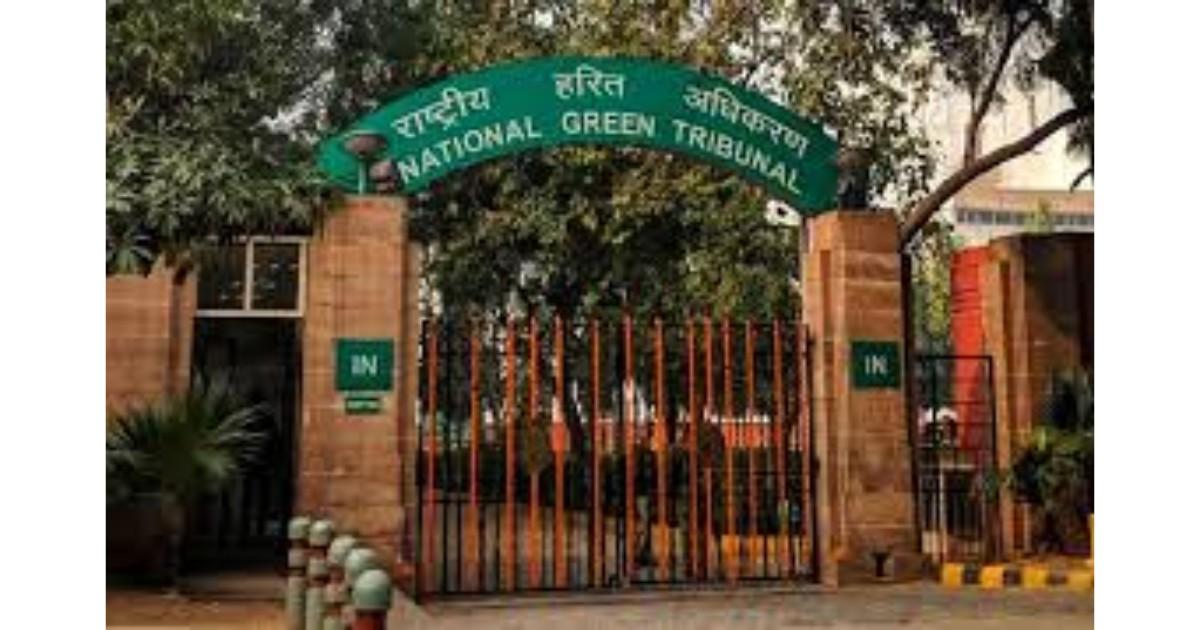
In a significant decision affecting Delhi’s urban waste management, the Principal Bench of the National Green Tribunal (NGT) has dismissed a petition challenging the construction of a Fixed Compacting Transfer Station (FCTS) in West Delhi’s Basai Dara Pur area. The ruling, delivered on April 28, clears the way for the project to proceed, with the tribunal finding no substantial evidence of environmental norm violations in the site selection process.
The bench, headed by Justice Prakash Shrivastava and expert member Dr. Afroz Ahmed, emphasized the critical role such facilities play in managing solid waste in densely populated cities like Delhi.
Key Highlights of the Decision
- NGT dismissed the plea filed by Pravidhan Raksha Foundation against the FCTS project
- Found no concrete violation of site-selection norms set by the Central Pollution Control Board (CPCB)
- Noted that approximately 80% of the construction work has already been completed
- Highlighted the necessity of transfer stations for efficient waste handling in metropolitan areas
- Directed strict adherence to CPCB’s environmental safety guidelines during operation
- Assigned monitoring responsibility to the Delhi Pollution Control Committee (DPCC)
Petition and Concerns Raised
The case was brought before the tribunal by Pravidhan Raksha Foundation, a civil society group, which raised concerns about the environmental and public health implications of the proposed facility. The petitioner argued that the FCTS, planned near Gudh Dhariala Mohalla in Punjabi Bagh (West), violates CPCB’s standard operating procedures (SOPs) for siting such infrastructure.
According to the plea, the location is surrounded by residential neighborhoods and lies in close proximity to schools and religious establishments. The foundation contended that establishing a waste transfer station in such a densely populated zone could lead to increased pollution, foul odors, and potential health hazards for residents.
The petition also questioned whether due diligence had been followed in evaluating alternative sites that might pose fewer risks to the local population.
Tribunal’s Observations
After reviewing the submissions and available records, the NGT concluded that the claims made by the petitioner were not supported by sufficient evidence. The bench stated that there was no clear indication that CPCB’s prescribed site-selection norms had been violated.
Importantly, the tribunal underlined the broader context of urban waste management challenges in Delhi. With a population exceeding 20 million, the city generates thousands of tonnes of municipal solid waste daily. Facilities like FCTS units are designed to streamline the collection, compaction, and transportation of waste, thereby reducing the burden on landfill sites and improving operational efficiency.
The bench observed that halting the project at its current stage—when around 80% of construction is already complete—would disrupt the waste management chain and potentially create logistical setbacks for municipal authorities.
What is a Fixed Compacting Transfer Station (FCTS)?
A Fixed Compacting Transfer Station is a critical component of modern waste management systems. It acts as an intermediate facility where waste collected from various parts of the city is temporarily stored, compacted, and then transported in bulk to processing or disposal sites.
By compressing waste, these stations reduce the volume of garbage, enabling fewer trips to landfills and lowering transportation costs and emissions. They are particularly useful in large cities where direct transportation from collection points to distant landfills is inefficient.
However, their placement within urban areas often raises concerns due to potential environmental and social impacts, making adherence to regulatory norms essential.
Directions for Compliance and Monitoring
While allowing the project to proceed, the NGT made it clear that operational compliance with environmental norms is non-negotiable. The tribunal directed that the FCTS must function strictly in accordance with CPCB’s SOPs.
To ensure this, the Delhi Pollution Control Committee has been tasked with ongoing monitoring of the facility. The DPCC is expected to verify that emissions, waste handling practices, and sanitation standards meet prescribed guidelines, thereby minimizing any adverse impact on nearby residents.
This directive reflects a balancing approach—permitting necessary infrastructure while reinforcing regulatory oversight.
Additional Concern Over Existing Dumping Yard
In a related development, the tribunal also addressed concerns about an existing dumping yard (locally referred to as a “dhalaav”) in the same area. The bench noted deficiencies in its management and acknowledged the petitioner’s concerns regarding sanitation and pollution.
Rather than issuing direct orders, the tribunal allowed the petitioner to submit a formal representation, backed by evidence, to the Municipal Commissioner. This approach places responsibility on local authorities to examine the issue and take corrective action.
The NGT instructed that once such a representation is submitted, the concerned authority must act promptly. This includes ensuring immediate cleaning of the site and implementing proper waste management practices to mitigate environmental and health risks.
Context: Delhi’s Ongoing Waste Management Challenge
Delhi’s waste management system has long been under pressure due to rapid urbanization, population growth, and limited landfill capacity. Existing landfill sites such as Ghazipur, Bhalswa, and Okhla have frequently been flagged for exceeding their capacity, leading to environmental hazards including fires, toxic emissions, and groundwater contamination.
In recent years, authorities have focused on decentralizing waste management and improving infrastructure such as transfer stations, waste-to-energy plants, and recycling units. The introduction of FCTS facilities is part of this broader strategy to create a more efficient and sustainable system.
However, such projects often face resistance from local communities concerned about environmental degradation and quality of life. This case reflects the ongoing tension between infrastructure development and community concerns.
Public Impact: What This Means for Residents
For residents of Basai Dara Pur and nearby areas, the tribunal’s decision means that the FCTS project will move forward as planned. While this may raise concerns among those living close to the site, the NGT’s directive for strict compliance and monitoring aims to address potential risks.
If implemented properly, the facility could improve waste collection efficiency in the region, potentially reducing instances of garbage accumulation on streets and unauthorized dumping.
At the same time, the effectiveness of the DPCC’s monitoring and enforcement will be crucial in ensuring that the station does not become a source of pollution or nuisance.
For the wider city, the decision reinforces the importance of strengthening waste management infrastructure to cope with growing demands.
Looking Ahead
The ruling highlights the judiciary’s approach to balancing environmental concerns with infrastructural needs. By dismissing the plea while imposing strict compliance conditions, the NGT has signaled that urban development projects will be assessed not just on potential risks but also on their necessity and adherence to regulatory frameworks.
The next phase will involve operationalizing the FCTS under close supervision. Authorities will need to ensure transparency, regular inspections, and swift action in case of any violations.
Simultaneously, the issue of the poorly managed dumping yard remains open, with local authorities expected to respond to any formal complaints backed by evidence.
As Delhi continues to grapple with its waste crisis, decisions like this underscore the complexity of building infrastructure in densely populated urban environments—where the need for development must be carefully balanced with environmental safeguards and community well-being.
Inputs and images : Hindusthan Samachar
Edited By E. Devanshi varma
Also Read: Prime Minister Modi Highlights 5 Facets of Sikkim’s Biodiversity After Orchidarium Visit in Gangtok
Follow us on Google News: Click Here