

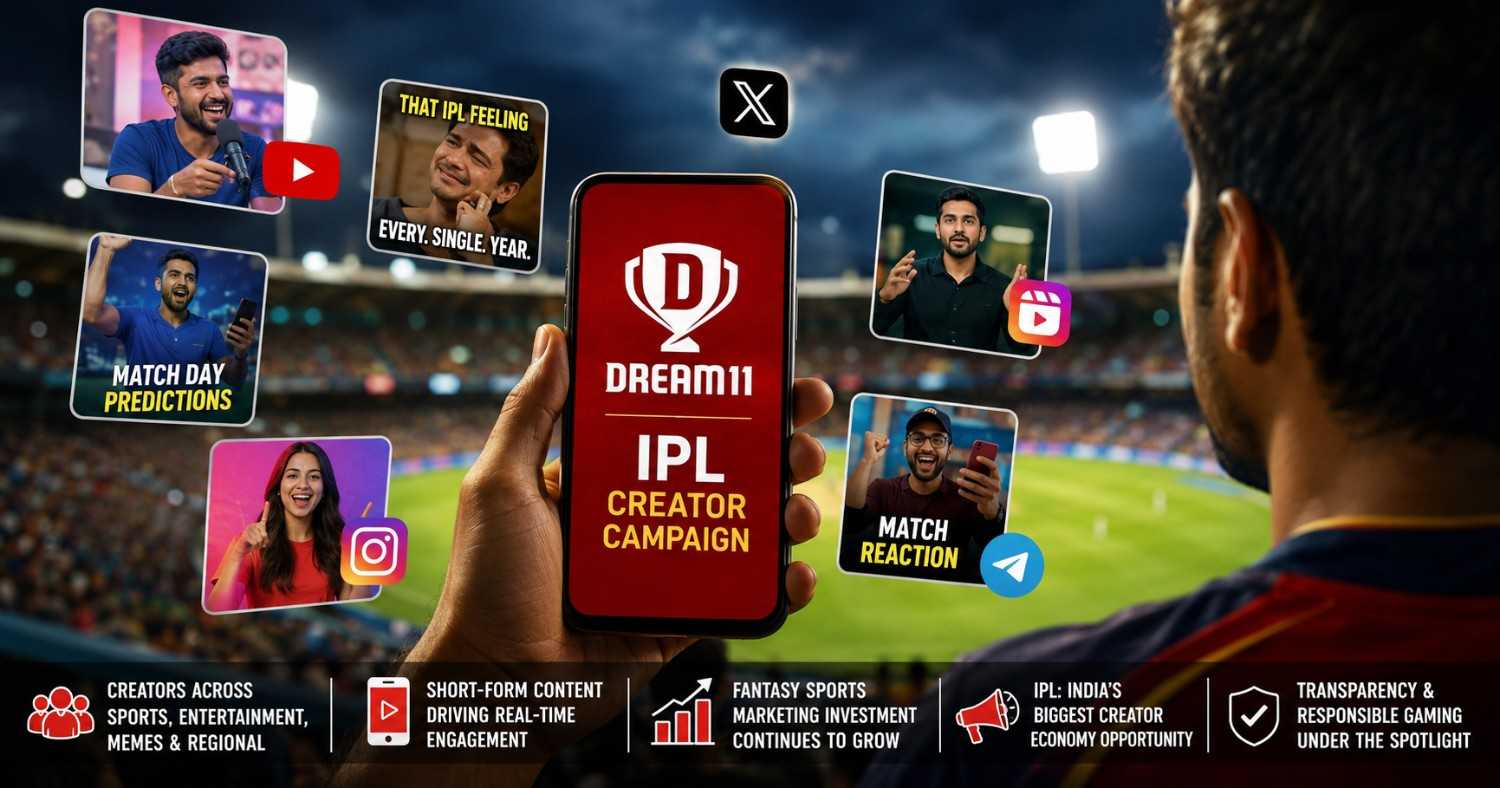
The Indian Premier League has evolved far beyond a cricket tournament. It has become one of India’s largest digital entertainment ecosystems where sports, advertising, influencer culture, streaming platforms, and consumer technology increasingly overlap. Amid this intense competition for audience attention, fantasy sports platform Dream11 has emerged as one of the most visible brands during the ongoing IPL season through a large-scale creator-driven marketing push that has sparked widespread industry discussion.
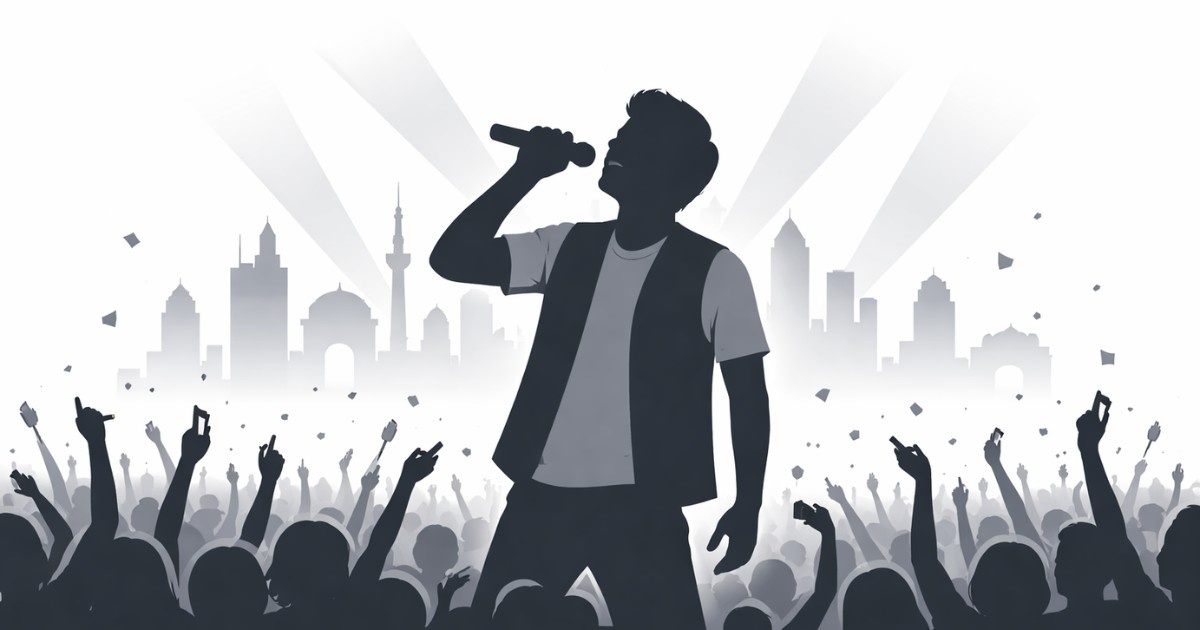
Over the past few weeks, social media feeds across platforms including Instagram, YouTube Shorts, and X have been flooded with IPL-related creator collaborations tied to Dream11 campaigns. From meme creators and cricket analysts to entertainment influencers and regional content personalities, the company’s marketing presence has become difficult for digital audiences to ignore.
The scale of the campaign has generated conversations not only among cricket fans and marketers, but also across India’s rapidly expanding creator economy. Industry observers say the campaign reflects a broader shift in how major consumer-tech brands are now approaching audience engagement during high-traffic cultural events.
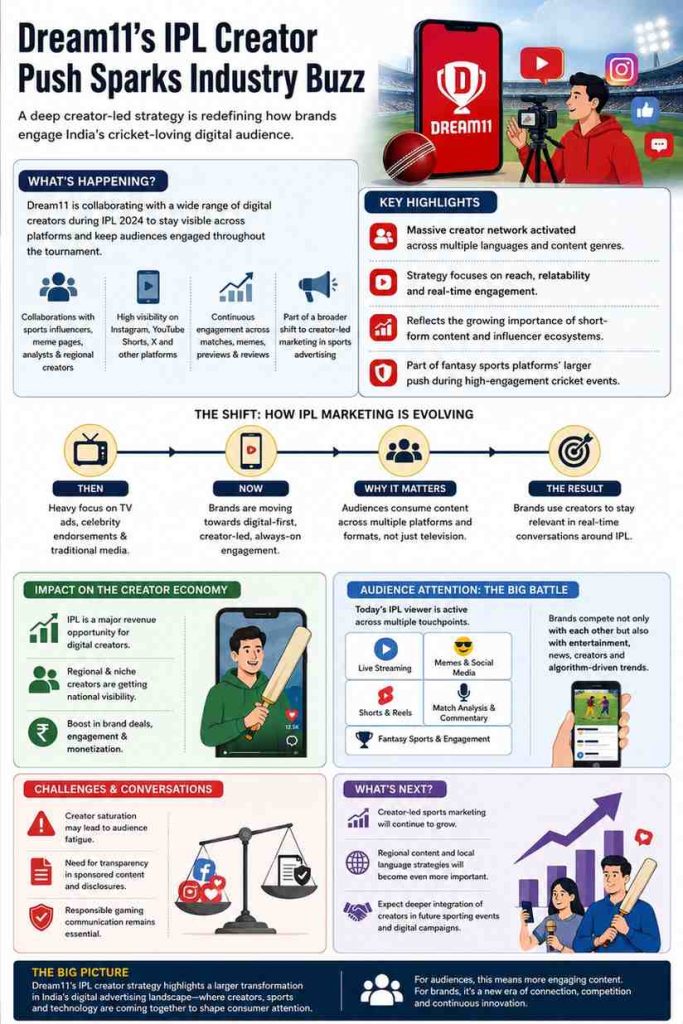
Unlike earlier IPL marketing cycles that relied heavily on television advertising and celebrity endorsements alone, brands are increasingly integrating creators into multi-platform campaigns aimed at driving conversation, relatability, and sustained user interaction throughout the tournament.
Creator-Led Campaigns Are Becoming Central to IPL Advertising
The IPL has traditionally been one of the most expensive advertising windows in Indian media. Major consumer brands routinely spend heavily on television spots, sponsorships, and digital promotions during the tournament. However, audience behavior has changed significantly over the past few years.
Short-form video consumption, meme culture, livestream reactions, and creator-led commentary now influence how younger audiences experience sporting events online. Marketing strategists say brands are responding by investing more aggressively in influencer ecosystems that can generate continuous engagement instead of relying solely on high-cost television visibility.
Dream11’s latest campaign appears to reflect that transition.
Instead of limiting its outreach to celebrity ambassadors, the company has reportedly collaborated with a broad mix of creators across genres and languages. This includes sports commentators, humor creators, cricket meme pages, regional influencers, gaming personalities, and digital entertainers targeting Gen Z and young millennial audiences.
The strategy has helped the platform remain consistently visible during match days, pre-match discussions, and post-match online conversations.
Industry analysts note that creator-driven advertising offers brands several advantages during events like the IPL. Content can be tailored to regional audiences, trends can be leveraged in real time, and campaigns can achieve organic-style engagement that traditional advertising often struggles to replicate.
Why the Campaign Is Generating Attention
Part of the buzz surrounding Dream11’s campaign comes from the sheer frequency and diversity of creator integrations being seen online. Digital marketing professionals have pointed out that the company appears to be focusing not just on reach, but also on saturation across audience segments.
In India’s fragmented digital ecosystem, audiences consume content in multiple languages and formats simultaneously. A cricket fan may watch live matches on streaming platforms, follow memes on Instagram, consume commentary on YouTube, and engage in fantasy sports discussions on Telegram or X. Brands attempting to dominate online attention during IPL increasingly need visibility across all these touchpoints.
Dream11’s approach appears designed around this behavioral pattern.
The campaign has also reignited discussions around the growing commercialization of influencer ecosystems during major sporting events. Some users have praised the strategy as highly effective digital marketing, while others have questioned whether audiences are experiencing “creator fatigue” due to the overwhelming volume of branded IPL content appearing online.
Marketing experts say this tension reflects a broader challenge within the influencer economy. As creator partnerships become mainstream, brands must balance visibility with authenticity. Excessive promotional repetition can sometimes reduce engagement quality, especially among younger users who are highly sensitive to overt advertising patterns.
Fantasy Sports Platforms Continue Expanding Marketing Spend
The fantasy sports sector in India has witnessed rapid growth over the past several years, driven by rising smartphone penetration, affordable internet access, and increased interest in live sports engagement.
Platforms such as Dream11 have heavily benefited from cricket’s popularity, particularly during marquee tournaments like the IPL, ICC events, and bilateral international series. The IPL remains especially significant because of its massive viewership and strong digital engagement across demographics.
Industry reports over recent years have indicated that fantasy gaming companies allocate substantial portions of their annual marketing budgets around cricket seasons. This includes television advertising, app-install campaigns, sponsorship deals, celebrity endorsements, and increasingly, influencer-led promotions.
The competition within the fantasy sports market has also intensified. Multiple platforms are vying for user acquisition and retention during major tournaments, making aggressive digital visibility an important strategic priority.
Analysts say creator partnerships offer fantasy gaming brands a relatively flexible marketing channel compared to traditional media buying. Creators can produce trend-based content quickly, regional campaigns can be scaled efficiently, and engagement metrics can often be tracked more dynamically.
At the same time, the sector continues to face regulatory scrutiny in some Indian states, where questions around online gaming frameworks, taxation, and advertising standards remain part of ongoing policy discussions.
This makes brand positioning particularly important. Companies operating in the fantasy gaming sector are increasingly attempting to present themselves not just as gaming platforms, but as sports-engagement ecosystems tied to fan participation and entertainment culture.
IPL Has Become a Creator Economy Goldmine
The Dream11 campaign also highlights how the IPL itself has transformed into one of India’s biggest economic engines for digital creators.
During the tournament season, influencer agencies, sports pages, meme creators, podcasters, and livestream hosts often experience spikes in collaboration opportunities and advertising revenue. Cricket content typically sees massive traffic surges, giving creators access to larger audiences and increased monetization potential.
Many regional creators who previously operated within niche communities are now being integrated into national campaigns by major brands seeking hyperlocal engagement.
This regionalization trend has become increasingly important for advertisers. India’s internet growth is being driven heavily by non-English audiences, particularly in Tier 2 and Tier 3 markets. Brands that can localize IPL conversations effectively often gain stronger engagement compared to campaigns built solely around metropolitan audiences.
Digital strategists say this is one reason why creator marketing budgets are expanding rapidly across sectors including fintech, gaming, food delivery, streaming, and e-commerce.
The IPL offers an especially powerful environment because it combines live-event excitement with high-frequency social media interaction. Every match generates memes, debates, predictions, controversies, and viral moments that brands can quickly integrate into marketing narratives.
Audience Attention Is Now the Biggest Battleground
The aggressive creator push during IPL also reflects a broader industry reality: audience attention has become one of the most competitive commodities in India’s digital economy.
Consumers today are exposed to continuous streams of content across platforms. During major cultural events like IPL, brands compete not just against rival advertisers, but also against entertainment creators, streaming platforms, news publishers, and algorithm-driven trends.
This has pushed companies toward “always-on” marketing models where visibility is maintained daily instead of through isolated ad campaigns.
Dream11’s campaign appears aligned with this shift. Rather than relying only on episodic advertisements, the company has maintained continuous conversation visibility through creator partnerships spread across the tournament timeline.
Marketing professionals say this model is increasingly becoming standard for high-engagement sectors targeting younger audiences.
However, some experts also warn that the long-term sustainability of creator-heavy advertising remains uncertain. Rising influencer costs, audience skepticism toward paid promotions, and changing social-media algorithms could force brands to evolve their strategies further in coming years.
Regulatory and Ethical Conversations Continue
As fantasy sports and creator marketing continue to expand simultaneously, discussions around advertising ethics and transparency are also becoming more prominent.
India’s advertising and digital-content sectors have seen growing conversations around influencer disclosure norms, responsible gaming messaging, and audience transparency standards. Regulatory bodies and industry associations have periodically emphasized the need for clearer labeling of sponsored content and responsible communication practices.
The IPL’s massive scale makes these discussions even more relevant because campaigns reach millions of viewers across age groups.
Experts say the future of influencer-led advertising in regulated or semi-regulated sectors may depend heavily on how transparently campaigns are executed and how responsibly platforms communicate with users.
For now, though, the IPL continues to demonstrate the enormous commercial power of India’s creator economy.
Dream11’s latest marketing surge may ultimately be remembered not only as a high-visibility IPL campaign, but also as another signal of how digital creators are becoming central to India’s advertising landscape. As sports entertainment, influencer culture, and technology platforms increasingly merge, campaigns built around creator ecosystems are likely to become even more prominent in future sporting seasons.
Highlights
- Dream11’s large-scale IPL creator campaign has triggered widespread discussion across India’s digital marketing and influencer ecosystem.
- The company appears to be using creators across sports, entertainment, meme, and regional content categories to maintain continuous online visibility.
- Industry experts say IPL advertising is increasingly shifting from traditional television campaigns toward creator-led digital engagement.
- The campaign reflects the growing importance of short-form video, social-media interaction, and influencer culture in sports marketing.
- India’s fantasy sports sector continues to invest heavily in user acquisition and brand visibility during major cricket tournaments.
- The IPL has evolved into a major revenue and engagement opportunity for India’s expanding creator economy.
- Conversations around advertising transparency, responsible gaming communication, and influencer disclosure norms continue alongside the campaign buzz.
FAQ
What is Dream11’s IPL creator campaign about?
Dream11 has been collaborating with a wide range of digital creators during the IPL season to increase online engagement, brand visibility, and audience interaction across social-media platforms.
Why is the campaign attracting attention online?
The campaign has become highly visible due to the large number of influencer collaborations appearing across Instagram, YouTube Shorts, meme pages, and cricket-related digital content.
How is creator marketing changing IPL advertising?
Brands are increasingly shifting from traditional television-focused campaigns toward creator-driven strategies that offer real-time engagement, regional targeting, and stronger social-media interaction.
Why is IPL important for fantasy sports platforms?
The IPL attracts massive cricket viewership and digital engagement, making it one of the most valuable periods for fantasy sports companies to acquire users and increase platform activity.
How do creators benefit during the IPL season?
Many creators experience increased sponsorship opportunities, higher engagement, and stronger monetization potential due to the surge in cricket-related content consumption.
What role does regional content play in these campaigns?
Regional creators help brands connect with audiences in multiple Indian languages and local markets, especially in Tier 2 and Tier 3 cities where internet usage continues to grow rapidly.
Are there concerns around influencer-heavy advertising?
Some industry observers have raised concerns about creator fatigue, excessive branded content, and the need for clearer sponsored-content disclosures.
Is the fantasy sports industry regulated in India?
Fantasy sports platforms operate within a complex regulatory environment, with different states taking varying approaches toward online gaming laws and taxation policies.
Why are brands investing heavily in creator ecosystems?
Creators provide brands with flexible, fast-moving, and platform-native engagement opportunities that align closely with how younger audiences consume digital content today.
What does this trend mean for future sports marketing?
Industry experts believe creator-led campaigns will continue growing as brands compete for audience attention across increasingly fragmented digital platforms.
Edited By E. Devanshi varma
Also Read: Assam Assembly Polls See 7 Major Highlights as Turnout Peaks, Counting Set for May 4
Follow us on Google News: Click Here